How the New LED Cinema Screen Could Change Filmmaking and Moviegoing
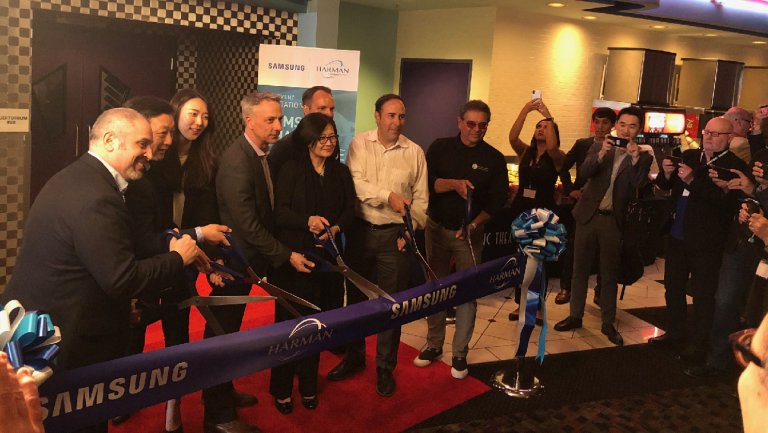 The first LED cinema screen in the U.S. was unveiled Friday at Pacific Theatres Winnetka in Chatsworth, California, a suburb of Los Angeles, where Warner Bros.’ Ready Player One will be the first movie offered on the new exhibition system, starting Saturday.
So far, the images that the screen produces have impressed many in Hollywood, including Jerome Dewhurst, senior color scientist at postproduction facility Roundabout Entertainment. He contends that the LED screen’s “pure black is much deeper" than other systems.
In order to prep movies for exhibition on the new LED screen in theaters, Samsung hopes to outfit postproduction facilities so that filmmakers can view their work on an LED display. The first color grading (digital intermediate) postproduction suite to offer a Samsung LED Screen in North America has now opened at Roundabout’s Santa Monica facility. It offers a 17-foot screen that can play 2K resolution, standard or high dynamic range, 7.1 surround sound and offers a Blackmagic DaVinci Resolve color grading system. Samsung hopes to add its screens in more post houses.
The new Samsung LED Cinema Screen in Chatsworth is 34 feet wide and 18 feet high, with all of the features of the smaller screen at Roundabout, but it can additionally support 4K resolution.
Ready Player One was screened on the Samsung system at 24 frames per second, the standard in cinema. But the tech manufacturer contends that it’s working to get the system up to a high frame rate of 60 frames per second.
Harman’s cinema solutions manager Dan Saenz explained that the new configuration places the front speaker directly above the screen and incorporates some filtering technology, designed to make it appear as though the sound was coming from the screen; and it places an additional speaker in front that bounces high frequency sounds off the screen and into the audience, also aimed at creating the sonic experience of a traditional theater.
Still, the biggest hurdle to a rollout could come down to the cost. Samsung said the cost of a screen could run anywhere from $500,000 to $800,000, a hefty price for a theater owner. Pete Lude, chief technology officer of engineering firm Mission Rock Digital, estimates that in comparison, top-of-the-line laser projectors generally cost between $150,000 to $300,000.
See the full story here: https://www.hollywoodreporter.com/behind-screen/how-new-led-cinema-screen-could-change-filmmaking-moviegoing-1104745