Don’t break up big tech — regulate data access, says EU antitrust chief
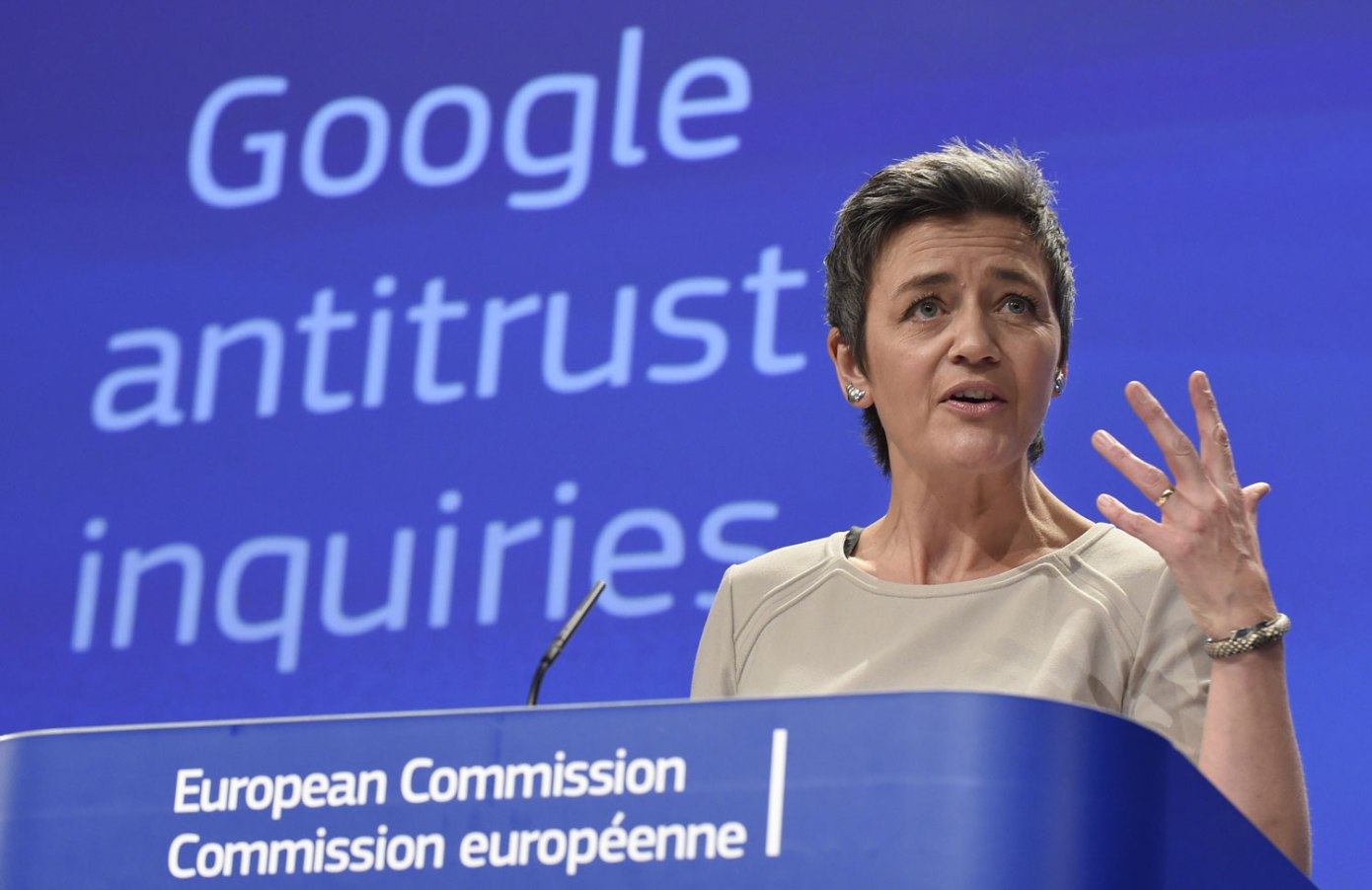 “Because I still find that it’s quite tricky to understand what it is that you accept when you accept your terms and conditions. And I think it would be great if we as citizens could really say ‘oh this is what I am signing up to and I’m perfectly happy with that’.”
Breaking up tech giants should be a measure of last resort, the European Union’s competition commissioner, Margrethe Vestager, has suggested.
“To break up a company, to break up private property would be very far reaching and you would need to have a very strong case that it would produce better results for consumers in the marketplace than what you could do with more mainstream tools,” she warned this weekend, speaking in a SXSW interview with Recode’s Kara Swisher. “We’re dealing with private property. Businesses that are built and invested in and become successful because of their innovation.”
Vestager has built a reputation for being feared by tech giants, thanks to a number of major (and often expensive) interventions since she took up the Commission antitrust brief in 2014, with still one big outstanding investigation hanging over Google.
But while opposition politicians in many Western markets — including high profile would-be U.S. presidential candidates — are now competing on sounding tough on tech, the European commissioner advocates taking a scalpel to data streams rather than wielding a break-up hammer to smash market-skewing tech giants.
The commissioner has spoken up before about regulating access to data as a more interesting option for controlling digital giants vs breaking them up.
And some European regulators appear to be moving in that direction already. Such the German Federal Cartel Office (FCO) which last month announced a decision against Facebook which aims to limit how it can use data from its own services. The FCO’s move has been couched as akin to an internal break up of the company, at the data level, without the tech giant having to be forced to separate and sell off business units like Instagram and WhatsApp.
It’s perhaps not surprising, therefore, that Facebook founder Mark Zuckerberg announced a massive plan to merge all three services at the technical level just last week — billing the switch to encrypted content but merged metadata as a ‘pro-privacy’ move, while clearly also intending to restructure his empire in a way that works against regulatory interventions that separate and control internal data flows at the product level.
Asked for her worst case scenario for tech 10 years hence, she said it would be to have “all of the technology but none of the societal positive oversight and direction”.
On the flip side, the best case would be for legislators to be “willing to take sufficient steps in taxation and in regulating access to data and fairness in the marketplace”.
“We would also need to see technology develop to have new players,” she emphasized. “Because we still need to see what will happen with quantum computing, what will happen with blockchain, what other uses are there for all if that new technology. Because I still think that it holds a lot of promise. But only if our democracy will give it direction. Then you will have a positive outcome.”
See the full story here: https://techcrunch.com/2019/03/11/dont-break-up-big-tech-regulate-data-access-says-eu-antitrust-chief/