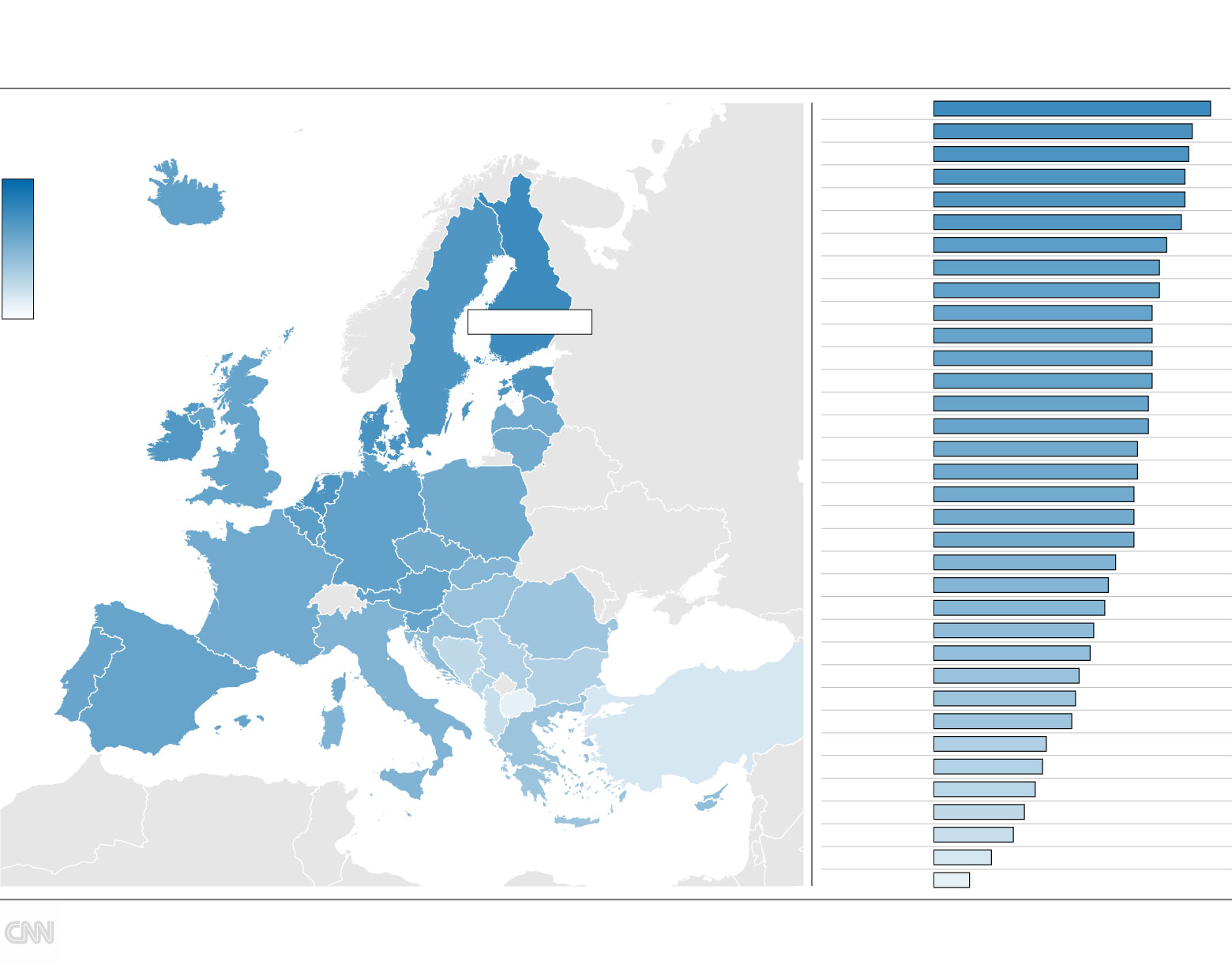
Finland is winning the war on fake news. What it’s learned may be crucial to Western democracy
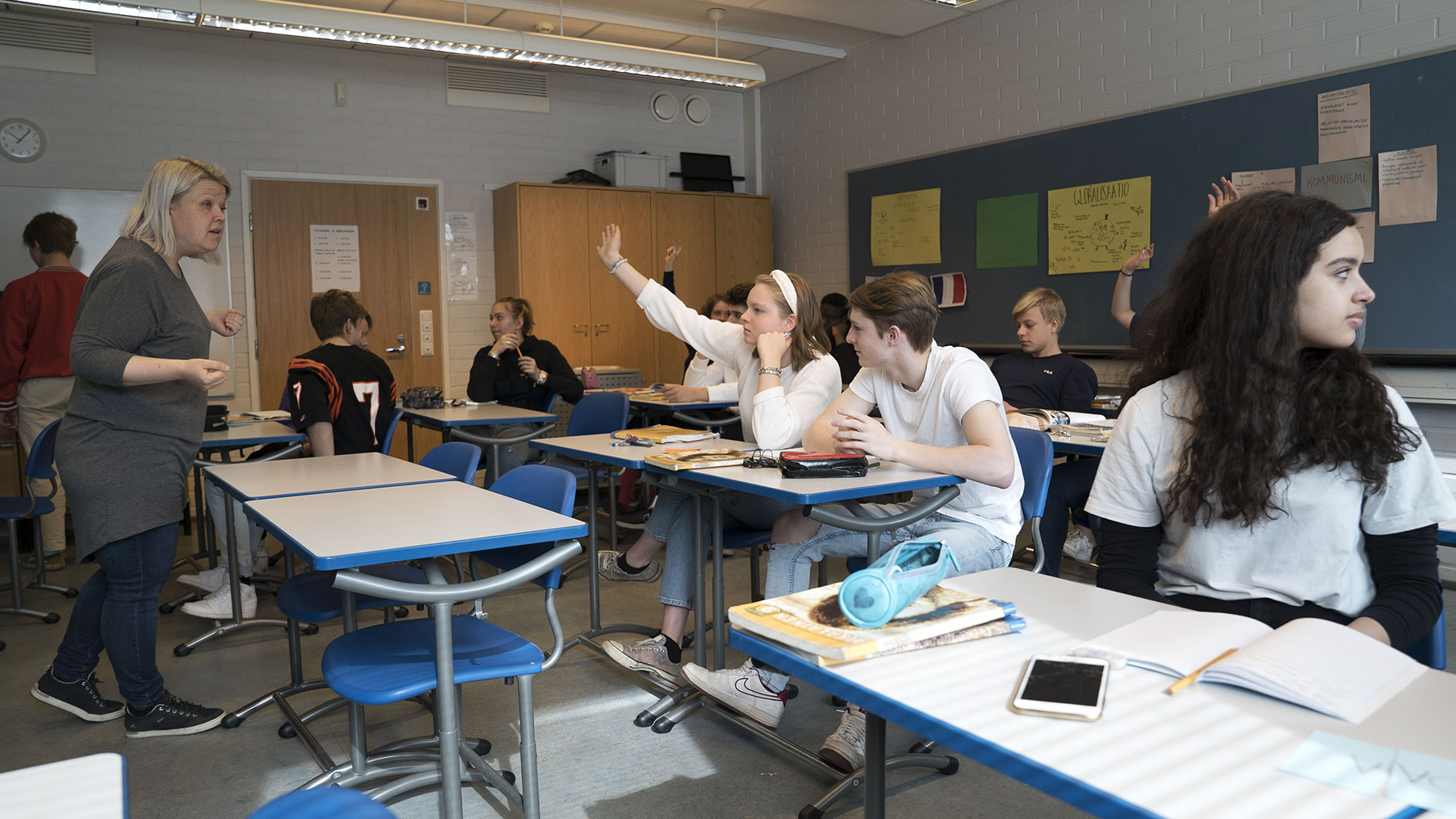 Her class is the embodiment of Finland’s critical thinking curriculum, which was revised in 2016 to prioritize the skills students need to spot the sort of disinformation that has clouded recent election campaigns in the US and across Europe.
“What we want our students to do is … before they like or share in the social media they think twice – who has written this? Where has it been published? Can I find the same information from another source?” Kari Kivinen, director of Helsinki French-Finnish School and former secretary-general of the European Schools, told CNN.
The ‘superpower’ of being Finnish
It may be difficult to export democracy, but it is easy to import experts, which is precisely what Finland did in 2016 to combat what it saw as a rise in disinformation emanating from accounts linked to its neighbor to the east.
Polluting the internet?
But some argue that simply teaching media literacy and critical thinking isn’t enough — more must be done on the part of social media companies to stop the spread of disinformation.
“Facebook, Twitter, Google/YouTube … who are enablers of Russian trolls … they really should be regulated,” said Jessikka Aro, a journalist with Finland’s public broadcaster YLE, who has faced a barrage of abuse for her work investigating Russian interference, long before it was linked to the 2016 US elections.
A never-ending game
Perhaps the biggest sign that Finland is winning the war on fake news is the fact that other countries are seeking to copy its blueprint. Representatives from a slew of EU states, along with Singapore, have come to learn from Finland’s approach to the problem.