An AI Pioneer Wants His Algorithms to Understand the ‘Why’
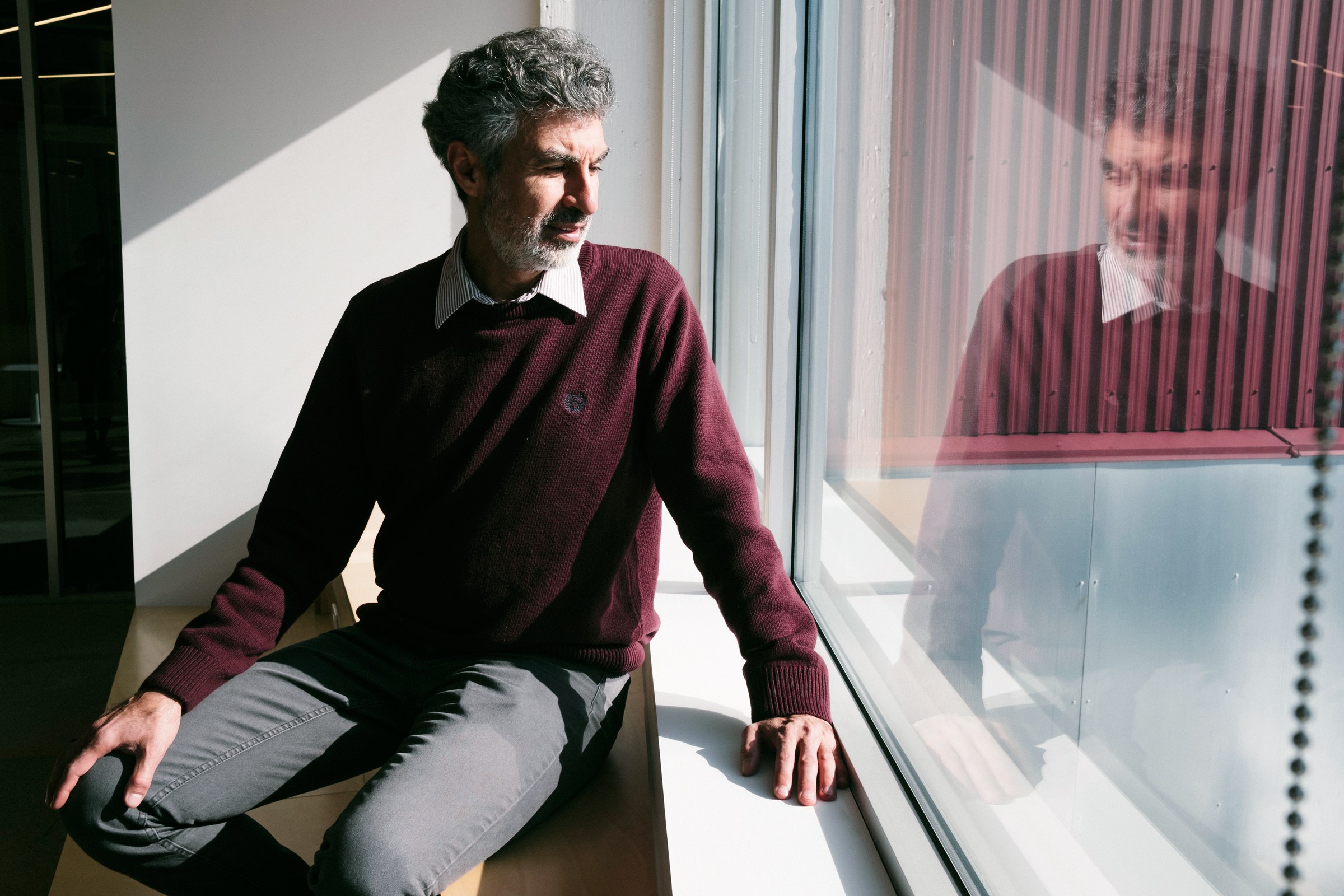 In March, Yoshua Bengio received a share of the Turing Award, the highest accolade in computer science, for contributions to the development of deep learning—the technique that triggered a renaissance in artificial intelligence, leading to advances in self-driving cars, real-time speech translation, and facial recognition.
Now, Bengio says deep learning needs to be fixed. He believes it won’t realize its full potential, and won’t deliver a true AI revolution, until it can go beyond pattern recognition and learn more about cause and effect. In other words, he says, deep learning needs to start asking why things happen.
“It’s a big thing to integrate [causality] into AI,” Bengio says. “Current approaches to machine learning assume that the trained AI system will be applied on the same kind of data as the training data. In real life it is often not the case.”
At his research lab, Bengio is working on a version of deep learning capable of recognizing simple cause-and-effect relationships. He and colleagues recently posted a research paperoutlining the approach.
Bengio has already transformed AI once. Over the past several decades, he helped develop the ideas and engineering techniques that unleashed the potential of deep learning, together with this year’s other Turing Award recipients: Geoffrey Hinton, of the University of Toronto and Google, and Yann LeCun, who works at NYU and Facebook.
See the full story here: https://www.wired.com/story/ai-pioneer-algorithms-understand-why/