MIT Taught Self-Driving Cars to See Around Corners with Shadows
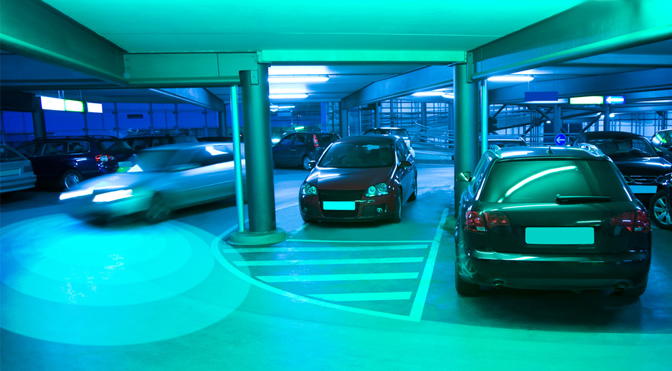 The new MIT system is simpler because it just looks for subtle changes in light and shadow on the ground that indicate another vehicle is approaching.
This work comes from MIT’s famous Computer Science and Artificial Intelligence Laboratory (CSAIL). The team thinks this approach to monitoring the environment around a vehicle could be the equivalent of x-ray vision for cars. Whereas the LIDAR used for object mapping in current self-driving cars has high resolution and collects more data than a visible light camera, it can only objects that are directly visible. A shadow, however, might be enough to trim as much as half a second off the car’s reactions. That could be the difference between a major accident and a near miss.
ShadowCam uses a sequence of four video frames from a camera pointed at the region just ahead of the car.
See the full story here: https://www.extremetech.com/extreme/301073-mit-taught-self-driving-cars-to-see-around-corners-with-shadows