Hour One wants synthetic AI characters to be your digital avatars
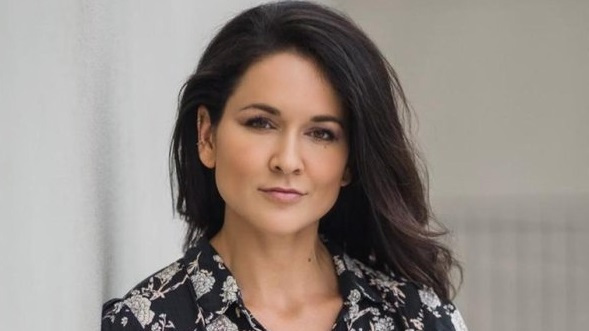 Hour One also started coming out of stealth at the same time with a plan to expand business-to-business human communication. The company showcased its “real or synthetic” likeness test at CES 2020, challenging people to distinguish between real and synthetic characters generated by its AI.
Hour One is using deep learning and generative adversarial neural networks to make its video characters. The company says it can do this in a highly scalable and cost-effective way. They’re supposed to look good, and the image on top of this story looks realistic.
Hour One is working with companies in the ecommerce, education, automotive, communication, and enterprise sectors, with expanded industry applications expected throughout 2020. The company has about 100 avatars today.
Oren Aharon and Lior Hakim created Hour One in 2019 with a mission of driving the economy of the digital workforce powered by synthetic characters of real-life people. They can use blockchain technology to verify the identity of a digital character and who owns it. If they’re altered or used for “deep fakes,” Hour One will be able to mark them as altered and notify people what has happened. The team has eight people.
The pitch is that the lower cost per character use means that companies will be able to engage more with their customers on every level, from digital receptionists to friendly salespeople.
See the full story here: https://venturebeat.com/2020/08/18/hour-one-wants-synthetic-ai-characters-to-be-your-digital-avatars/