Conferences After Covid Will Be Shorter—and Smarter
Last year’s event, which took place in New York, drew 1,000 attendees; this year, 6,000 people signed up. “Since we didn’t have the cost associated with setting up a whole venue, we had the opportunity to open it up to people; you don’t have to travel, you don’t have to pay for a hotel; that helped us grow quickly,” says Arueyingho, who’s based in Houston.
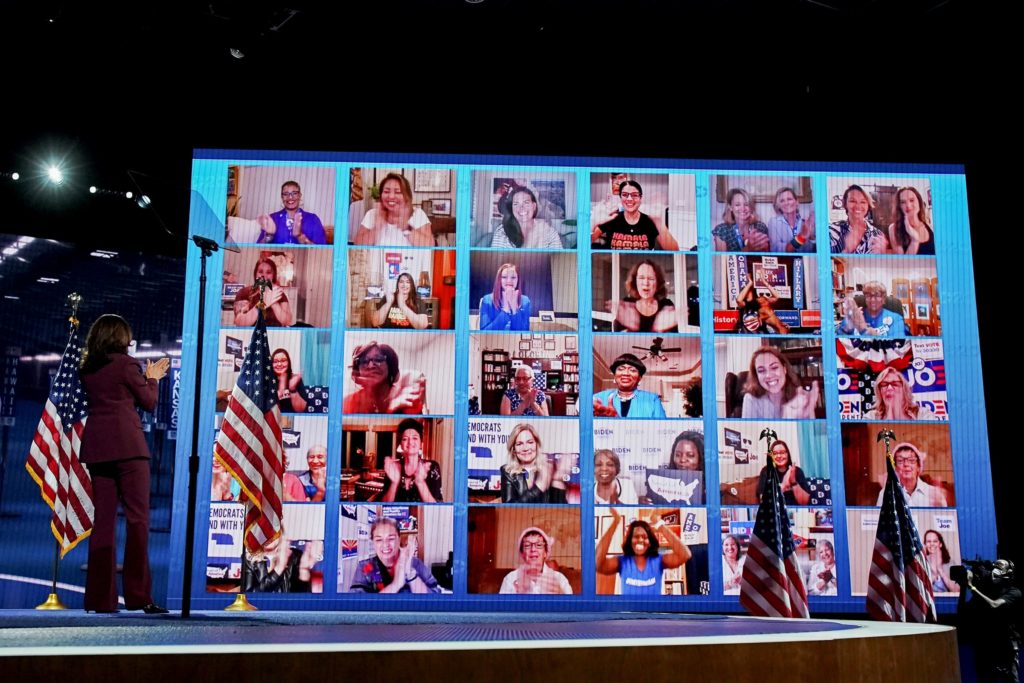
Brevity Is the Soul of Zoom
But there’s one thing organizers didn’t need AI to tell them: Zoom fatigue is real. “People don’t want to sit in front of their computer for more than 30 or 40 minutes; that’s why TED talks are so successful,”
“The other day I shared a statistic with a client: They had 500 attendees and 398 unique chat posts,” says Edwards. That format enables anyone—not just panelists—to answer questions that arise in a chat, and it encourages participation among introverts who are disinclined to walk up to a microphone in a room full of people, she says.
The Party Problem
The Investigative Reporters & Editors conference in September included a trivia happy hour, a Dutch baby cooking demonstration, and a pet parade, complete with slides introducing each animal companion during an unsurprisingly chaotic live Zoom; the event drew more than 150 people, including one participant who said she’d woken up at 5 am so she could tune in from Kyrgyzstan.
See the full story here: https://www.wired.com/story/what-conferences-will-look-like-post-covid/