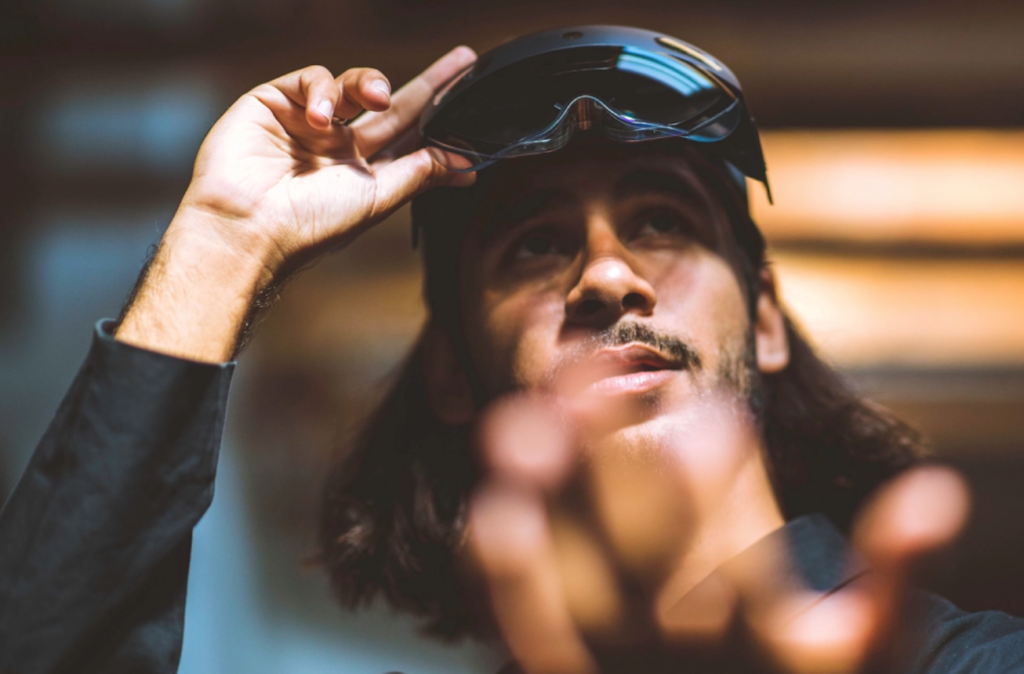
Asad J. Malik, the Hologram-Loving Virtual-Reality Entrepreneur — Future 25
Malik’s latest venture is an interactive hologram app called Jadu, a marriage of music and technology that allows fans to interact with their favorite artists to make clips that can be shared on short-form video apps like TikTok. Malik’s company has made dancing holograms for Pussy Riot, Vic Mensa, and TikToker Josh Richards; most notably, he recently created a nonchalantly speaking, bright red, satanic-themed Lil Nas X in a viral teaser for the rapper’s hit “Montero (Call Me By Your Name)” and its much-discussed music video.
See the full story here: https://www.rollingstone.com/pro/features/vr-asad-malik-future-25-1179555/
Welcome to China’s new neighbourhood stores
[PhilNote: Retail in a post-Starbucks, post-Amazon world. Personalized localized neighborhood store experiences for major brands sounds a bit attractive, and a bit of a good application for AI and surveillance capitalism.]
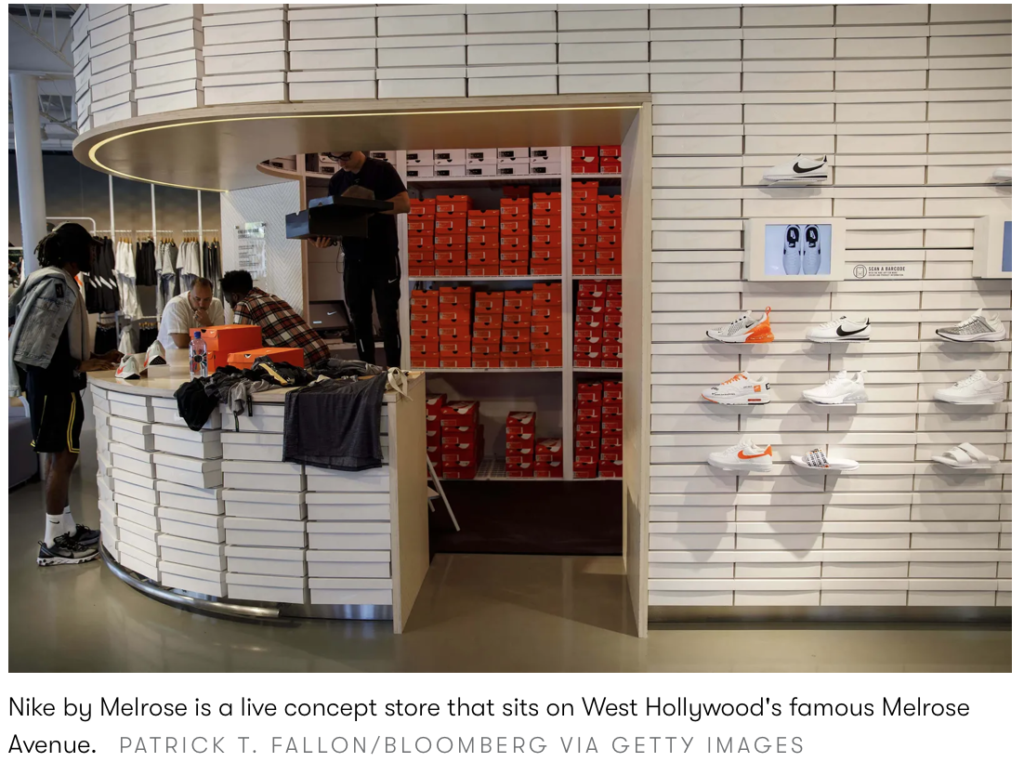
The template first appeared outside China. In 2018, Nike launched Nike by Melrose, the first Nike Live experience store, on Melrose Avenue in Los Angeles. Created as a hub for members of the brand’s NikePlus running community, it has the energy of a pop-up and an experimental edge (including automatic vending machines). The store arranges goods according to the shopping preferences of local consumers, adjusting them regularly to respond to purchase data.
In 2020, Nike opened similar neighbourhood experience stores in Taikoo Hui in Shanghai and Sanlitun in Beijing. Both stores are warm and bright with product displays that are responsive to consumer purchase data, fitting rooms with natural light, a yoga room and a gym. Consumers can immerse themselves in the intimate, relaxing, friendly vibe. The stores also have a neighbourhood community sharing area, a member-exclusive Unlock Box and other in-store special services and products.
Shanghai’s new neighbourhood stores
Now, this trend is turning local. Chinese online women’s fashion retailer Short Sentence opened its first boutique on Shanghai’s Anfu Road in January, seeking to create a similar atmosphere. In April, the store held a first Next-Door-Neighbour gathering, hosted by representatives from the shop’s retail design team AIM, urban culture platform SandwiChina and guests from the community who shared stories about the store space, life and history in the Anfu Road neighbourhood.
...
Retail freehold owners and developers can play an important role in encouraging neighbourhood shops in commercial districts. Several stores on Anfu Road are owned by the Shanghai Dramatic Arts Center, while Nio House and the Nike experience store in Shanghai’s HKRI Taikoo Hui are owned by Swire Properties. Similarly, enlightened retail developers around the world are recognising the value of small retail units with a more neighbourly feel. Watch them flourish.
See the full story here: https://www.voguebusiness.com/consumers/welcome-to-chinas-new-neighbourhood-stores
Space Force Launches Augmented Reality Enabled NFTs
[PhilNote: Travis Cloyd ,WorldwideXR CEO and NFT Executive Producer, owns the rights to many dead celebrities including James Dean.]
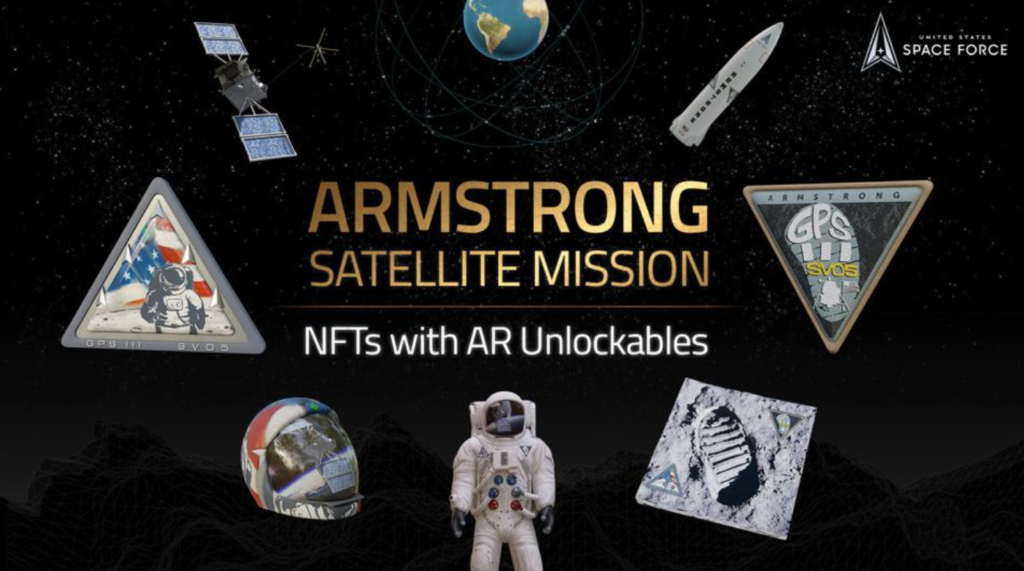
For this ground-breaking initiative, Space Force partnered with digital artist companies WorldwideXR and VueXR, to release their own NFTs with augmented reality.
The NFT collection, called “Armstrong Satellite NFT Launch with Space Force,” is the first USSF Non-Fungible Token (NFT) collection. It included a limited edition digital twin NFT of the GPS III SV05 “ARMSTRONG” satellite and GPS III SV05 “ARMSTRONG” Coin and Patch NFTs modeled after the commemorative coins and patches typically reserved for USSF mission team members. The NFTs are created to scale and accessible to its owner via the VueXR app available on iOS and Android.
NFTs And Crypto As A Way To Support Veterans
In order to get an “ARMSTRONG” NFT you have to have a wallet on the blockchain and cryptocurrency to fill that wallet. In March, 2021 the Biden Administration took on the challenges of cryptocurrency and filing to the IRS in The American Families Plan. The plan admits that cryptocurrency constitutes “a relatively small portion of business income today, cryptocurrency transactions are likely to rise in importance in the next decade…” Government agencies signal a future of blockchain related activities as they develop guidance and reporting procedures around crypto. The “ARMSTRONG” NFT collection supports the U.S. Military and its veterans but it is not officially connected to or endorsed by the U.S. Department of Defense or any of its branches.
See the full story here: https://www.forbes.com/sites/cathyhackl/2021/06/14/space-force-launches-augmented-reality-enabled-nfts/?sh=1b30b93d7645
From NFTs And Virtual Reality To HBCU Partnerships, Inside Verizon’s Bid To Win Over Gamers
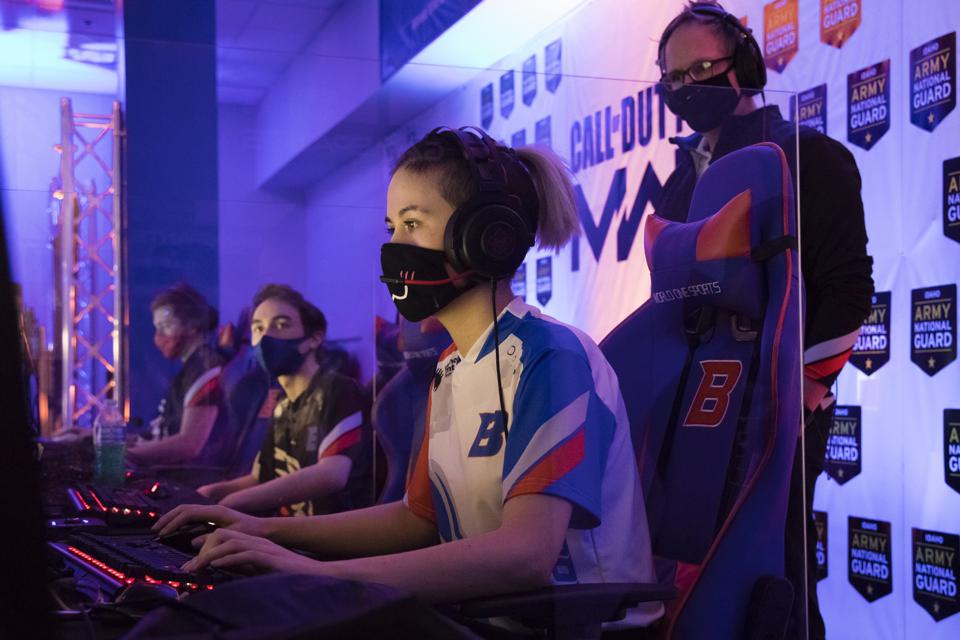
“I’m fascinated by the whole esports dynamic and community for a few reasons,” Verizon Chief Marketing Officer Diego Scotti tells Forbes. “One, the level of engagement for the games and the competition are through the roof. Second, the engagement and the reach that the players have with their fans is incredible.”
Verizon is also getting into world of non-fungible tokens (NFTs) through a new partnership with Dignitas. Starting today, 100 fans who engage with the organization’s social media channels will be chosen to receive an NFT hologram of the Dignitas’s Women’s FPS team that can be viewed in augmented reality. The AR NFTs—which will be digitally signed by the players later this month—will let fans pose for photos next to players’ holograms. However, unlike other NFTs that sometimes sell for hundreds of thousands or millions of dollars, Verizon’s NFTs on its beta NFT platform can’t be traded or sold.
See the full story here: https://www.forbes.com/sites/martyswant/2021/06/14/from-nfts-and-virtual-reality-to-hbcu-partnerships-inside-verizons-bid-to-win-over-gamers/?sh=311315b85ccd
Olfactory Virtual Realities Show Promise for Mental Health Practices and Integrative Care
Tomasi and a team of psychotherapists at UVMMC’s Inpatient Psychiatry Department collaborated with OVR Technology, a Burlington, Vermont-based company that specializes in olfactory virtual reality in this context, to design a relaxing, virtual forest and campsite that could be independently, fully experienced in an area of just 100-square-feet. Using software, scentware and hardware supplied by OVR Technology, the team created a simulation complete with a virtual tent, picnic table, fire pit, logs and other objects to touch, and aromas of fresh bacon and toasted marshmallows.
Participants — all inpatient psychiatry patients that voluntary participated in the study — were immersed in the forest camp environment for 8–12-minutes, in weekly OVR sessions that coincided with their standard clinical treatment plans. Following the OVR sessions, participants reported significant and immediate improvements to their anxiety, stress and pain levels that lasted up to three hours after a session.
Among the most dramatic improvements reported by participants were reduced anxiety levels. Asked throughout the sessions to rate their anxiety levels on a scale of 1 to 10 (with 1 being the lowest and 10 the highest), nearly half the participants (45.6%) rated their anxiety levels prior to OVR as either a 9 or 10. Roughly the same percent of participants (44.6%) rated their anxiety levels immediately after the session as either a 1 or 2. Between one to three hours later, half the participants (50%) rated their anxiety levels as either a 2 or 3. In all, participants’ anxiety dropped a median of 5 levels from start to finish through the process.
See the full story here: https://www.newswise.com/articles/olfactory-virtual-realities-show-promise-for-mental-health-practices-and-integrative-care

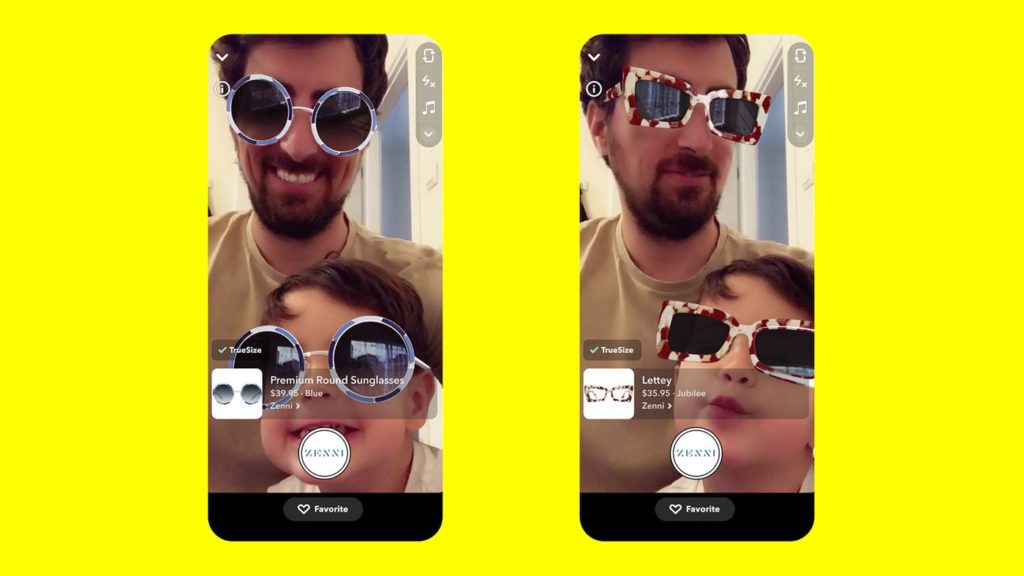
Apple and Snap Pick Up Where Pokemon Go Left Off
Advances in technology are laying the foundation for augmented reality to disrupt markets beyond gaming to social media and commerce.
Several industry leaders are making large bets on the technology, including building dedicated AR headsets. Last month, Snap unveiled its latest Spectacles prototype and bought AR display component supplier WaveOptics for more than $500 million. Facebook Inc. has more than 6,000 employees working on its virtual-reality and augmented-reality projects. And Apple Inc. is said to be developing a virtual-reality headset with some AR functionality for a possible release in 2022.
On the back of its ownership of the widely-used Unreal programming engine, Epic has unique insight into budding trends in the gaming industry. So it was telling when Apple’s counsel cited an internal board presentation in which the Fortnite maker indicated the need to act quickly before AR took off and further entrenched the App Store’s high fee structure. The fact that Epic then sued the world’s most powerful company speaks to how seriously Epic is taking AR’s imminent rise.
Pokemon Go was based on rudimentary AR with basic, cartoon-like overlays. Imagine what’s possible with newer technologies. E-commerce software company Shopify Inc. said last September that product pages with AR experiences led to a 94% higher conversion rate compared to traditional listings. I expect businesses will figure out more effective ways to reach customers as they get accustomed to the latest tools.
See the full story here: https://www.bloomberg.com/opinion/articles/2021-06-09/apple-snap-take-augmented-reality-to-next-level-after-pokemon-go