How to Hold a Virtual Gala — Video Production Gurus Reveal the Tricks of the Trade
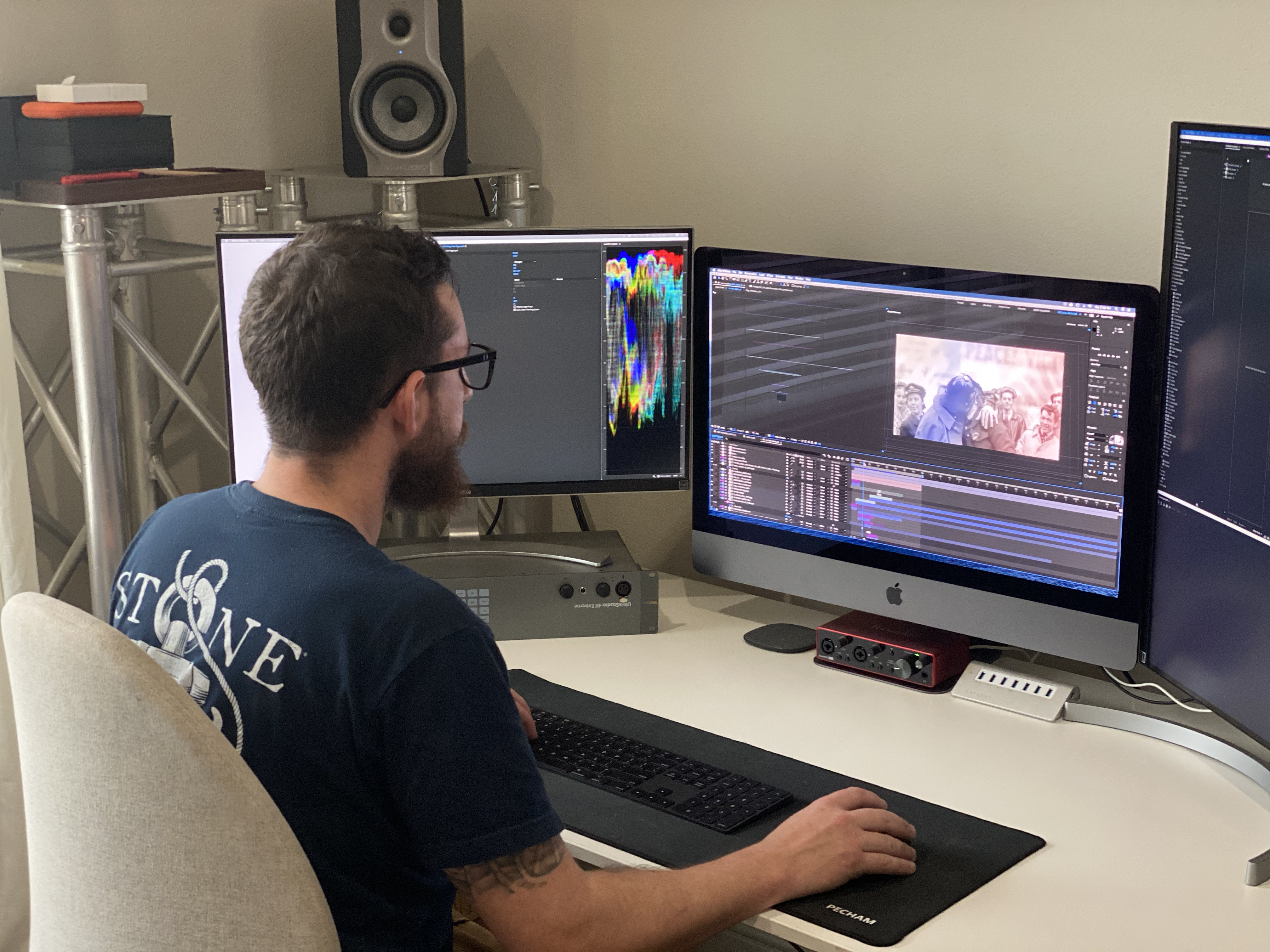 PC: What are your pointers to note when going virtual?
TS: One criticism of virtual events is that they can be less personal than live events. That does not have to be the case and often occurs more when a virtual event is an afterthought or done as an alternative method rather than an intentional one. It is okay for virtual experiences to be authentic and organic; they just need to be well-produced with quality content to be effective.
There are three things that have the most impact on streamed or digital engagement: (1) quality content, (2) production value, and (3) authentic human connection. The goal is to produce an online event your audience will actually watch and stay engaged. So, consider a prerecorded production.
...
Consider alternative sponsorship opportunities. Virtual events open up a lot of additional revenue streams and sponsorship opportunities that can give even greater exposure and impact to larger audiences than a live attended event. There are virtual waiting rooms and landing pages that can be used for sponsor recognition, as well as closing credits. There are also a lot of great fundraising tools out there that can be integrated into virtual experiences such as Better Unite, One Cause, and Text 2 Give.
...
See the full story here; https://www.papercitymag.com/society/virtual-gala-best-practices-holding-party-online/?fbclid=IwAR2jlNW_BVosP395rgF170oXqoLek6khsd5biP7L6lRCD3szcv4EnytB9QQ
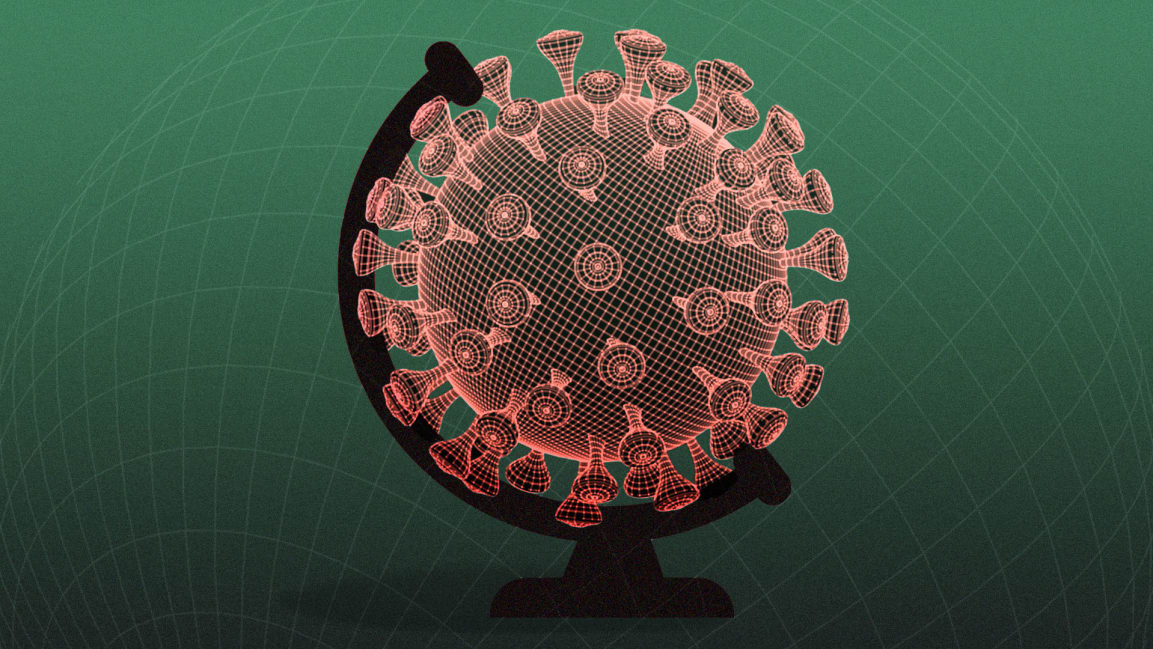
All the things COVID-19 will change forever, according to 30 top experts
Tech exec, VCs, and analysts—from WhatsApp’s Will Cathcart to AOL cofounder Steve Case—on the pandemic’s lasting impact on how we live, work, and think.
 See the full story here: https://www.fastcompany.com/90486053/all-the-things-covid-19-will-change-forever-according-to-30-top-experts
Emerging consumer trends and their future in a post-pandemic world
 Shopstreaming
VR Economy
Virtual Companions
Ambient Wellness and Cleanliness
Stella McCartney opened a flagship store in London that features an in-house air filtration system. The fashion designer's store at Bond Street has a sustainable air solution that removes 95% of airborne pollutants. Coming out of the pandemic, people will be more concerned about the air they breathe, the things they touch and the water they drink. Hence, providers will need to think and invest accordingly in initiatives like Stella's in order to make sure that the stores are clean and the surrounding physical components of these have a positive impact on consumers' physical and mental well-being.
A-commerce
Open-source Solutions
Coordinated Development
Virtual Status
See the full story here: https://www.thedailystar.net/toggle/news/emerging-consumer-trends-and-their-future-post-pandemic-world-1898383
These pop songs were written by OpenAI’s deep-learning algorithm
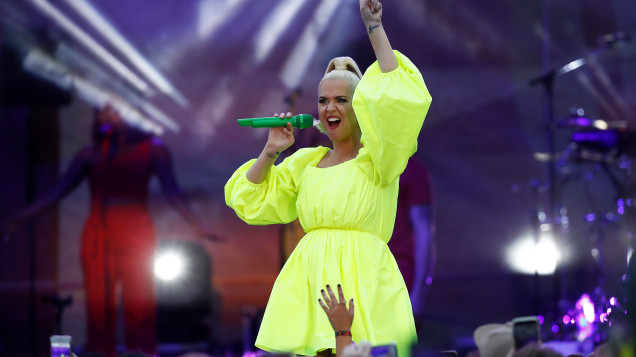
BRIGHT, AUSTRALIA - MARCH 11: Katy Perry performs on March 11, 2020 in Bright, Australia. The free Fight On concert was held for for firefighters and communities recently affected by the devastating bushfires in Victoria. (Photo by Daniel Pockett/Getty Images)
The news: In a fresh spin on manufactured pop, OpenAI has released a neural network called Jukebox that can generate catchy songs in a variety of different styles, from teenybop and country to hip-hop and heavy metal. It even sings—sort of.
How it works: Give it a genre, an artist, and lyrics, and Jukebox will produce a passable pastiche in the style of well-known performers, such as Katy Perry, Elvis Presley or Nas. You can also give it the first few seconds of a song and it will autocomplete the rest.
Chatbot sing-alongs: To be honest, it’s not quite there yet. You will notice that the results, while technically impressive, are pretty deep in the uncanny valley. But while we are still a long way from artificial general intelligence (OpenAI’s stated goal), Jukebox shows once again just how good neural networks are getting at imitating humans, blurring the line between what’s real and what’s not.
See the full story here: https://www.technologyreview.com/2020/05/01/1000942/pop-songs-katy-perry-elvis-openai-neural-network-deep-learning-algorithm/
The World’s Biggest Social Virtual Reality Gathering Is Happening Right Now
Virtual Market 4, or V-Ket 4 for short, is a Japanese expo that spans 36 separate worlds contained within the VRChat ecosystem. Its primary purpose is to sell virtual apparel and avatars, like if shopping for a new “skin” in Fortnite took place inside a sprawling virtual mall. Given the scale of the event, it’s also drawn the attention from big brands to create an almost CES-like feel.
In concept, V-Ket 4 is one of the more remarkable activities I’ve seen during my time writing about VR, but in practice we’re clearly far off from a truly rich social experience in VR.

The most astonishing aspect is the scope and scale of the event. According to the official press release, V-Ket 3 hosted more than 710,000 people, and this time more than a million visitors are expected to participate over the course of 10 days (making it the largest social VR gathering ever). 40 companies, many of them well-known multinationals including Audi, Netflix, Panasonic, and Sega, will be exhibitors as well. ... I also do not know the number of people who will attend in 2D, since VRChat also works on desktop without a VR device.
V-Ket 4 is one of the most stunning developments I’ve seen, and they are certainly making good on their stated mission of “developing and enriching the virtual space.” For us westerners, it’s also a reminder that development of the technologies doesn’t occur at a uniform speed across various geographies. When I visited China and Japan a few years ago, it was already clear that consumer adoption of virtual reality was far beyond what we currently see in the West.
See the full story here: https://singularityhub.com/2020/04/30/the-worlds-biggest-social-virtual-reality-gathering-is-happening-right-now/
MIT develops machine-washable sensors that embed in clothing for constant vital sign monitoring
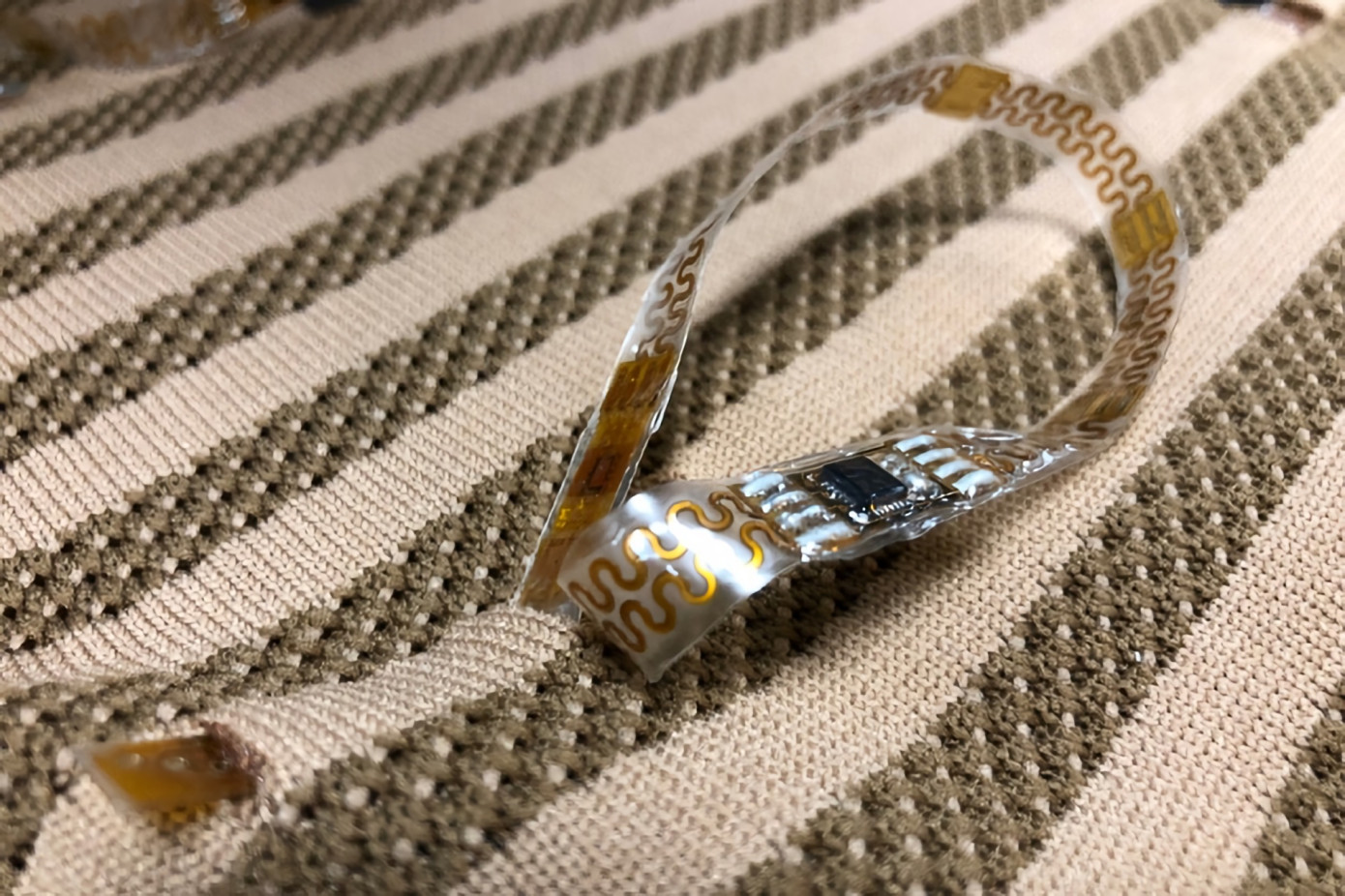 MIT has developed a new type of lightweight sensor that can be integrated into flexible fabrics, including the kinds of polyesters often used in athletic wear, to provide constant monitoring of vital signs including body temperature, heart rate and respiratory rate. These sensors are machine-washable and can be integrated into clothing that appears totally normal on the outside, and they can also be removed and re-used in different garments.
... its potential here on Earth has much more widespread benefit potential, particularly in the era of COVID-19 and the healthcare landscape that will result even once it’s more under control.
...Rather than relying on updates either in-person, or even via telemedicine, these individuals could provide a steady stream of biometric data to the healthcare professionals monitoring their treatment. It could automate the process to an extent that makes it easier for both individual and their caregivers to keep on top of the situation in real-time.
See the full story here: https://techcrunch.com/2020/04/23/mit-develops-machine-washable-sensors-that-embed-in-clothing-for-constant-vital-sign-monitoring/
Ruling: Patents can only be issued to human inventors, and not AIs.
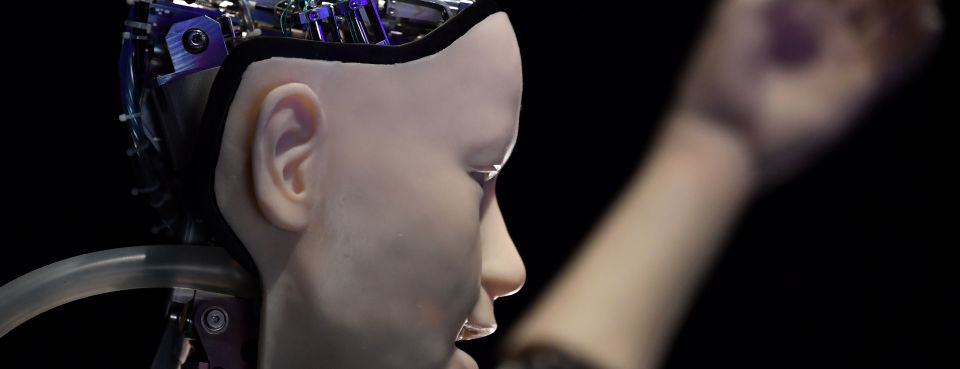 The U.S. Patent and Trademark Office just issued its decision that only “natural persons" - not AIs - can be named as inventors, refusing two patents for an AI that created an emergency flashing light and shape-shifting food container. The inventions come from physicist and AI researcher Stephen Thaler's "DABUS,"which won't get its name on the patents. The office argues that patent law refers to inventors in humanlike ways, which can't apply to machines.
- The European Patent Office (EPO) and UK’s Intellectual Property Office (IPO) have issued similar rulings turning down Thaler's request and patents.
- The Artificial Inventor Project, which supports Thaler, argues that it could become impossible to patent new innovations if no humans were involved in the work closely enough to take credit.
- The issue of non-human ownership over properties was brought up when PETA argued that a macaque monkey could own the rights to selfies it took; the case was ultimately settled.
See the full story here: https://news.bloomberglaw.com/ip-law/ai-cant-be-named-inventor-on-patent-agency-says