Creativity and AI: The Next Step
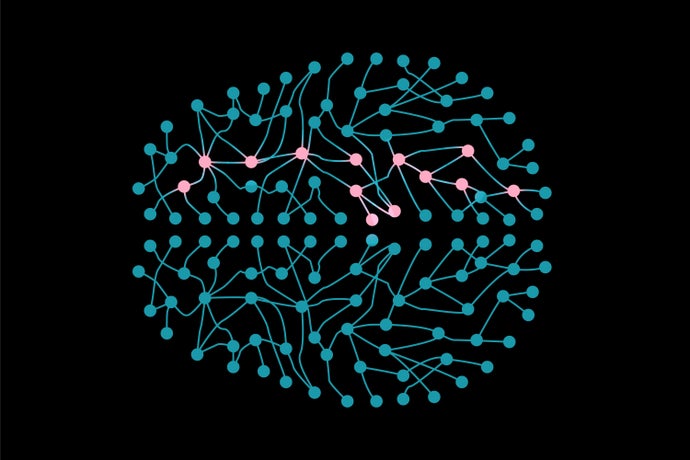 These are the two main sorts of AI around at present. Symbolic machines like Deep Blue are programmed to reason as humans do, working through a series of logical steps to solve specific problems. An example is a medical diagnosis system in which a machine deduces a patient’s illness from data by working through a decision tree of possibilities.
Artificial neural networks like AlphaGo Zero are loosely inspired by the wiring of the neurons in the human brain and need far less human input. Their forte is learning, which they do by analyzing huge amounts of input data or rules such as the rules of chess or Gogo. They have had notable success in recognizing faces and patterns in data and also power driverless cars. The big problem is that scientists don’t know as yet why they work as they do.
But it’s the art, literature and music that the two systems create that really points up the difference between them. Symbolic machines can create highly interesting work, having been fed enormous amounts of material and programmed to do so. Far more exciting are artificial neural networks, which actually teach themselves and which can therefore be said to be more truly creative.
All of these generate far more challenging and difficult works—the machine’s idea of art, not ours.
...artificial neural networks can spark human ingenuity. They can introduce us to new ideas and boost our own creativity.
What is needed is to develop a machine that includes the best features of both symbolic machines and artificial neural networks.
...combining the two systems could lead to more intelligent solutions and also to forms of art, literature and music which that are more accessible to human audiences while also being experimental, challenging, unpredictable and fun.
See the full story here: https://blogs.scientificamerican.com/observations/creativity-and-ai-the-next-step/
Three threats posed by deepfakes that technology won’t solve
 1) Problem: Deepfake detectors can’t tell us what should—and shouldn’t—be taken down
Idea: Better moderation
2) Problem: Deepfake-busting technology might not help the people who need protection most
Idea: Don't build anything without consulting those most affected
3) Problem: Deepfake detection is too late to help victims
Idea: New laws
For any such law to work in the US, it would ideally be at the federal level, not the state level. Because of a law called Section 230, platform companies aren’t legally responsible for hosting harmful third-party content unless it violates federal criminal law. If posting harmful videos became a crime, it would not only deter people from posting them; platforms like Facebook would have to work harder to keep them off. “These companies would not be able to raise Section 230 in defense,” says Franks. “They would have any number of defenses, but that particular avenue to them would be blocked.”
ELON MUSK’S AI PROJECT TO REPLICATE THE HUMAN BRAIN RECEIVES $1 BILLION FROM MICROSOFT
 Microsoft has invested $1 billion in the Elon Musk-founded artificial intelligence venture that plans to mimic the human brain using computers.
OpenAI said the investment would go towards its efforts of building artificial general intelligence (AGI) that can rival and surpass the cognitive capabilities of humans.
“An AGI working on a problem would be able to see connections across disciplines that no human could,” OpenAI CTO Greg Brockman wrote in a blog post announcing the investment.
“We want AGI to work with people to solve currently intractable multi-disciplinary problems, including global challenges such as climate change, affordable and high-quality healthcare, and personalised education.”
Since co-founding OpenAI three years ago, Mr Musk has since stepped back from the AI startup but remains vocal about the risks artificial intelligence poses to humanity, claiming its development poses a greater risk than nuclear weapons.
Sony looks to be adding an in-depth voice assistant to PlayStation consoles in the future
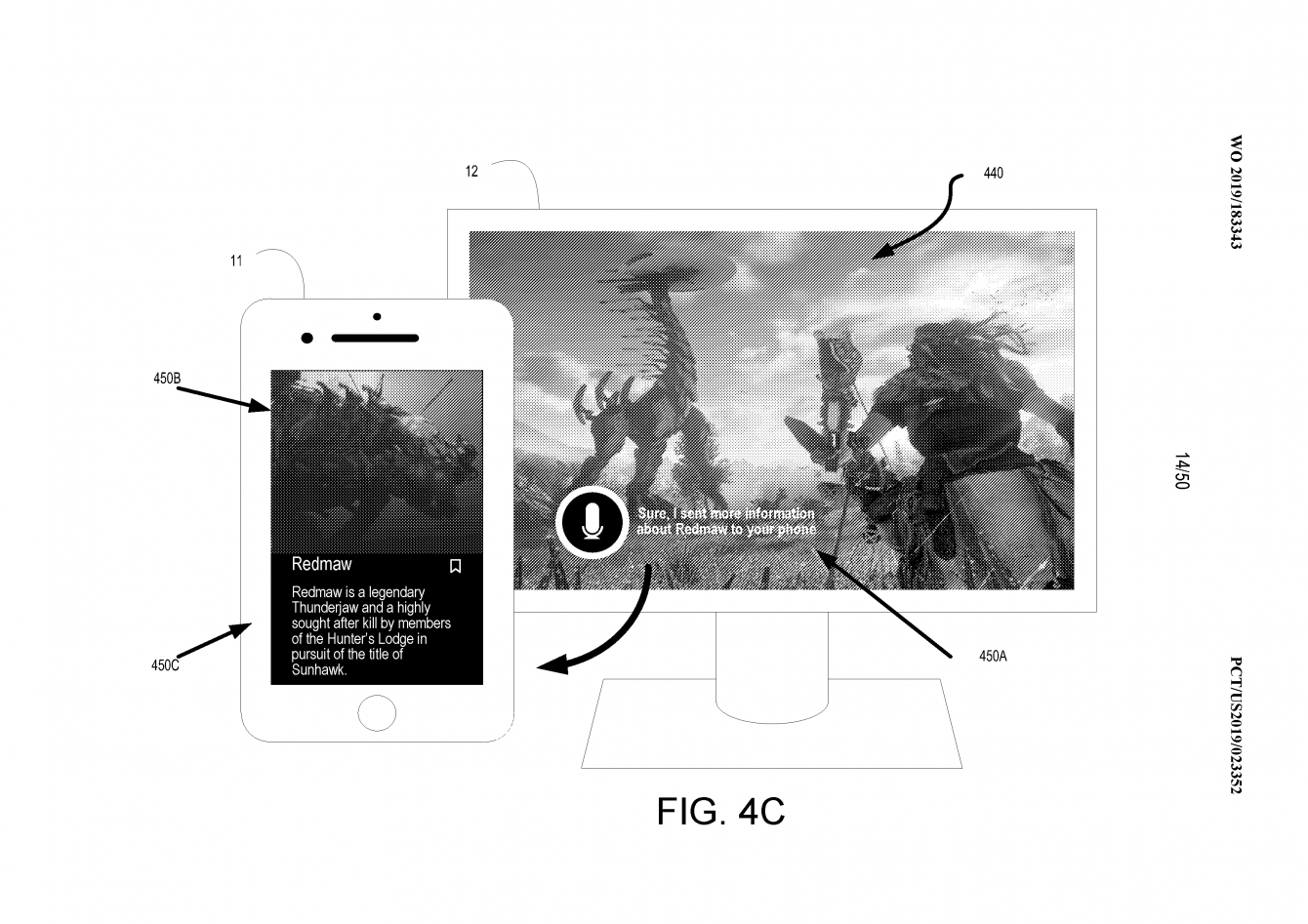 In the patent, it shows that players will be able to ask a variety of in-game inquiries. For example, in Horizon Zero Dawn if the player asks where the nearest health source is the assistant will show it via the game’s map. There are also pictures showing requests in Skyrim including how to fight the dragon Mimulnir, where to find a steel sword, and directions to Bleak Falls Barrow. The new PlayStation assistant will seemingly function off mobile devices where you can submit your commands by either typing or speaking.
When and if it is ever implemented this could potentially be a great accessibility option for PlayStation consumers. The PlayStation 4 already has voice recognition, but nothing as advanced and detailed as what Sony is apparently pursuing.
See the full story here: https://www.dualshockers.com/sony-filed-patent-voice-assistant/
Virtual reality cycling leads to less muscle pain, finds study
 The study, conducted by researchers from the University of Georgia, sought to build on previous research which found that undertaking exercise with the help of virtual reality helped patients, including people with chronic back pain, better manage their condition.
Doctoral student Carly Wender of the College of Education’s department of kinesiology, decided to investigate whether the use of virtual reality would likewise reduce pain experienced during exercise.
94 people participated in the study, all of them wearing a virtual reality headset while undertaking three 30-second sprints, with a four-minute recovery period in between.
Half of the subjects were shown a changing urban landscape to enable them to feel as though the were riding through a city. The rest were given a static picture of the same cityscape and asked to imagine that they were riding through it.
The former group experienced between 12 and 13 per cent less pain in their quadriceps during the second and third sprints compared to those who were shown the static picture.
Both groups achieved a similar level of cycling performance, meaning that relief from pain was not linked to potentially reduced cycling performance in the group shown the interactive cityscape.
See the full story here: https://road.cc/content/news/267023-virtual-reality-cycling-leads-less-muscle-pain-finds-study
Sony Invents an Augmented Reality Gaming Visor for PlayStation, Xbox and both Apple and Google Operating Systems
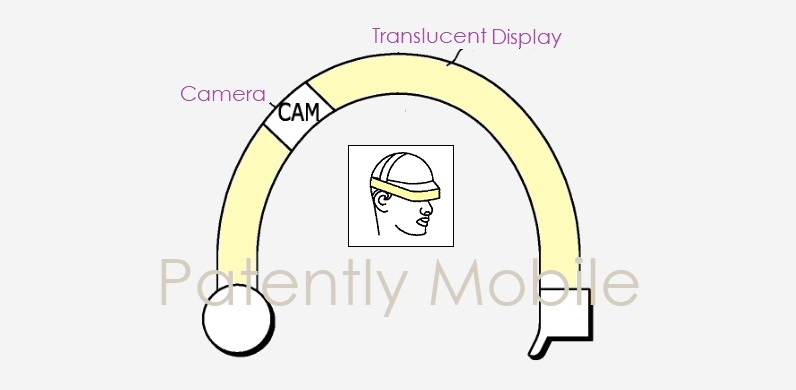 More specifically, Sony's system may also include game consoles made by Microsoft or Nintendo or other manufacturer virtual reality (VR) headsets, augmented reality (AR) headsets, portable televisions (e.g. smart TVs, Internet-enabled TVs), portable computers such as laptops and tablet computers, and other mobile devices including smart phones.
These client devices may operate with a variety of operating environments. For example, some of the client computers may employ, as examples, Linux operating systems, operating systems from Microsoft, or a Unix operating system, or operating systems produced by Apple Computer or Google.
Content appropriate for Heads-Up-Display (HUD) can be strategically extracted and displayed or superimposed over the primary viewing area through the use of a visor or display worn or positioned in front of the user, relieving the user from diverting their attention to other areas of the screen and creating a gameplay advantage for the user.