What are the challenges of designing virtual reality experiences?
 There are technical, physical and experiential challenges to designing virtual reality, augmented reality or mixed reality experiences.
The technical challenges are easier in that we know what a right answer looks like. The devices need to be smaller, lighter, wireless and higher resolution, as well as have a wider field of view, improved tracking, lower latency and so forth. That's all engineering. And, while it isn't easy, at least we know what the targets are.
Physical challengescenter around two main areas: exterior and interior comfort. Exterior comfort plays on some of the technical challenges: The gear needs to be lighter, not have wires and be comfortable enough for long-term use -- i.e., hours. At some point in the future, people will likely work in some form of augmented reality (AR) or virtual reality (VR), so eight-hours-a-day use needs to be viable.
Interior comfort refers to issues around motion sickness, cognitive and emotional overload, and possible long-term side effects. There is a rough estimate that about 10% of the population is highly susceptible to motion sickness -- I'm one of them. There are technical parameters that can ameliorate some of the effects: Tracking needs to be fast and accurate; frame rates need to be high -- no or low latency; and the experience needs to be designed in such a way that it avoids certain interactions that can exacerbate motion sickness.
This leads to the longest tent pole in the room: experiential challenges of designing virtual reality, augmented reality and mixed reality (MR) experiences.
We are exceptionally good at telling stories on screens, as we're building on centuries of experience, dating back to the Greeks first creating the proscenium arch, which effectively put content within a boundary. Paintings, movies, television -- all are forms of narrative bounded by a screen border. VR, AR and MR remove those boundaries, and with it, a lot of our narrative forms lose efficacy. ...
See the full story here: https://internetofthingsagenda.techtarget.com/answer/What-are-the-challenges-of-designing-virtual-reality-experiences
56% Have Heard Of Virtual Reality, Only 23% Can Explain It
 [PhilNote: I asked the story's author Chuck@MediaPost.com if there is a link to the source study for this data.]
While most (56%) people have heard about virtual reality, they’re not able to explain it. More significantly, fewer than a quarter (23%) of people are familiar with it and could explain it to someone else. That’s down 13% from 2017, when more than a third (36%) of people were very familiar with it and could even explain it to a friend.
Brands take a hit here as well. Just over a quarter (28%) of people can name a VR industry leader, which is 17% fewer than in 2017.
The good news is that the majority (62%) of consumers have a positive attitude about virtual reality.
See the full story here: https://www.mediapost.com/publications/article/334007/56-have-heard-of-virtual-reality-only-23-can-ex.html
Tate and an augmented reality street art application are among the 2019 Webby Awards nominees.

photo by Scott Beale / Laughing Squid
This photo is licensed under a Creative Commons license. If you use this photo within the terms of the license or make special arrangements to use the photo, please list the photo credit as "Scott Beale / Laughing Squid" and link the credit to http://laughingsquid.com.
...many of this year’s Webby nominees defy traditional barriers between art and science to demonstrate the possibilities for digital innovation in the arts.
Storied institutions including Tate and the Metropolitan Museum of Arthave been nominated for innovative social media campaigns—the Met for #HaveWeMetYet, an Instagram campaign featuring different employees at the museum and Tate Modern for its savvy use of Instagram. In the category for net art, nominees include artists such as Nikolaus Baumgarten and Sophia Schomberg—whose Arkadia takes users into a dizzying digital landscape—and forward-thinking creators at MIT’s IBM Watson AI Lab, whose WonderNet transforms digital networks into sculptures.
See the full story here: https://www.artsy.net/news/artsy-editorial-tate-augmented-reality-street-art-application-2019-webby-awards-nominees
Edgybees’s new developer platform brings situational awareness to live video feeds
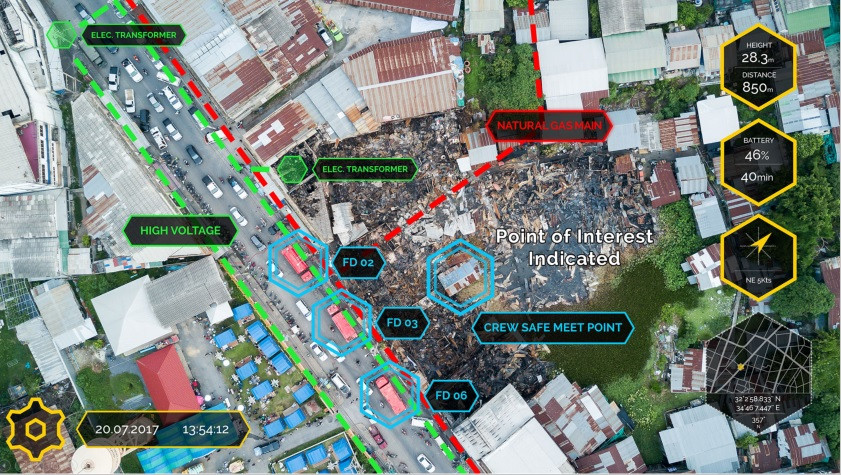 San Diego-based Edgybees today announced the launch of Argus, its API-based developer platform that makes it easy to add augmented reality features to live video feeds.
The service has long used this capability to run its own drone platform for first responders and enterprise customers, which allows its users to tag and track objects and people in emergency situations, for example, to create better situational awareness for first responders.
See the full story here: https://techcrunch.com/2019/04/02/edgybeess-new-developer-platform-adds-situational-awareness-to-live-video-feeds/
How The Big Five Tech Companies Make Their Money, Visualized
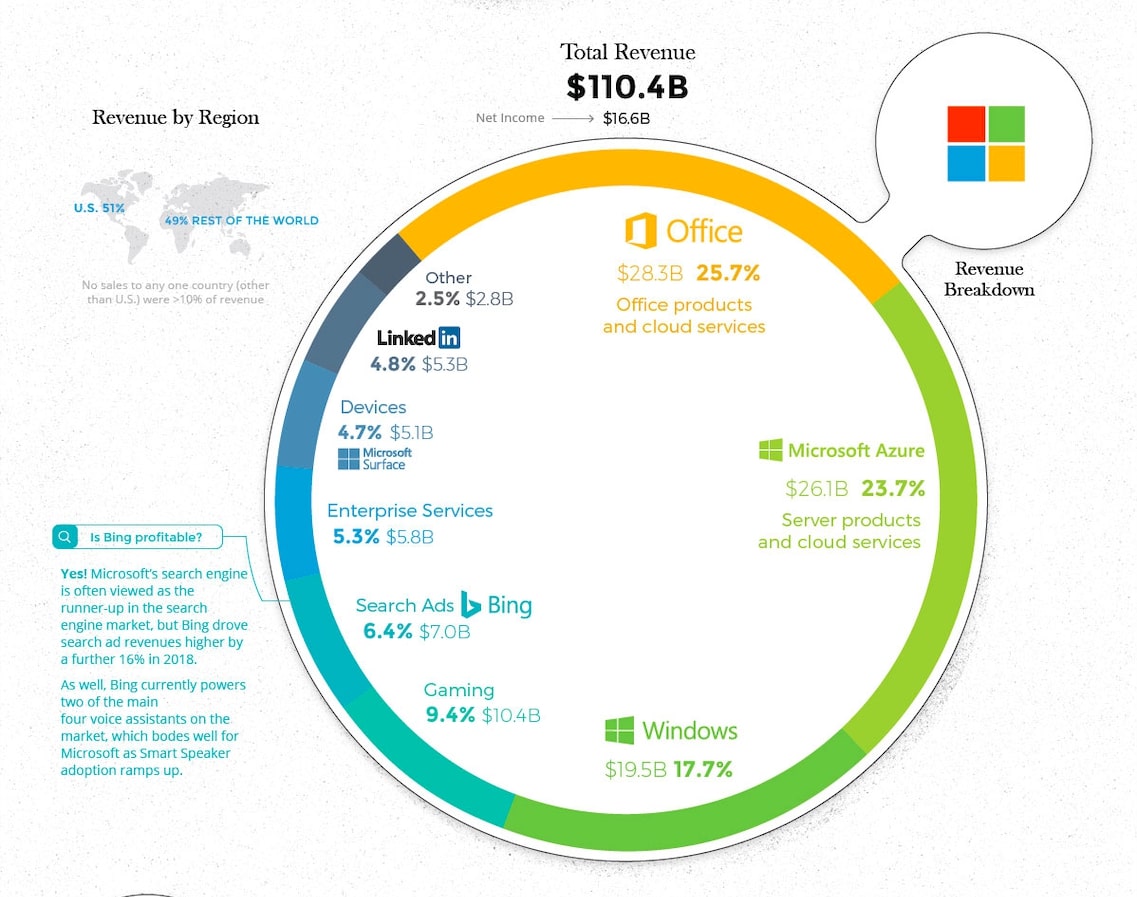
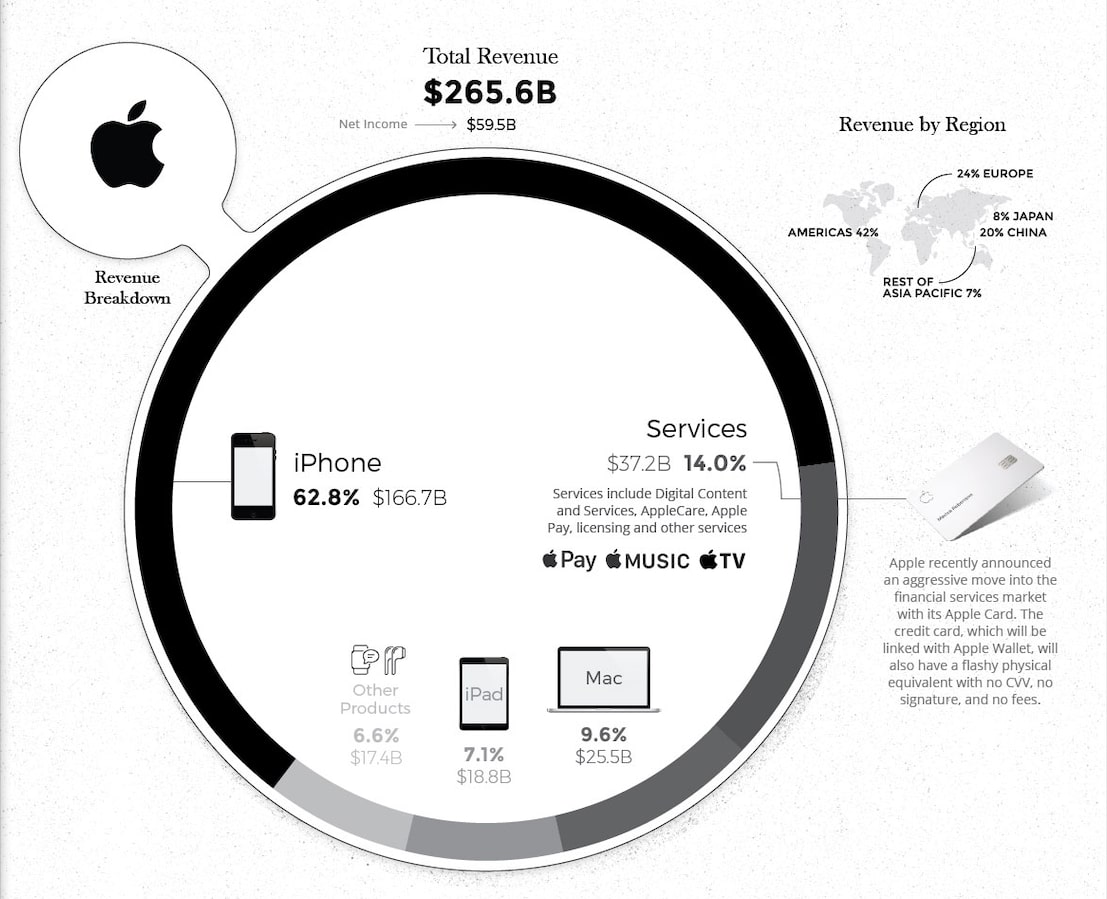 See the full story here: http://digg.com/2019/tech-companies-main-revenue-stream-data-visualization?fbclid=IwAR0v380R9zw2fMHRqAj8pNTl2t6mz16Pyoxql3jKs0LH7h15fezTZgFeJKI
Skills gap? Augmented reality can beam in expertise across the enterprise – PTC Vuforia
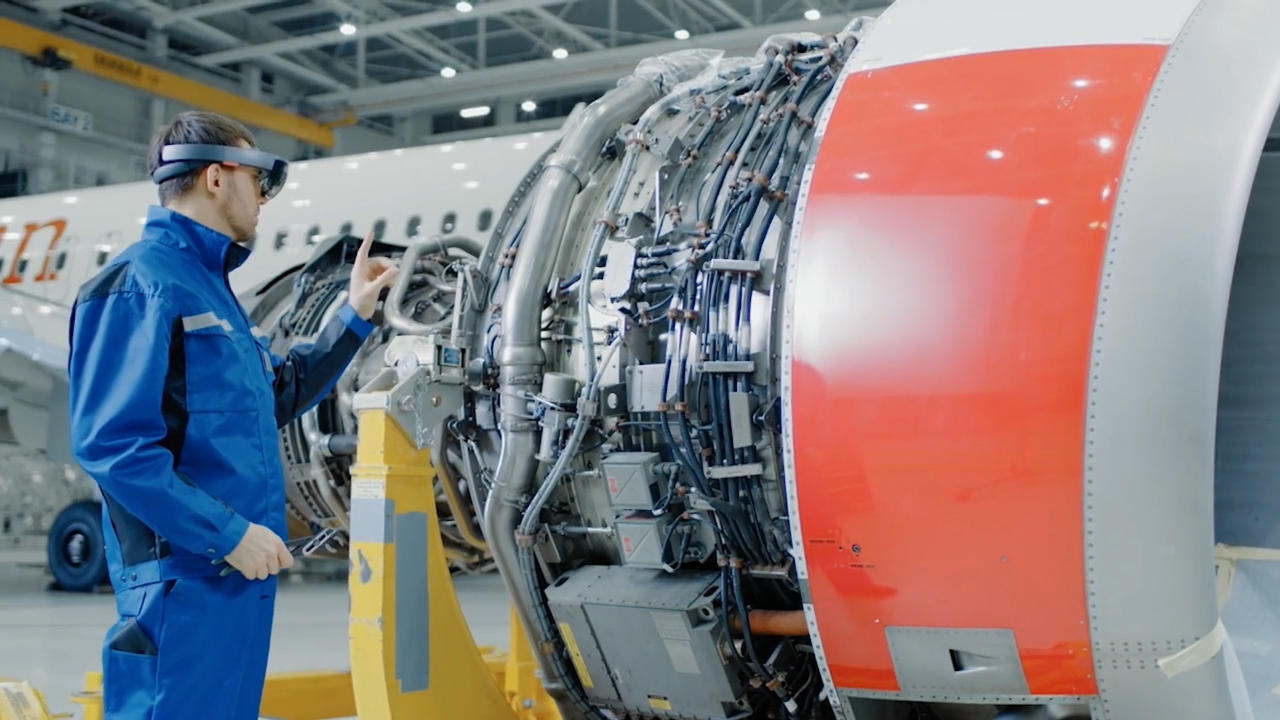 Hives of subject matter experts could man augmented reality switchboards, transferring knowledge to field.
"We are excited to offer industrial enterprises a new way to use AR to leverage the tribal knowledge of subject matter experts (SMEs) and help alleviate the skills gap crisis threatening today's industrial enterprise," says Mike Campbell, EVP, augmented reality products, PTC.
See the full story here: https://www.zdnet.com/article/skills-gap-augmented-reality-can-beam-in-expertise/
The Top 5 Virtual/Simulated Characters and How They Foretold the Future
 Virtual Character #3: Virtual Influencers: Kizuna Ai and Lil Miquela
This spot goes to two (real life?) virtual characters that never existed on TV or in the movies. They are among the biggest YouTube stars – in fact, the days of YouTube celebrities being human may be a thing of the past.
The trend stated In Japan, with Kizuna Ai, an anime-inspired character who looks cartoonish, is a major star in Japan. In 2018, the character has not one but two YouTube channels and has over 2 million subscribers. She was known as the first “virtual YouTuber” and later, Mattel launched virtual Barbie as a real character. Today YouTube estimates over half a billion views that have been attributed to virtual influencers on the platform.
See the full story here: https://variety.com/2019/tv/features/the-top-5-virtual-simulated-characters-and-how-they-foretold-the-future-1203176886/