People Are Paying Insane Amounts of Real Money for “Virtual Real Estate”
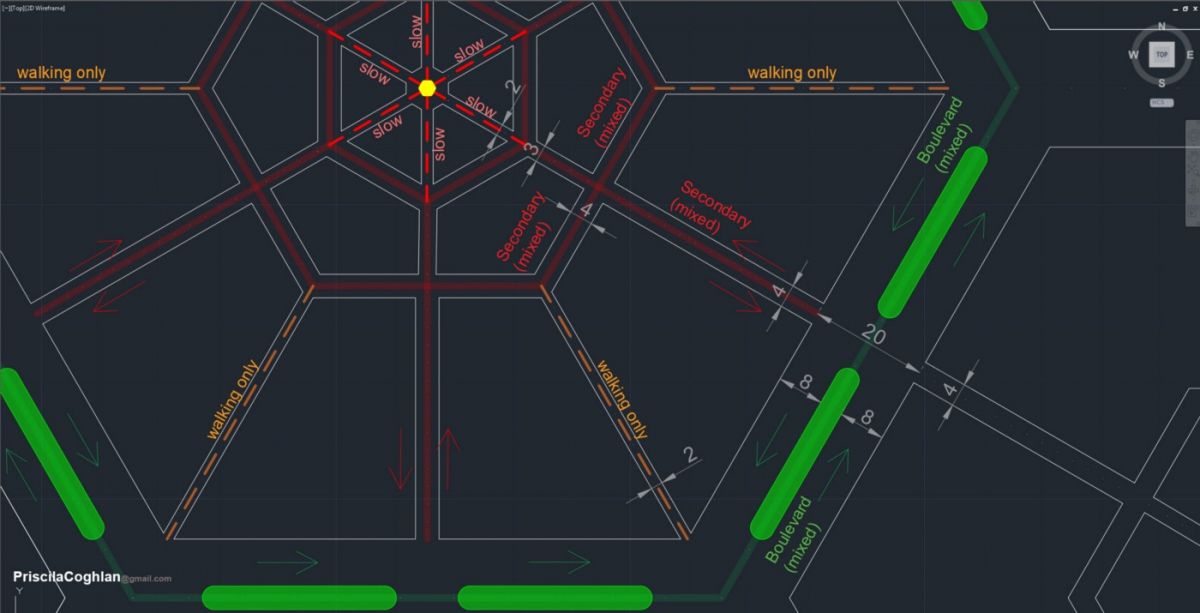 Genesis City is a plot of virtual land, roughly the size of Washington, D.C., that investors can buy slices of for obscene amounts of money. Even a simple 1,100 square foot plot can go for as much as $200,000, according to Bloomberg.
The company behind Genesis City, called Decantraland, had its initial coin offering (ICO) in August of last year. The company offered interested buyers a chance to exchange their MANA (their own cryptocurrency based on the Ethereum blockchain) for virtual “LAND” (parcels of 1,100 square feet each or 10 by 10 meters). Its ICO raised a whopping $26 million in just 30 seconds from private investors, enthusiasts, and VR companies. Like all cryptocurrencies, there’s a ledger for the marketplace as the “LAND” changes hands.
It all feels very much like a well-organized, crowdsourced game of Sim City — except that investors would hate if you called it a game. Instead, in forums on Github, Slack, and Reddit, potential users are already calling Decentraland a platform, not a game — it’s something you build on top of, and can basically be anything (it’s not a 3D space with a story built around it as a game would be).
To put those prices into perspective, Second Life — a virtual world that promises to give its users a second chance — sells private plots of 256 by 256 meters for just $600.
See the full story here: https://futurism.com/virtual-real-estate/
The Biggest VR Games of E3 2018
 This article contains brief summaries of the games and a grid of the platforms that they run on.
Anne Frank House museum unveils virtual reality tour
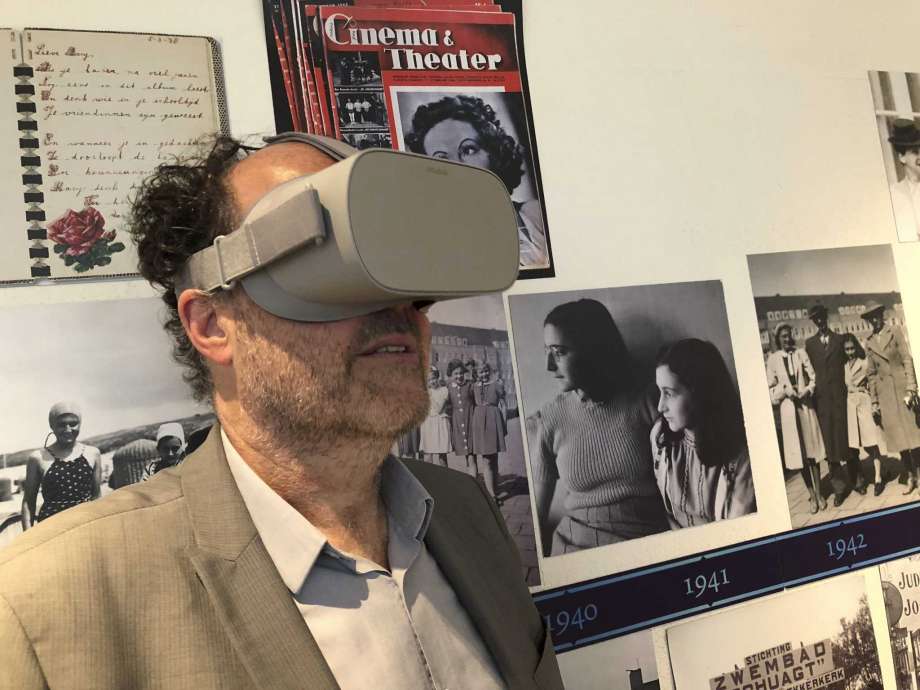 The Amsterdam museum dedicated to Anne Frank's life launched a virtual reality tour of the cramped quarters where the Jewish diarist and her family hid from Nazis during World War II, marking what would have been her 89th birthday Tuesday.
The Anne Frank House said the 25-minute tour means people won't have to visit the museum to see the annex where the Franks and four other Jews hid from July 1942 until they were discovered in August 1944 and deported to concentration camps.
See the full story here; https://www.sfgate.com/news/article/Anne-Frank-House-museum-unveils-virtual-reality-12987208.php
All 64 World Cup Games Will Be Seen On Virtual Reality For First Time Ever On Telemundo App
 For the first time ever, fans will be able to experience watching all 64 games via a virtual VIP suite through a super-wide angle feed and feel as if they are at the stadium in Russia. Two additional camera angles will provide a “closer look” at each game.
The virtual reality experience will be available live during the game. Telemundo will then curate key moments for later VR viewing. Of course, fans will have to get VR headgear to take it all in.
See the full story here:
The state of virtual and augmented reality: Industry sees new reasons for hope amid the hype
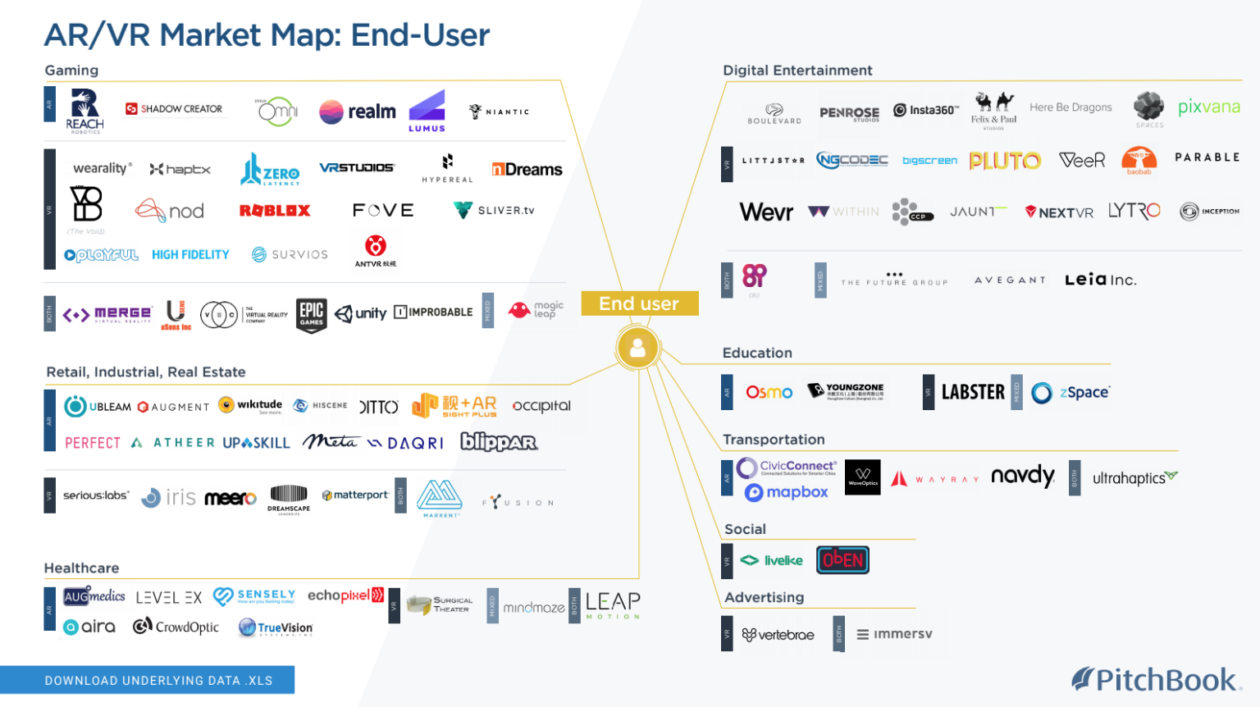 Nice summary survey article
See the full story here: https://www.geekwire.com/2018/state-virtual-augmented-reality-industry-sees-new-reasons-hope-amid-hype/
THESE ARTISTS USE AR TO PULL YOU INSIDE THEIR HEADS
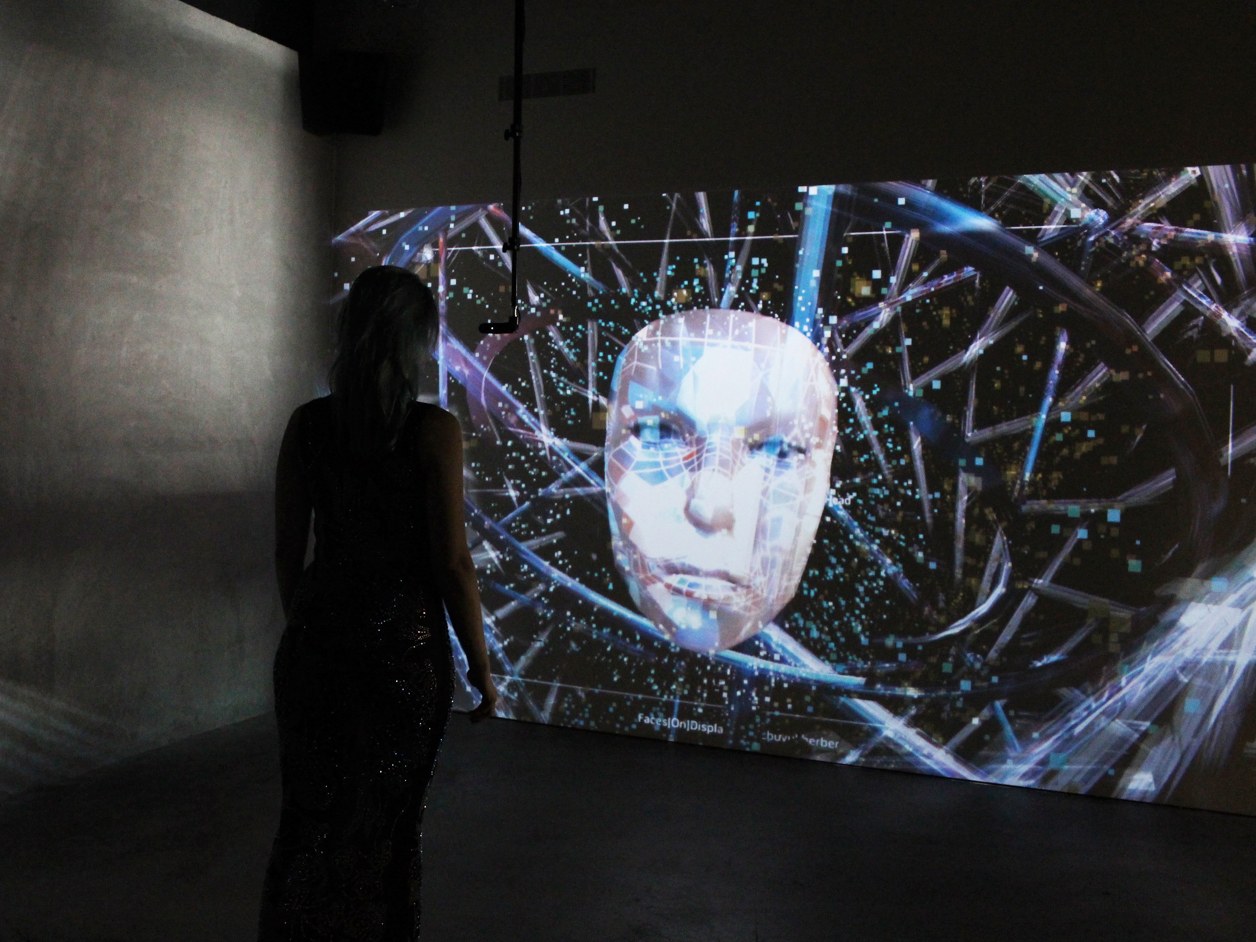 The exhibit, Festival of the Impossible, is showing at Minnesota Street Project galleries in San Francisco, California, through this weekend
After experiencing each artists' work, however, I realized the creations were not just technology demos, but that they gave the artists a chance to express their own ingenuity with technology in a way that's never been this easy, nor this real.
In another artist's space, I pointed the iPad's camera at small, 3-D printed beds. The view in AR showed Sims-like figures sleeping with their realistic dreams playing out above them. Some dreamed of giant spiders; others, the nightmare of a computer that won't stop buffering.
Just this week, Adobe, in partnership with Apple and Pixar, launched the augmented reality authoring tool Project Aero. This new piece of multi-platform software is intended to let designers and developers create AR experiences in a simple, standardized environment.
See the full story here: https://www.wired.com/story/festival-of-the-impossible-minnesota-street-project/
‘New magic’ at Disneyland: How the iconic theme park is enhancing its content with digital touches
 I’d put the enhancements into three technology buckets: embedded animation/multimedia, digital projections, and CGI characters. It wasn’t always clear to me which technique was being used, or how many were used in combination (I was usually watching them from a moving ride vehicle). But they created incremental improvements that kept even the oldest attractions fresh and, importantly, more in line with out-of-Disneyland viewer expectations.
...
For me, the epitome of flexibility is Star Tours: The Adventure Continues. When it opened more than 30 years ago as just Star Tours (before Disney owned the entire Star Wars universe) I interviewed Disney Imagineers who told me the multi-person motion simulators were designed to handle potential updates to their video adventures. That concept was astonishing in a time when it took a then-advanced 386 personal computer to control a single audio-animatronic figure you’d see while waiting in line for the attraction — and that was an improvement from audio-animatronic figures once run by mini-computers.
Now, Star Tours sports stunning high-resolution digital screens, 3D video (added in 2011 when the attraction was fully refreshed), a fully CGI “spokesdroid,” and a bumpy changeable adventure with dozens of variations including, most recently, footage with the First Order. This time, C3PO is your pilot, replacing an original droid pilot voiced by Pee Wee Herman.
The latest Lincoln, updated since my last visit, is based on electronics instead of hydraulics. It’s said to represent the first of a new generation of audio-animatronic figure, autonomatronics, which can incorporate sensors and cameras. This Mr. Lincoln showed more emotion and simply more fluid motion than its predecessors.
Not every digital aspect of Disneyland is in a fixed location. Disney does have its free Disneyland mobile app, useful for quickly checking attraction wait times and, for a daily fee, buying a MaxPass with added features (I also like, and use, the inexpensive third-party subscription TouringPlans.com Lines app to help me limit time in line). Disney has announced a new Play Disney Parks app coming this summer with promised location-based in-park experiences, probably also helpful when you’re stuck in a line.
It is still possible to find classic Disneyland attractions that haven’t received an obvious digital makeover. The Enchanted Tiki Room is one, though in 1963 it did reflect cutting-edge tech as the first use of audio-animatronics anywhere. It’s a Small World is another, annoying adults and charming children with a masterpiece of an earworm since 1966, now enhanced with traditional Small World-style Disney characters such as Stitch.
See the full story here: https://www.geekwire.com/2018/with-a-physical-theme-park-as-content-disneyland-enhances-the-storytelling-with-digital-touches/