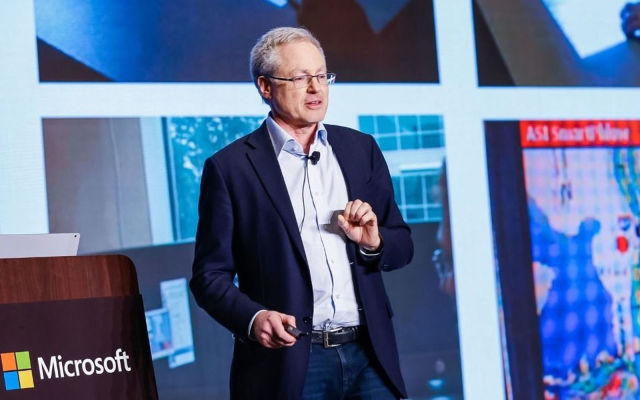
 For the first in its history, there's a chief scientific officer at Microsoft. This week, the company appointed Eric Horvitz to the role as part of a broader reorganization following the departure of a key executive in February.
16Mar/20Off
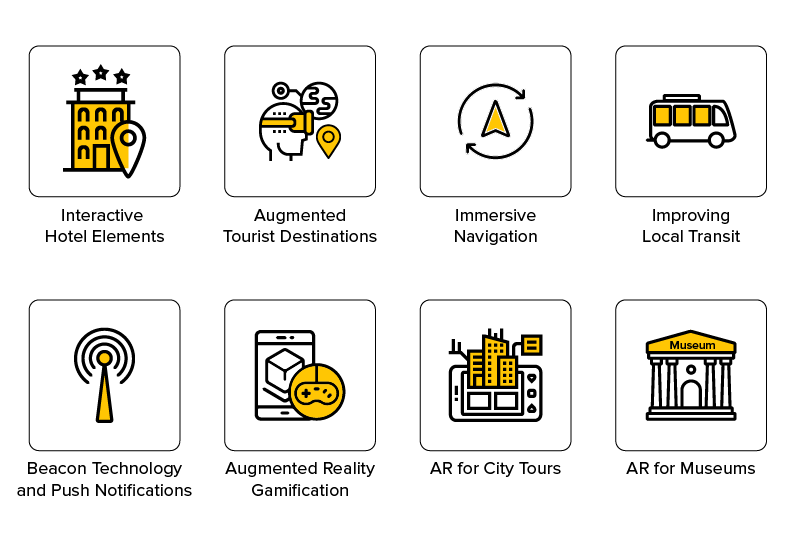
How is Augmented Reality reshaping Travel and Tourism
[PhilNote: the story goes into detail on each of the 8 areas]
Types of AR travel applications
Location based
Marker based
SLAM - Simultaneous Localization and Mapping SLAM technology makes use of complex algorithms to identify colors, patterns and other characteristics of physical objects.
Scope of AR in the Travel and Tourism Industry
See the full story here: https://appinventiv.com/blog/augmented-reality-in-travel-and-tourism/
15Mar/20Off
INSTAGRAM WARNS OF CORONAVIRUS DISINFORMATION INFECTING AUGMENTED REALITY
 Instagram is fighting coronavirus misinformation in augmented reality.
Instagram said it would allow reputable health organizations to create AR filters, however.
Meanwhile, on Snapchat, there also have been coronavirus-related filters. The company does not allow misinformation in Lenses, either, a Snapchat spokesman said. Lenses are Snapchat's name for AR filters.
This appears to be the first time AR has been cited as a target of fake news.
See the full story here: https://adage.com/article/digital/instagram-warns-coronavirus-disinformation-infecting-augmented-reality/2244591
15Mar/20Off
‘Today’ adds augmented reality coronavirus logo to Studio 1A
 Although its Saturday anchors originated the March 14, 2020 edition of “Today” from Washington, D.C., NBC News still had the show’s main studio in NYC up and running — and it made multiple appearances with an augmented reality element.
As the show often does with the top story, the 40-foot curved video wall in Studio 1A was used for a “walk and wander” and “video on video” handheld floating shot while imagery and headlines appeared on it.
See the full story here: https://www.newscaststudio.com/2020/03/14/today-augmented-reality-coronavirus-logo/
15Mar/20Off
Half-Life: Alyx: VR Headset Specifications and PC Requirements
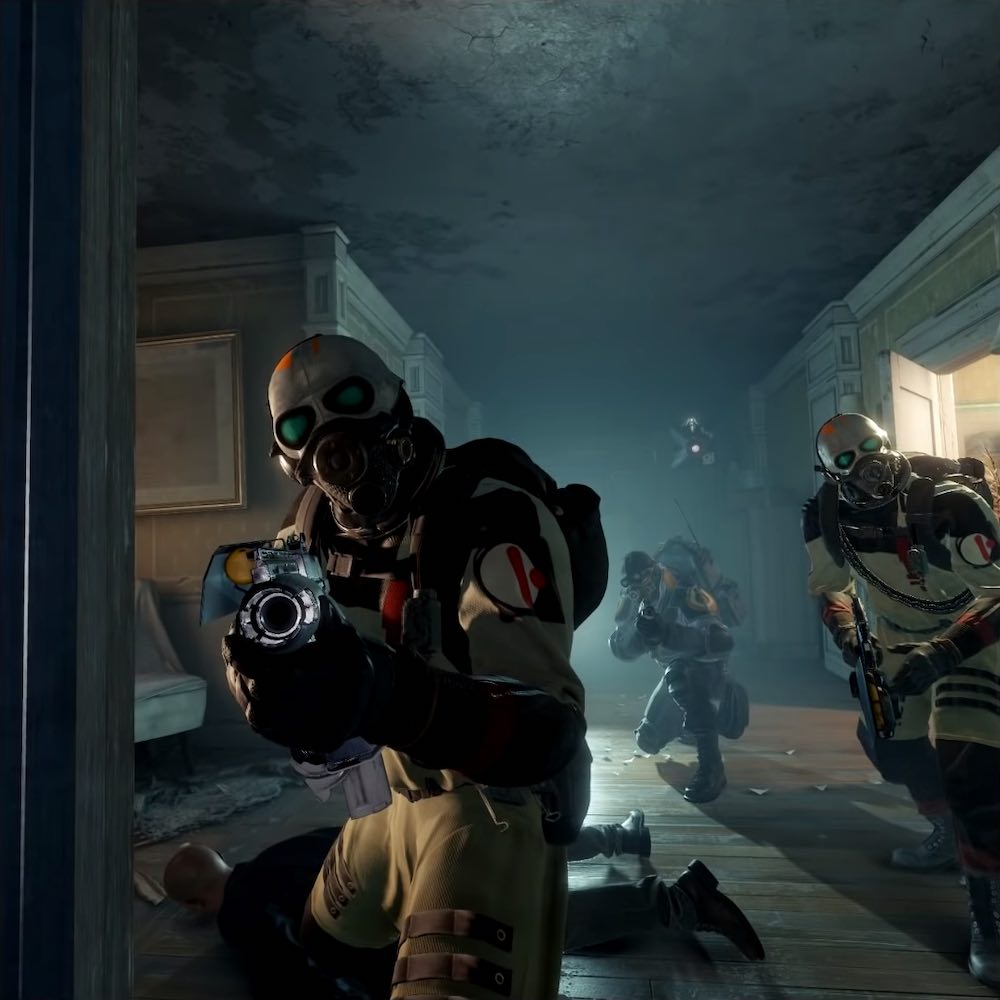 To fully enjoy Half-Life: Alyx in all its glory, you have to not only get the right compatible virtual reality headset but also a VR-ready PC with the right specs. The Valve Index is considered the ‘default’ Half-Life: Alyx headset but there is a host of other cheaper VR headsets that you can use to play the game, including Oculus Quest and the Windows Mixed Reality headsets. Oculus Quest headset can be connected to a PC via the Oculus Link cable in order to play the game.
This article provides a quick overview of the headset and PC requirements needed to get off the ground with Half-Life: Alyx. We show you the components that you will need as well as the Virtual Reality headset specs that the game is compatible with.
See the full story here: http://virtualrealitytimes.com/2020/03/14/half-life-alyx-vr-headset-specifications-and-pc-requirements/
15Mar/20Off
Looxid Link Brain Interface Comes to Oculus Rift S
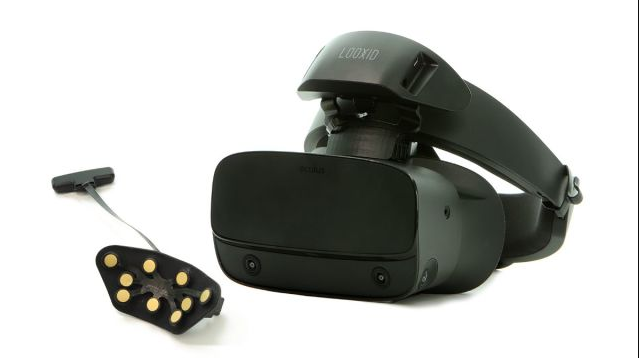 Looxid Labs has now revealed that its Looxid Link brain monitor for HTC Vive has now been adapted for Oculus Rift S via a modified slick EEG-equipped attachment as an add-on.
The add-on will be attached just above the Oculus Rift S goggles. This enables its nine EEG electrodes to come into contact with the user’s forehead. The design seems like a natural fit. A video of the attachment shows the wearer dodging enemy fire in a virtual reality game without the brain monitoring interface wobbling.
The Vive versions of the Looxid Link brain interface cost $300.
To adapt the device for Oculus Rift S, the Link measuring device is clamped between the facial foam and the forehead attachment. It does not require major modifications to work with the Oculus Rift S.
The VR add-on can also be used by therapists to have a less stressful exposure therapy while also getting a better understanding of the patient’s reactions.
See the full story here: https://virtualrealitytimes.com/2020/03/14/looxid-link-brain-interface-comes-to-oculus-rift-s/
15Mar/20Off
Cao Fei on the limits of truth and virtuality
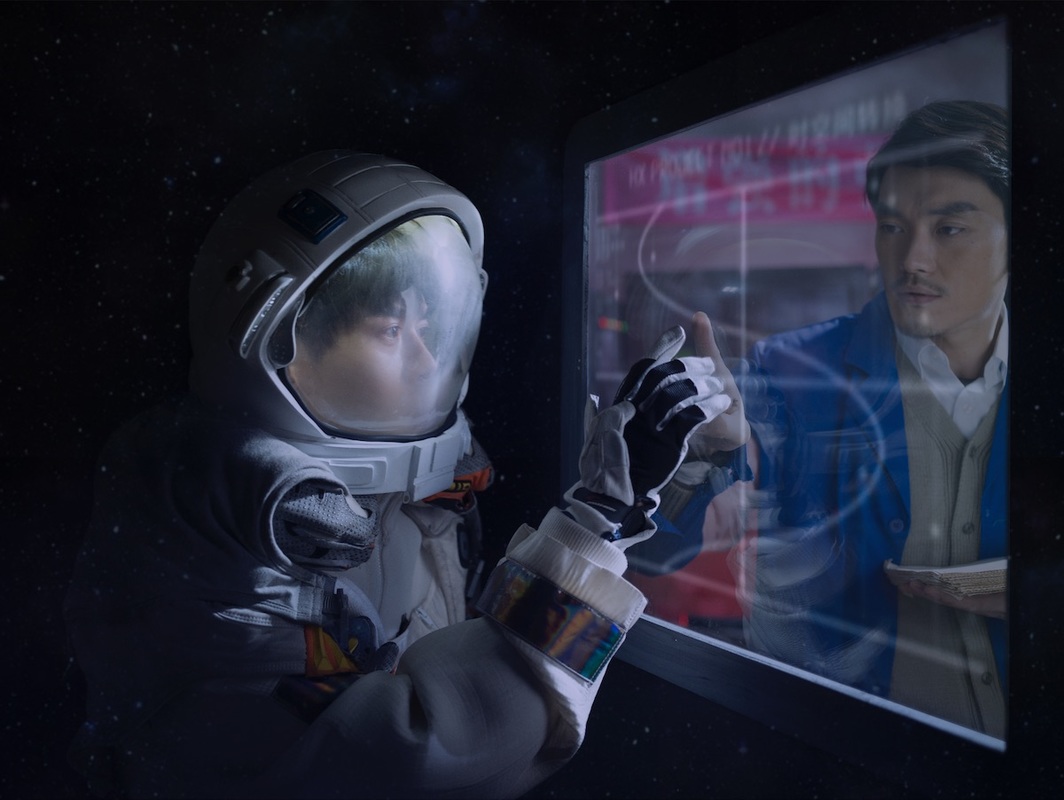 The immersiveness of virtual reality has been greatly exaggerated. In fact, the obstruction of immersion is VR’s greatest drawback. Its cumbersome headset, dizzying eyepieces, the lag between intent and control, distractive scene transitions, and popup notifications are constant reminders of its distance from “reality.” It hardly reaches the empathy effect provided by cinema. I’m interested in expanding VR’s boundary, to look beyond beauty, shock, and interactivity. I’m interested in virtual reality as agitprop, or whether or not it can disrupt experience as we know it. How will VR change our memories, our dreams?
At the end of the day, it doesn’t matter that we’ll never get to know the truth, including the historical truth. We can only look for its traces. My recent work considers China’s first computers. Where are the workers today who built them alongside Russian industrial advisers? What technologies and ideologies did those Russian industrial advisers leave behind exactly?
We are sandwiched between the “real” world and cyberspace, and through acceleration and diffusion of attention, we accept such changes rapidly. Before doubts are even formed, our thoughts are interrupted by funny videos sent by friends, or by our ecstasy for the hundreds of “likes” that a selfie earns in ten minutes. More is less. ... By the time we are about to leave this world, we might feel like we have never lived.
See the full story here: https://www.artforum.com/interviews/cao-fei-on-the-limits-of-truth-and-virtuality-82445
14Mar/20Off
Facebook is finally shutting down MSQRD, the selfie app it bought in 2016 and then didn’t update for years
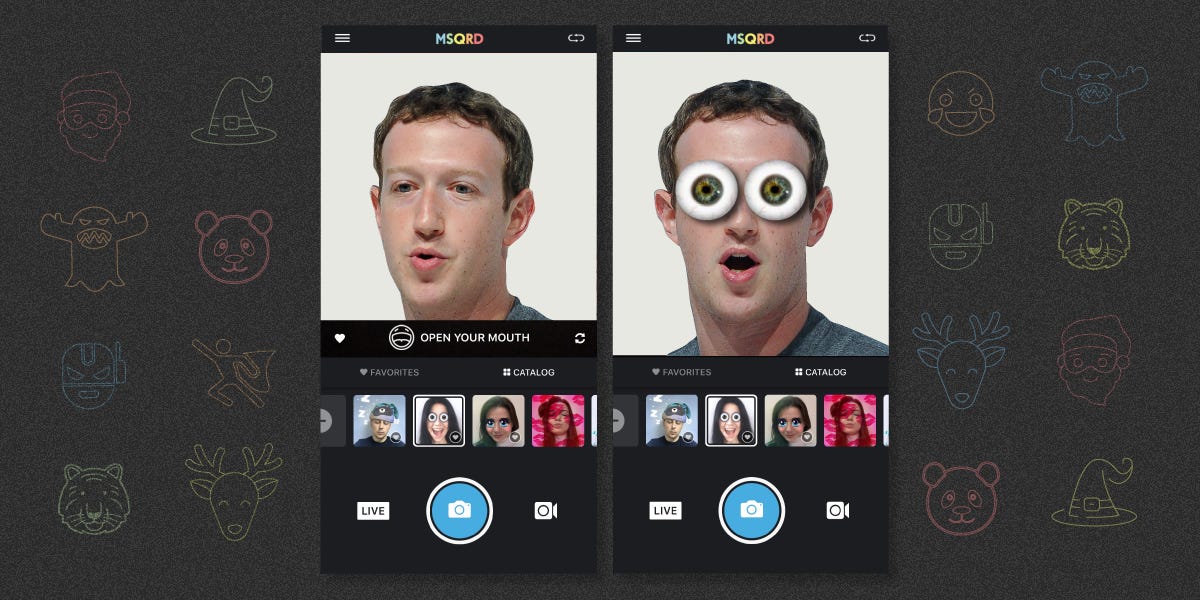 Facebook is shutting down MSQRD, an augmented reality selfie app it acquired in 2016 and which hasn't been updated for years.
Facebook acquired MSQRD in January 2016, after it exploded to the top of app store charts thanks to its face filters that transformed users into superheroes, animals, and more. Facebook promised to keep developing the app while also integrating its tech into its own products — but it stopped updating the app entirely before the end of the year, as Business Insider reported in a feature on the status of MSQRD in January 2020.
For the next three-plus years, MSQRD existed as a kind of zombie app, available to download but without updates to keep it fresh, with its once-enthusiastic userbase long evaporated — as Facebook's own AR grew progressively more sophisticated.
See the full story here: https://www.businessinsider.com/facebook-closes-msqrd-ar-selfie-app-acquired-2016-2020-3
13Mar/20Off
Facebook is testing new social VR app Horizon
Facebook has begun inviting users to participate in its closed alpha test version of Facebook Horizon — a social VR world where users can design their own cartoon avatars and interact with other users — by playing multiplayer games or building communities with the app's creator tools, per Social Media Today. Horizon is only accessible as an app on Oculus headsets and, at least for testers, it requires a linked Facebook account.
Business Insider Intelligence
Horizon is Facebook's latest effort to combine social networking with the immersive aspects of VR in a way that drives wider interest and consumer adoption among users. Horizon aims to build on past VR product launches from Oculus that likewise focused on realizing a vision of social networking and VR technology combined: Oculus Rooms, launched in 2016, and Spaces, launched in 2017.
See the full story here: https://www.businessinsider.com/facebook-testing-horizon-social-virtual-reality-app-2020-3
13Mar/20Off
NIST pushes augmented reality for first responders
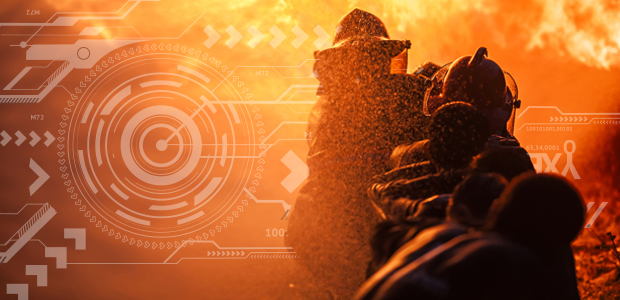 The National Institute of Standards and Technology is looking for innovators who can build intuitive augmented reality (AR) interfaces based on internet-of-things (IoT) data streaming from smart buildings, city sensors and personnel monitors to provide first responders with real-time situational awareness.
NIST’s Public Safety Communications Research Division and its challenge partners launched the CHARIoT Challenge, which will award over $1 million in prizes for solutions that can emulate and transmit scenario-accurate data streams for AR devices that will help public safety personnel communicate and respond more efficiently.
The four-phase challenge has two related tracks – IoT and AR – and calls for data streams and interfaces that provide insights for decision-making and resource deployment in wildfires, floods, active shooter situations and tunnel collapses. The systems must support both incident commanders and responders in the field.
Winning contestants will receive additional prizes and technical mentorship opportunities with key challenge partners, including Magic Leap, the First Responder Network Authority, FirstNet built with AT&T, MSA Safety and Blueforce Development.
See the full story here: https://gcn.com/articles/2020/03/12/iot-ar-responder-challenge.aspx