Jeffrey Katzenberg, Meg Whitman Offer Details on Quibi Launch, Pricing
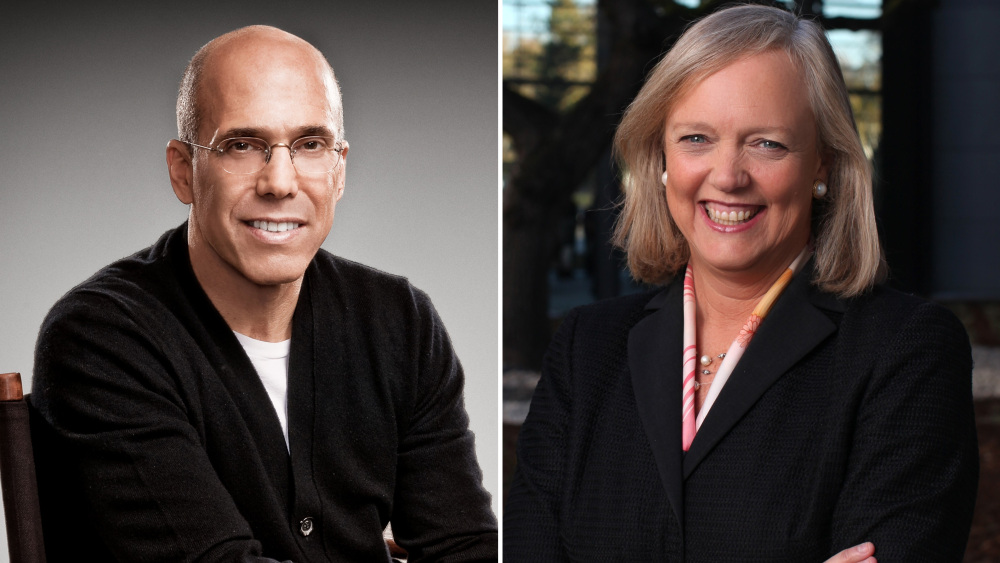 The company currently has projects in the works from A-listers like Guillermo del Toro, Antoine Fuqua, and Sam Raimi. Each series is expected to be two to four hours in length, with each one divided into segments that will be no longer than 10 minutes each.
According to Katzenberg, the service will have two pricing tiers at launch on April 6, 2020. The first will cost $4.99 with one pre-roll ad before each video segment — a 10-second ad if the video is less than 5 minutes and a 15-second ad for 5-10 minute videos. The ad-free option will cost $7.99. Whitman also said they expect to have approximately 7,000 pieces of content available within the first year.
“I said to Meg that, until day one, every decision that we make around content will be driven by instinct,” Katzenberg said. “Minutes after we launch, everything will be driven by data.”
See the full story here: https://variety.com/2019/digital/news/quibi-jeffrey-katzenberg-meg-whitman-produced-by-1203236854/
5G IS COMING, AND IT’S FORTIFIED WITH FIBER
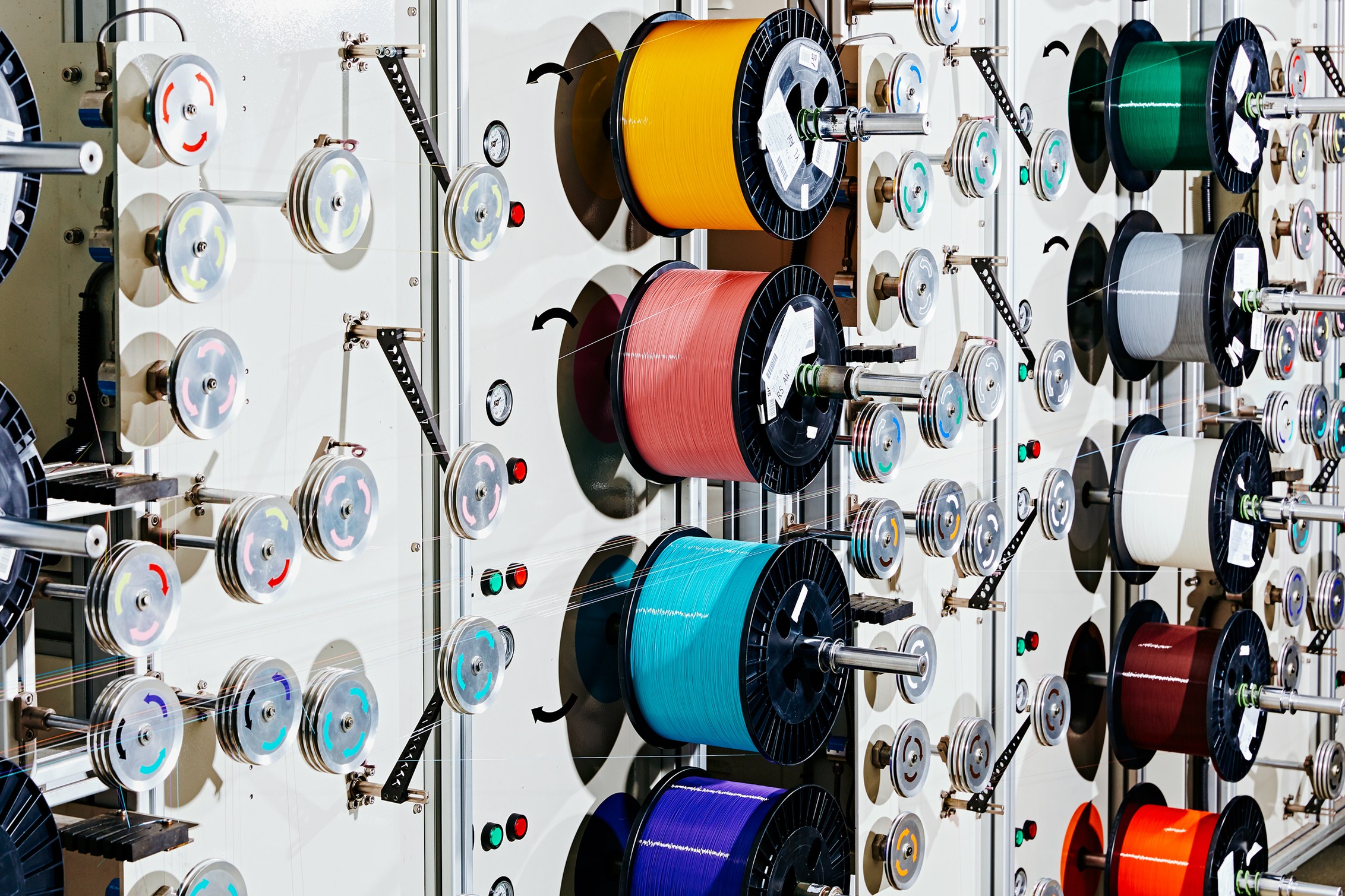 5G will happen in the airy realm of radio waves. To get there, big telecoms have to harness underused parts of the spectrum. But there's another crucial part underlying this system: lowly cable. Huge numbers of new transmitters will be needed to relay all that data to your phone, and many of those transmitters will still connect to the internet through fiber-optic cable—glass as thin as strands of hair carrying pulses of light.
To make it all work, companies, including OFS Optics, a fiber-optics and cable company, are now being commissioned to produce millions of miles of new cable holding twice as many fiber pairs—two strands, one for the uplink and one for the downlink—as the old stuff.
Out in the world, these cables may be draped along utility poles or hidden in shallow trenches under city streets. Enormous lengths of cable carry the internet under the oceans between continents. In those places, mostly unseen, they may one day connect your 5G-enabled device and beam you into the future.
See the full story here: https://www.wired.com/story/5g-is-coming-fortified-with-fiber/
How A.I. Could Be Weaponized to Spread Disinformation
 Now, researchers at the world’s top artificial intelligence labs are honing technology that can mimic how humans write, which could potentially help disinformation campaigns go undetected by generating huge amounts of subtly different messages.
In recent months, two prominent labs — OpenAI in San Francisco and the Allen Institute for Artificial Intelligence in Seattle — have built particularly powerful examples of this technology. Both have warned that it could become increasingly dangerous.
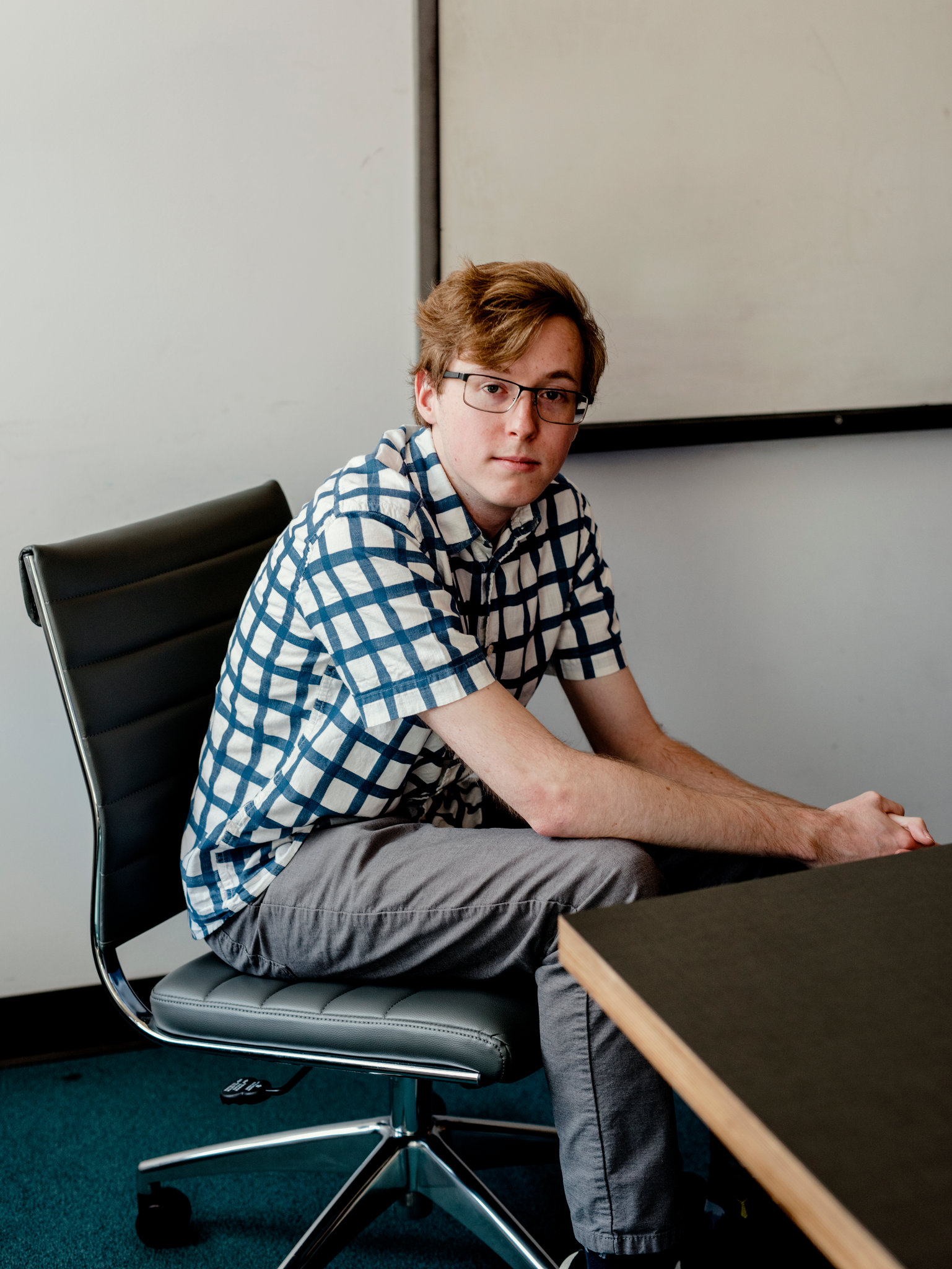
Alec Radford, a researcher at OpenAI, argued that this technology could help governments, companies and other organizations spread disinformation far more efficiently: Rather than hire human workers to write and distribute propaganda, these organizations could lean on machines to compose believable and varied content at tremendous scale.
A fake Facebook post seen by millions could, in effect, be tailored to political leanings with a simple tweak.
See the full story here: https://www.nytimes.com/interactive/2019/06/07/technology/ai-text-disinformation.html
Facebook’s machine learning system MelNet generated a series of voice clips that sound just like Microsoft founder Bill Gates.
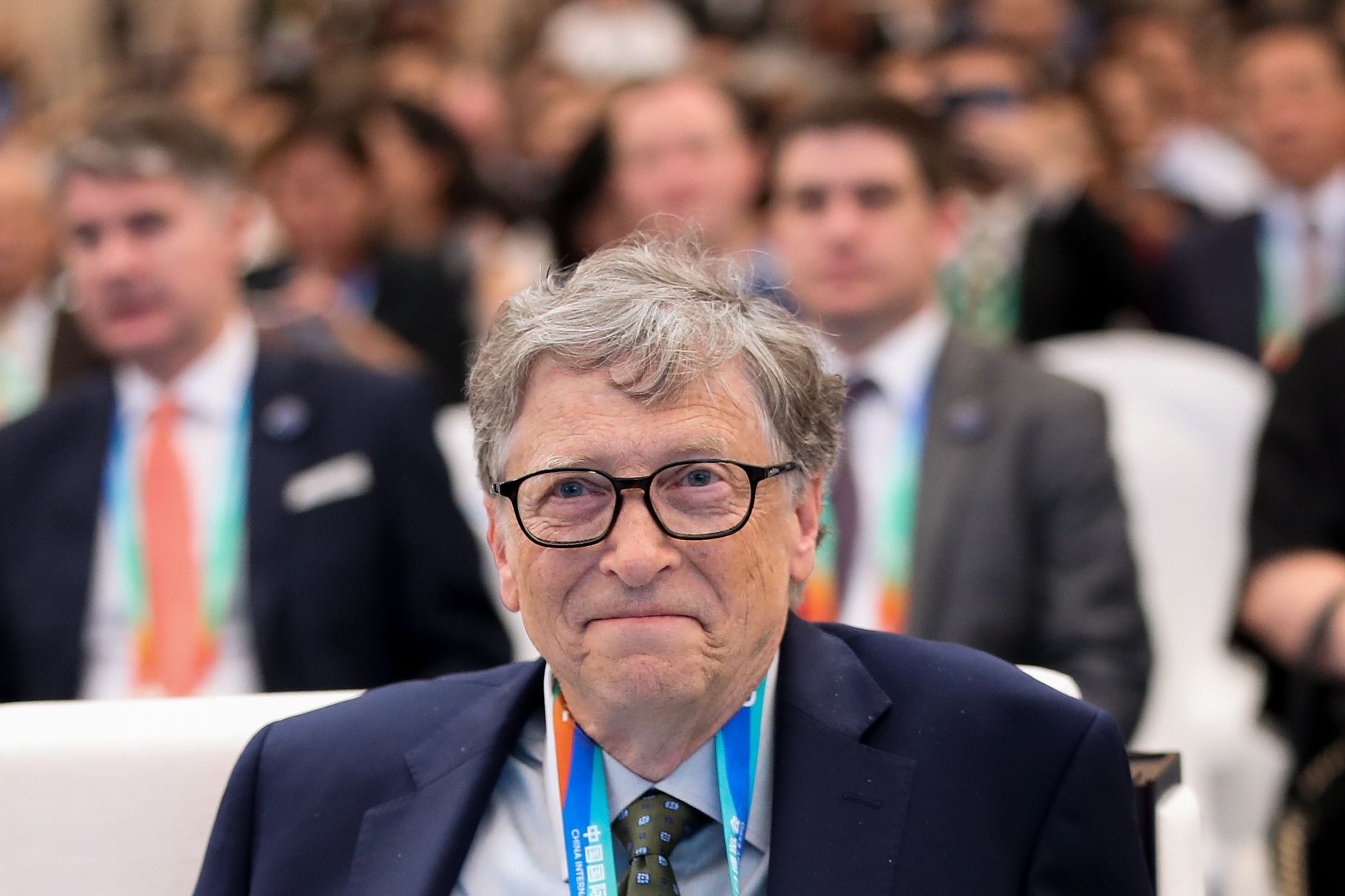 MelNet can also mimic Stephen Hawking, George Takei, and Jane Goodall, among others, which makes sense considering that it was trained on audiobooks as well as a 452-hour dataset of TED talks. Unlike WaveNet and other programs that are trained with audio waveforms, MelNet relies on the spectrogram, which allows it to capture more subtle consistencies known as "high-level structure" in a person's voice, which could one day result in higher-quality AI assistants.
See the full story here: https://www.theverge.com/2019/6/10/18659897/ai-voice-clone-bill-gates-facebook-melnet-speech-generation
Deloitte, USGA Develop Augmented Reality App for the 2019 U.S. Open Championship
New for this year, a U.S. Open Augmented Reality (AR) App by Deloitte will provide golf fans with an engaging and innovative digital experience for the 119th U.S. Open Championship at Pebble Beach Golf Links, June 10-16.
 Available in the Apple App and Google Play Stores, U.S. Open AR offers fans – watching on-site at Pebble Beach or from elsewhere – exclusive insights into player performance on the iconic 6th, 7th and 18th holes, in 3-dimensional augmented reality. Pebble Beach will come to life on users’ mobile devices through a virtual map of the course, allowing fans to follow the action in real-time, compare player performance and see how competitors performed on signature holes. Additionally, golf fans can re-live historic shots by the five previous U.S. Open champions, including Jack Nicklaus in 1972 and Tiger Woods in 2000. To activate the experience, users aim their phones at the AR image, available on-site in the tee times guide and for download HERE.
“We are excited to continue to work closely with the USGA to develop experiences that transform the way fans engage with the championship,” says Allan Cook, managing director, Deloitte Consulting LLP. “We are bridging the gap between the human experience and the digital to heighten fan enjoyment, create conversations and community, and allow more people to connect to the game they love.”
See the full story here: https://www.sportsvideo.org/2019/06/07/deloitte-usga-develop-augmented-reality-app-for-the-2019-u-s-open-championship/
Virtual Reality Comes To Broadway In A Big Way
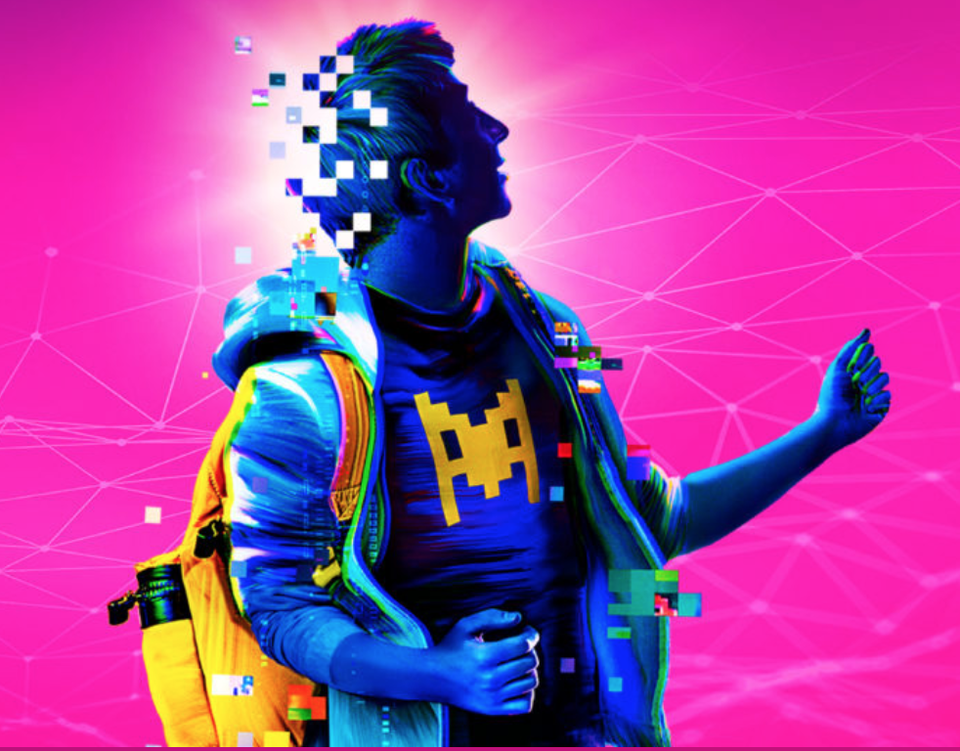 Soon viewers around the globe will be able to experience entire Broadway shows using VR technology. They will have the option to choose from a selection of vantage points, (or, in VR lingo, “jump spots”), from stage to orchestra pit to front row and beyond. For people who do not have access Broadway shows, this platform could be a game changer. What’s more, for VR lovers who have never experienced Broadway or live theater, it’s an alluring shiny new toy.
See the full story here: https://www.forbes.com/sites/jerylbrunner/2019/06/07/virtual-reality-comes-to-broadway-in-a-big-way/#22eda69e1367
Snap’s 180% surge since Dec. aided by more teens loving augmented reality
 From a growth in users to augmented reality driving engagement, Pivotal Research Group’s Michael Levine says there are "increasing signs of momentum in the business on multiple fronts." The equity research firm upgraded Snap to buy from hold on Thursday, and raised its price target to US$17.25 a share from US$13.25.
Still "there is a healthy amount of remaining skepticism about the business among investors," Levine admits, but "a turn in usage and revenues could translate into a meaningful re-rating higher."
See the full story here: https://www.bnnbloomberg.ca/snap-s-180-surge-aided-by-more-teens-loving-augmented-reality-1.1269790