Vacation Simulator Release Date Finally Announced (For PC)
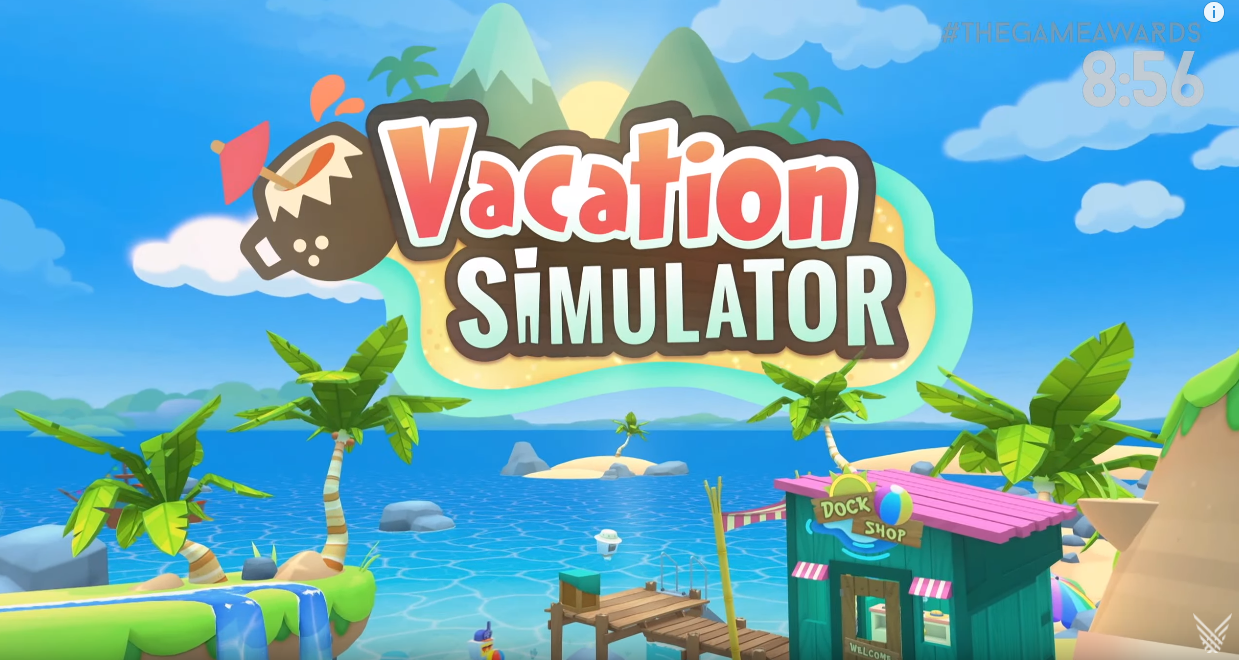 Set in the year 2060, Vacation Simulator sees robots attempt to replicate the ancient art of the human vacation.
As the trailer reveals, Vacation Simulator is comprised of four destinations. The previously-seen Beach area lets you build sandcastles and head underwater, whereas a new Forest locale allows for bird-watching and fishing. There’s also a new Winter world where you can throw snowballs and chill in a hot tub. Finally, there’s a resort hub world. As previously revealed, you can explore these locations as your own personalized avatar, too.
Vacation Simulator is Owlchemy’s first major release since it was acquired by Google in May 2017.
See the full story here: https://uploadvr.com/vacation-simulator-release-date/
HaptX VR Gloves Uses Telerobotics To Transmit Touch Across The Globe
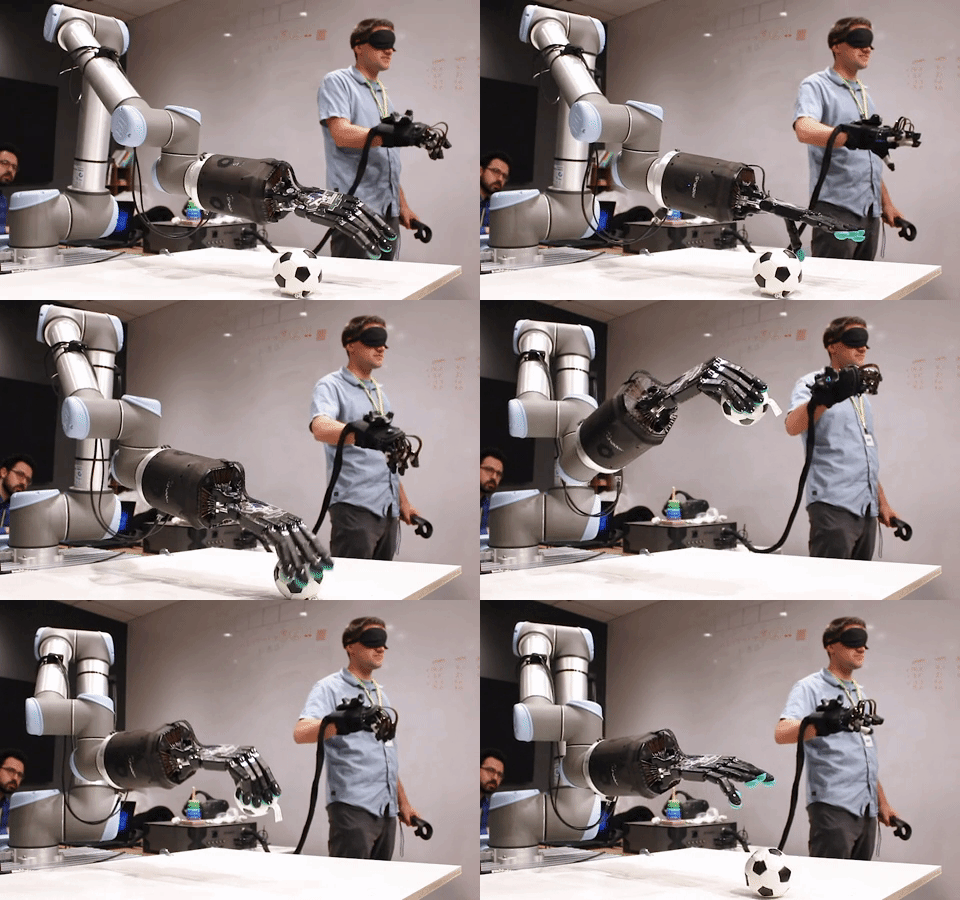 Labeled as the Avatar X initiative, the project is a result of a collaboration between HaptX–whose haptic gloves lets you grab and hold objects in VR–SynTouch, whose BioTacs SP sensors can detect haptic data of interaction to re-create a human sense of touch; and Shadow Robot Company, creators of Dexterous Hand – a robotic hand with 20 actuated degrees of freedom, force sensors, and ultra-sensitive touch sensors on the fingertips.
VR/AR @ SXSW
 Scan the schedule of panels and demos at SXSW and you'll guess that entertainment is the major activity that's been pushing the boundaries of this nascent technology. People are either talking about the entertainment possibilities of it, or they're talking about how they've already offered multisensory experiences built from those possibilities elsewhere, or – like last year's "The Atrium" experience from Meow Wolf and this year's "Mars Home Planet" and more – they're offering a smörgåsbord of VR entertainment right here in the brief South By sector of River City.
What VR is increasingly being used for, though, is education – for professional training purposes, even, where an interactive mock-up of reality can be a far more effective learning medium than a textbook or a slideshow or even umpteen reels of Oscar-level but unidirectional cinematography.
Virtual Cinema
Monday-Wednesday, March 11-13, 11am-6pm
JW Marriott Griffin Hall
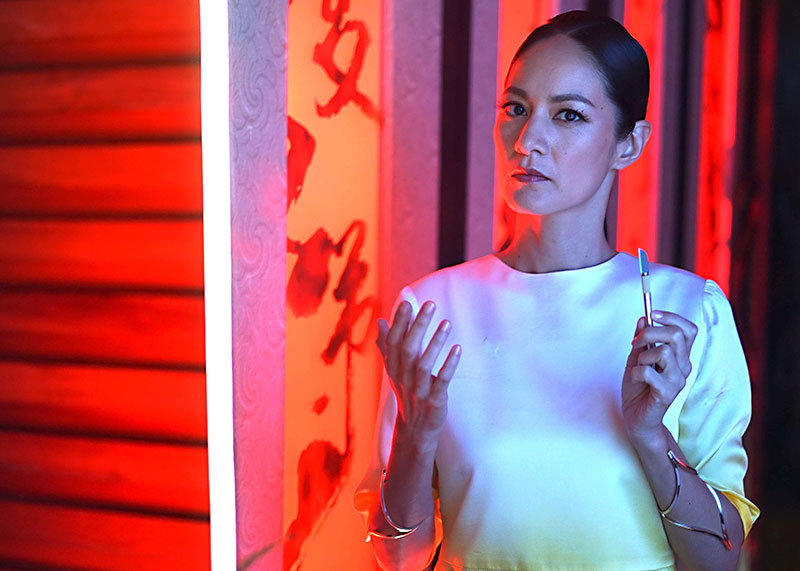
The majority of VR projects at the festival are arranged within one enormous room for your buffet-style pleasure, and this is that room. Each of the 25 projects, from a diversity of international producers, is a unique experience that ranges from five to 40 minutes. This is where you go to experience the thing itself before learning more about the "how and why" in panels and presentations. For your consideration, we're pointing out "-22.7°C," Jan Kounen's aurally rich documentation of recording sound in the Arctic's barren wastes; "Mechanical Souls," Gaëlle Mourre's science fiction about humanoid robots hired to assist with a fancy Chinese wedding; and Armando Kirwin's "Mercy," about a 14-year-old girl in Africa who, suffering a large tumor on her face, must travel through the jungle for days to reach a life-transforming surgery. This showcase runs for three days, remember, so you could see it all.
Creating Contemporary Art in Virtual Reality
Tuesday, March 12, 12:30pm
JW Marriott Salon 1-2
Khora Contemporary is touted as the first VR art production house in the world, ....
See the full story here: https://www.austinchronicle.com/screens/2019-03-08/vr-ar-at-sxsw/
Nreal’s Promise Of True AR Sunglasses Could Be The Real Deal
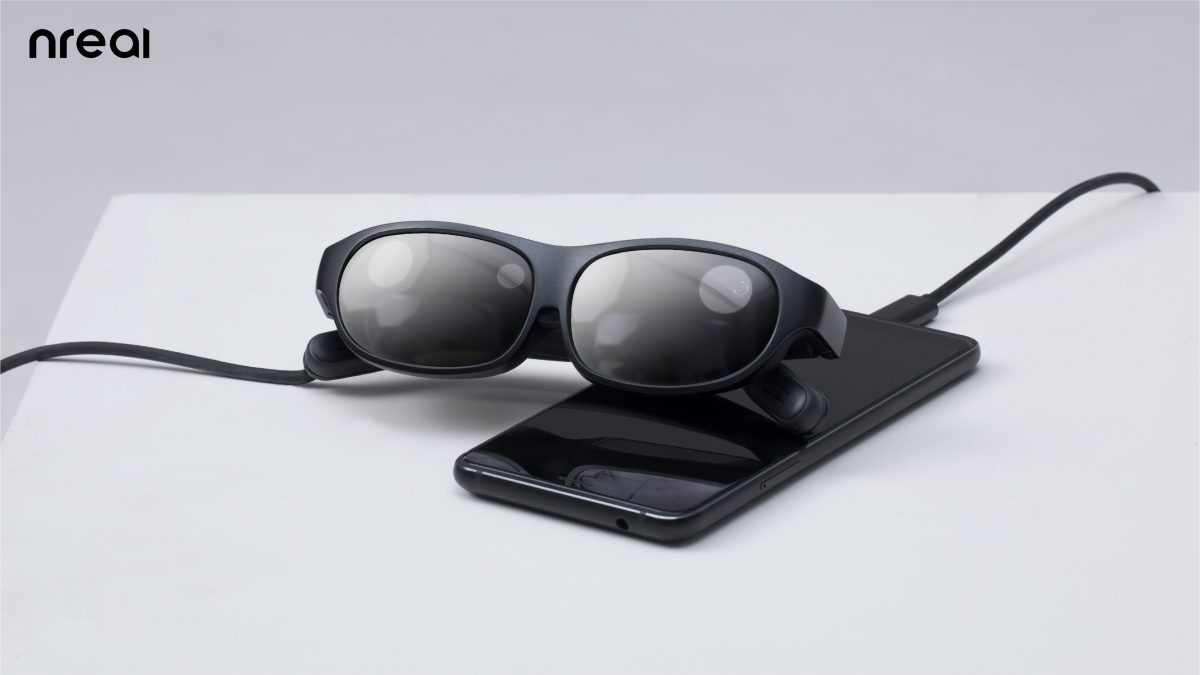 I got a quick look at the Light at MWC last week. It’s a little like a slimmer Magic Leap, with a headset design almost indistinguishable from a real pair of sunglasses. The trick, though, is that the headset gets its compute power from the smartphone in your pocket. Well, that is if you have a smartphone with a Qualcomm Snapdragon 855 chip. Otherwise, the kit can be powered by a computing unit with an 845 chip.
Light’s 52 degree field of view.
That said, tracking was solid (demos were notably directed toward a booth wall and not the busy show floor).
Perhaps the most noticeable part of the demo, though, was how comfortable this all felt. Nreal Light is slightly bulkier than a real pair of sunglasses but, at 85g, it was still much lighter than any other AR headset I’ve tried. The wire connecting the glasses to your phone seamlessly runs from the end of one of the temples, much like an earphone wire. Sure, they’re not ‘true’ sunglasses but I could easily see myself tucking the wire under my shirt to use the headset for a few hours.
Nreal isn’t yet talking about release dates and prices for the Light.
See the full story here: https://uploadvr.com/nreal-impressions/
Harman Wants to Use Robotic Speakers to Make VR Sound More Real
 “Audio content that is outputted via static audio devices may not accurately represent the virtual environment and/or virtual objects included in the virtual environment,” the patent reads in part. “For example, sounds outputted by stationary speakers may not accurately reflect the distance, direction, and/or motion between the user and a virtual object included in the virtual environment.”
As a remedy for this, Harman is looking to map VR soundscapes to robotic speakers, and then move them around in a room. According to the patent, this could reproduce a wide range of acoustic phenomenons, including objects emitting sounds themselves, as well as walls that sound can bounce off, physical obstructions that can absorb sound, and more.
“Speech from a character may be more suitable for output via a robotic speaker (…) than speech corresponding to an inner monologue from the user representation, because a sense of space and distance is generally not required for an inner monologue.”
The patent goes into some detail about ways to track the position of robotic speakers in the room, and ways to position the speakers themselves. Turns out these devices don’t necessarily need to drive around on four wheels, with Harman researchers envisioning anything from one-wheelers to “a hovering mobility platform based on co-axial rotors, multi-rotors (e.g., quadcopters), or vertical gas jet based propulsion mobility platforms.”
See the full story here: https://variety.com/2019/digital/news/harman-robotic-speakers-vr-patent-1203155388/
Using Augmented Reality to Teach Kids about Currency
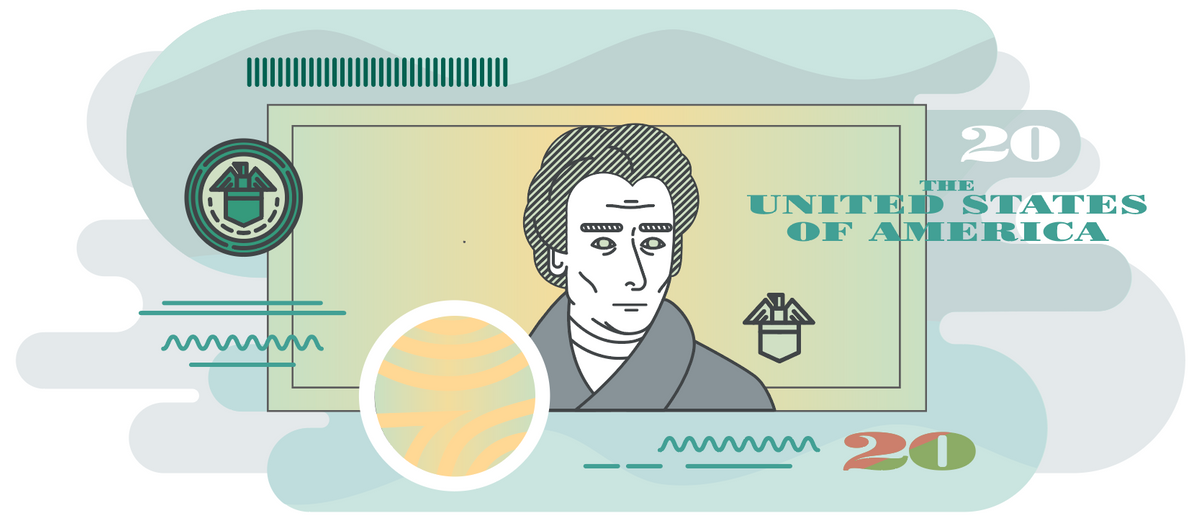
 The U.S. Currency Education Program used research, prototyping, and user-feedback to develop a mobile app to teach young students about money.
In 2016, the Federal Reserve Board’s U.S. Currency Education Program (CEP) began its search for an innovative way to teach young students about Federal Reserve notes. When researching how elementary-aged students learn new topics in the classroom, we noticed a strong trend in effective mobile-based instruction. We then identified which mobile technologies teachers use in American classrooms.
Money Adventure facilitates a playful learning environment, similar to Currency Academy, the CEP’s web-based classroom content. Students can explore the features of a virtual $20 note or embark on an augmented reality quest using the detailed artwork on the back of banknotes.
See the full story here: https://digital.gov/2019/03/05/using-augmented-reality-teach-kids-about-currency/