Poly Is Google’s Foundation For Building Virtual Worlds
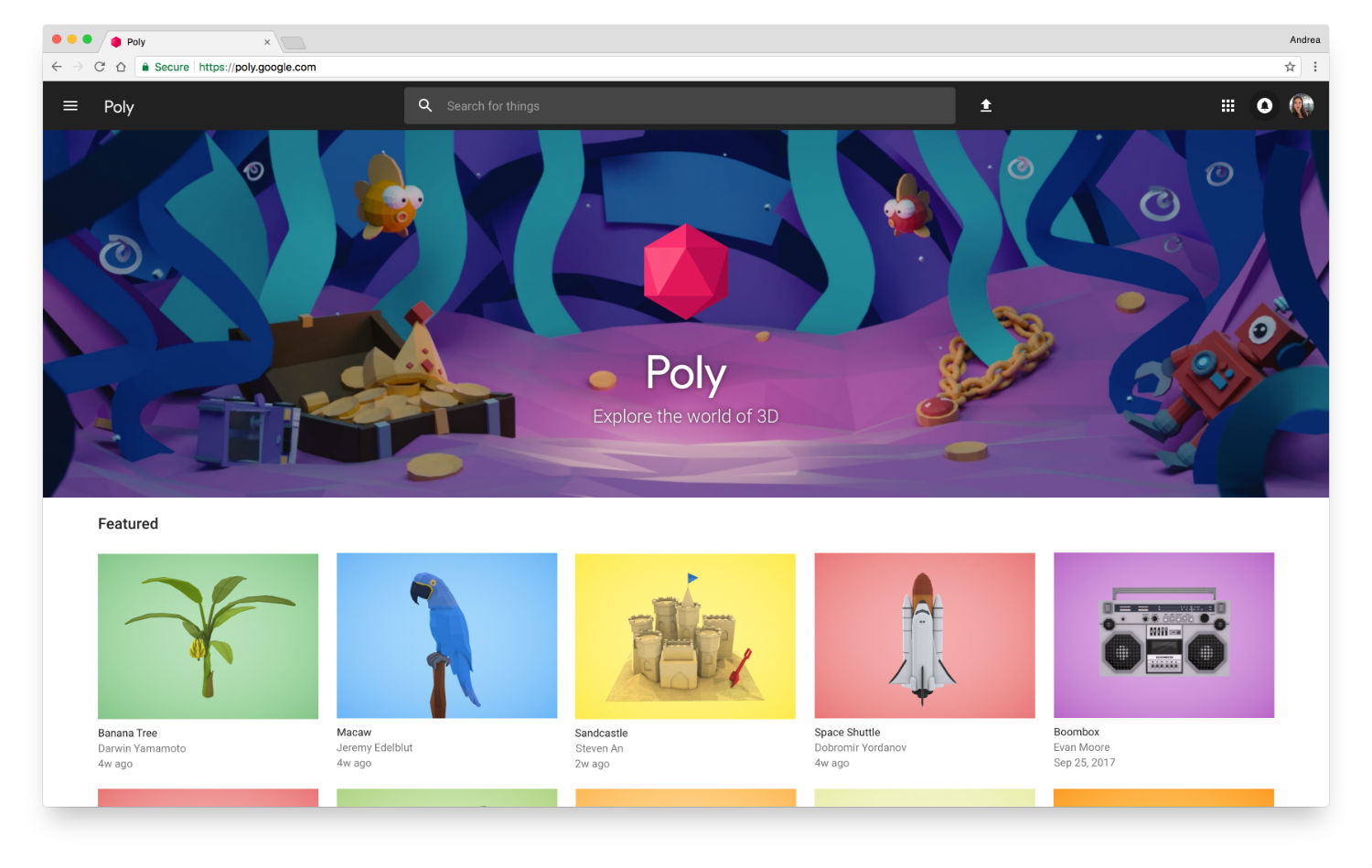 Google is launching Poly, a service with a growing library of free objects for creators to incorporate into their virtual worlds.
The repository immediately makes it easier for creators to publish their works from apps like Tilt Brush and Blocks, as well as find pieces to incorporate into their own designs. The service, however, is another piece of the puzzle as Google seems focused on a much grander ambition. Poly further positions Google to deliver foundational software and services that could one day open up 3D modeling and virtual world creation to millions of people through VR and AR.
There is no monetization built into the system yet, so creators can’t charge for their work.
But creators can also disallow remixing of their content too, turning the site into a read-only gallery or portfolio for their work.
See the full story here: https://uploadvr.com/poly-googles-foundation-building-virtual-worlds/
Nielsen Aims to Level Playing Field With New Netflix Ratings
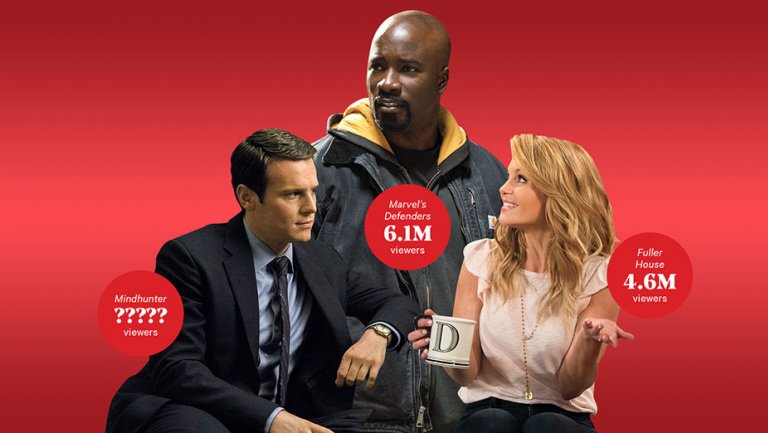 The curtain is lifting on Netflix's mysterious viewership data, so says Nielsen Media. The godfather of TV ratings recently launched SVOD measurement in earnest and plans to go out with viewership statistics on big-swing originals Mindhunter and Stranger Things 2 in the coming weeks as it courts additional clients to the new service.
Among those stats floating around are for House of Cards. Now set to end with its sixth season, the show had 4.6 million viewers for its May premiere by standards comparable with the live-plus-7 ratings window, according to Nielsen. Eight media companies, including Disney-ABC, NBCUniversal and Warner Bros., already are paying for those numbers — which, like traditional Nielsen measurements, come from audio codes within programming.
Agreements with Nielsen currently forbid it from going public with the data, but it's considered an inevitability. Ramifications could extend beyond the end of one of Hollywood's biggest mysteries. Originals' ratings data might influence talent contracts, and information on acquired series are expected to impact library deals for studios.
What's missing? Mobile, for one. That can account for as much as a third of viewing, and Nielsen's SVOD is only capturing its current sample's streaming habits on TV sets.
See the full story here: http://www.hollywoodreporter.com/live-feed/nielsen-aims-level-playing-field-new-netflix-ratings-1053578
‘EVE Valkyrie’ creator CCP has put its virtual reality plans on ice
- Icelandic gaming company CCP Games is shutting down two studios in the US and the UK.
- It said it plans to put its VR development plans on "ice" and focus more on mobile and PC games.
 A VR studio in Atlanta is being shut down, while another in Newcastle, UK, is being sold off. The latter spearheaded the development of "EVE Valkyrie."
Studios will remain in London, Reykjavík, and Shanghai and CCP is providing relocation opportunities or severance packages to some of the staff that are affected.
It was one of the first gaming companies to embrace VR with the launch of "EVE Valkyrie" in March 2016 and it writes on its website that it thinks the technology "will play an increasingly important role in gaming, and beyond, in the years to come."
"EVE Valkyrie" is played by a loyal fan base around the world and it is hailed as one of the best VR gaming experiences.
It was the game Oculus used as a demo for the Crystal Cove version of its development kit in 2014, before Oculus was acquired by Facebook.
See the full story here; http://www.businessinsider.com/eve-valkyrie-creator-ccp-has-put-its-virtual-reality-plans-on-ice-2017-10?r=UK&IR=T
HOW AI COULD (REALLY) ENHANCE IMAGES FROM SPACE
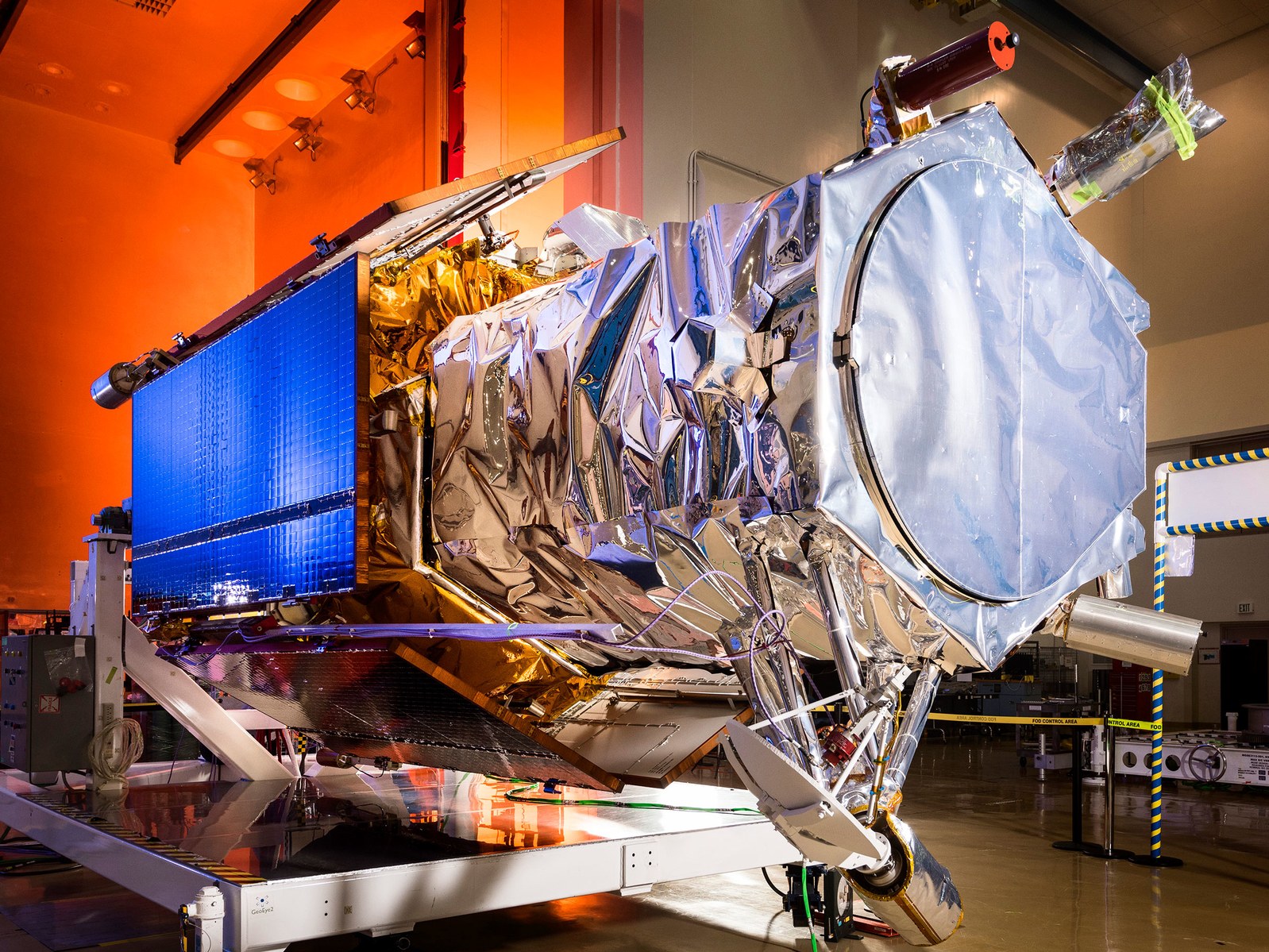 In the world of satellite imagery, there are a few kinds of players: the picture-takers, the sense-makers, and those who are trying to do both. DigitalGlobe, with its ever-increasing cache of high-def history, is the planet's lead picture-taker; Orbital Insight is one of the frontrunning sense-makers. And today, the two companies announced a new multiyear, multipetabyte partnership. Orbital Insight, in other words, has the keys to the time machine.
The "why now" of this partnership has a simple answer: The Cloud.
DigitalGlobe put its entire archive, all 100 petabytes of it, onto an unmarked semi-truck and sent it to the cloud-based Amazon Web Services. Now, Orbital Insight can access and analyze the images where they are—on the web—rather than waiting for them to arrive.
On Orbital Insight's menu are more stores, for car-counting; more oil tanks, to estimate crude supply; more mapping of poverty, so organizations like the World Bank know where to focus; and more tracking of deforestation, so algorithms can tell NGOs where to say, "Stop!"
See the full story here; https://www.wired.com/story/how-ai-could-really-enhance-images-from-space/
Microsoft Opens Studios to Produce Mixed Reality Holograms
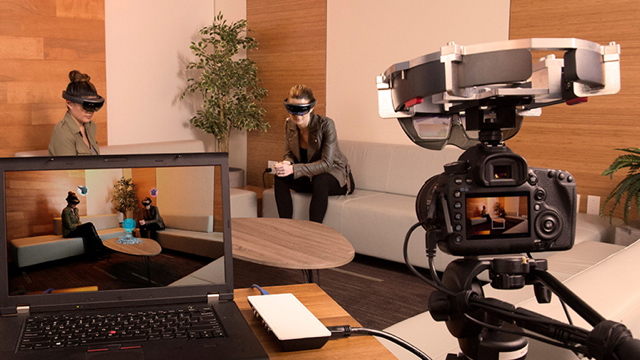 Microsoft is pitching its new mixed reality studios in San Francisco and London to developers and producers interested in creating holograms from real life objects. “Microsoft has been using its own studio at its Redmond headquarters to capture Buzz Aldrin, Reggie Watts, Max Frost, and Cirque Du Soleil performances and bring them into virtual reality and augmented reality holograms,” reports The Verge. The new studios will enable content creators to produce holograms for “regular 2D screens, a HoloLens device, or even Microsoft’s new Windows Mixed Reality headsets.” The company “is also expanding its Mixed Reality Academy program to San Francisco,” with workshops for “developing apps and experiences for VR and HoloLens headsets.”
See the full story here: http://www.etcentric.org/microsoft-opens-studios-to-produce-mixed-reality-holograms/
Using virtual reality to teach medical students empathy for elders
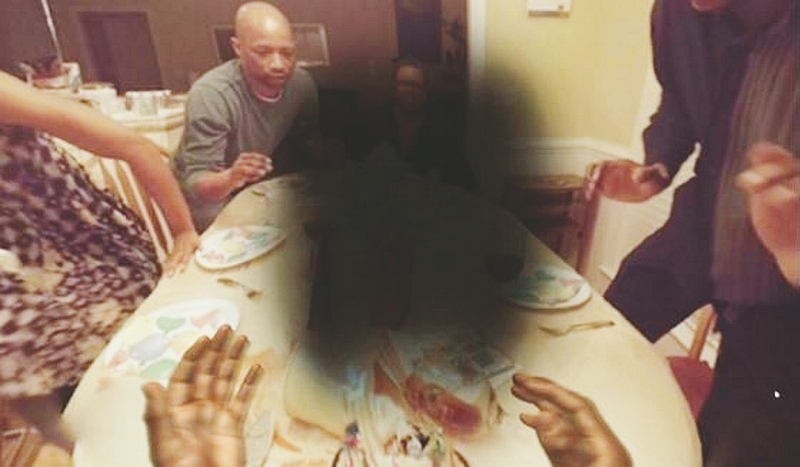 Alfred is an older man with macular degeneration, hearing loss and some mild cognitive issues. He's celebrating his 74th birthday with his family, but they treat him more like a 7-year-old.
He spills his wine and thinks he hears his family say something about a doctor, but their voices are muffled. He turns his head to the side to get a full look at his daughter's face because the macular degeneration has caused a big, black circle in the center of his vision.
His mind wanders to a mountaintop where he picks flowers and throws them off the edge. Soon, he's at a doctor's office being evaluated.
Alfred is not the patient, however. He's a teacher.
"We are Alfred" is a pioneering virtual reality program where students don a headset to experience first-hand what it is like to be an older adult living with these common conditions.
Students at the University of New England College of Osteopathic Medicine in Maine - the state with the oldest population in the country - are among the first in the world to use this program as a means to learn empathy for their patients.
The students become Alfred for just over seven minutes, seeing the world through his nearly blind eyes and struggling to hear as the family sings "Happy Birthday." The way family members treat Alfred sticks with students, which they said they will remember when treating older patients.
Rocheleau said the experience was surprisingly emotional, making him feel "alone and saddened."
"Others within the story were not aware of what I was going through, and I think that made me feel that sense of being alone," he said. "The interactions I had with the folks in the story were one-sided, people talked down to me and at me. I never felt part of the conversation."
See the full story here: http://www.unionleader.com/silver-linings/Using-virtual-reality-to-teach-medical-students-empathy-for-elders-10292017
‘Gruesome’ app is like Pokémon Go for murders
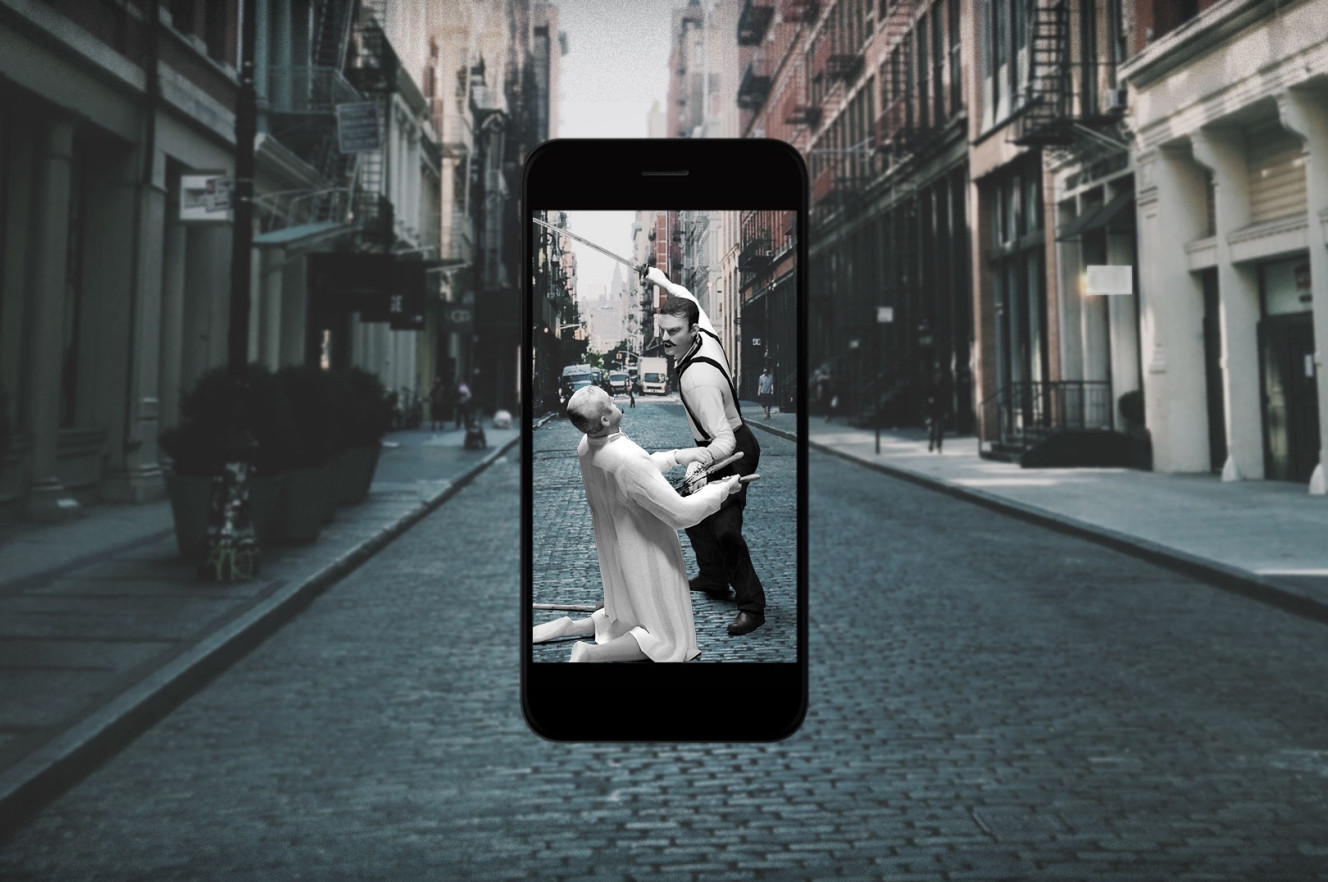 Rolled out in time for Halloween, Gruesome Gotham transports users to the grisly crime scenes of six salacious slayings committed on the streets of Victorian-era New York City.
“You see the actual murder scene, with a spooky voiceover narrator, explaining the act of the crime,” said Emily Hom, spokeswoman for Tribeca-based Firstborn, which developed the augmented-reality app. “We chose real crimes that pop visually.”
The dirty deeds include:
- The 1895 demise of Domenico Cataldo, who had his throat slit by scorned lover Maria Barbella at the Little Italy Saloon on Mulberry and Broome. The doomed Cataldo, unable to scream for help, staggered down the street, choking on his own blood.
See the full story here: http://nypost.com/2017/10/28/gruesome-gotham-app-is-like-the-pokemon-go-of-murders/