Facebook now has technology for manipulating live videos
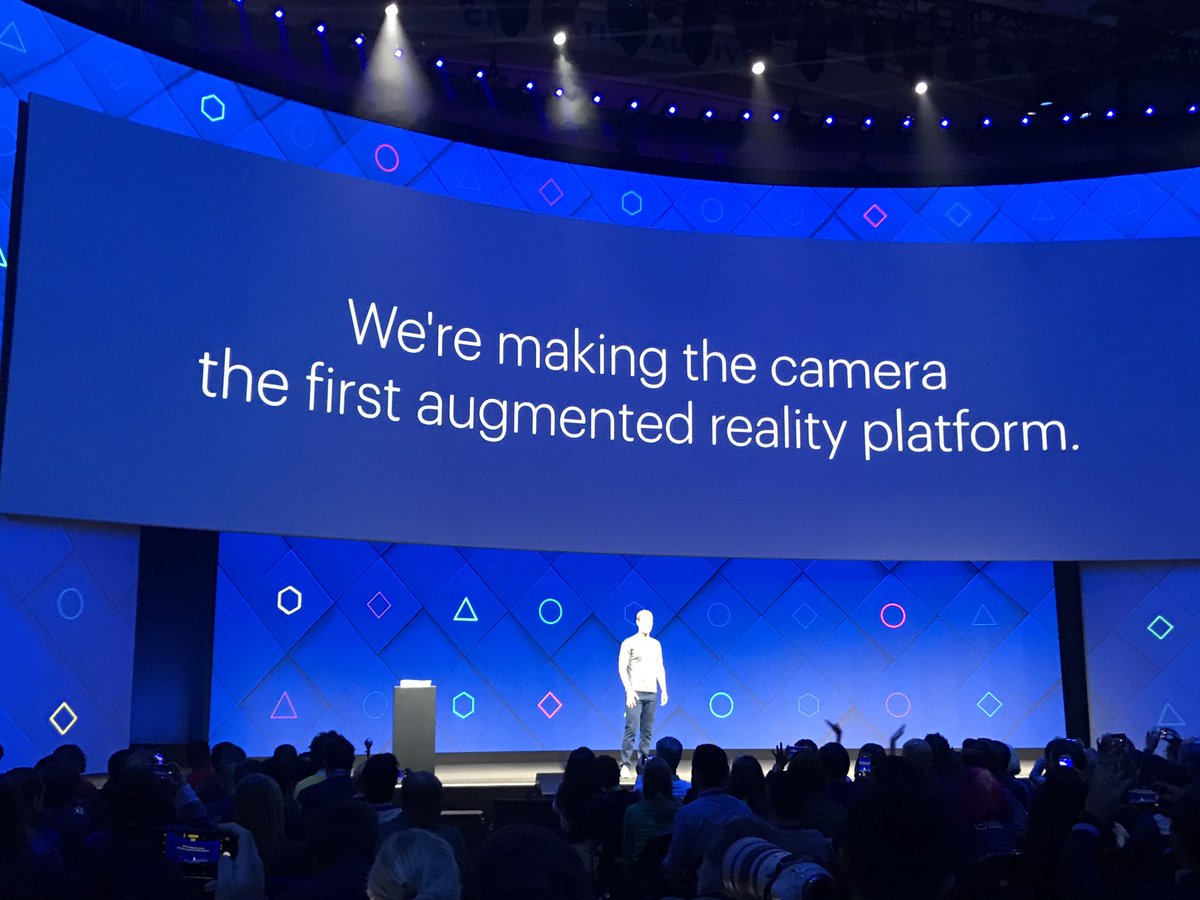
 Facebook recently bought a startup with an expertise in video manipulation, Deutsche Startups reported. The German-based startup Fayteq has software that is able to remove or add objects in videos, even live ones, and add effects to them.
The company offers "innovative technologies in the area of off-line and real-time video manipulation, removing the border between reality and fiction," described Siegfried Vater, an investor and partner of Fayteq, according to TechEu.
See the full story here: http://mashable.com/2017/08/11/facebook-fayteq-video-manipulation-fake-news/#UU_X.5l5qZqs
Samsung and Live Nation to Stream Coldplay’s Chicago Concert in Virtual Reality
 Samsung and Live Nation will broadcast Coldplay’s “A Head Full of Dreams Tour” live in virtual reality from Chicago’s Soldier Field on August 17, starting at 9:30 pm ET.
Fans using Samsung Gear VR in more than 50 countries will need a Gear VR headset with a compatible Samsung smartphone, and navigate to the Samsung VR service. A concert replay will also be available on Samsung VR for a limited time.
See the full story here: http://variety.com/2017/digital/news/samsung-live-nation-to-stream-coldplays-chicago-concert-in-virtual-reality-1202520622/
Hollywood’s favorite video-editing tools arrive in a free app
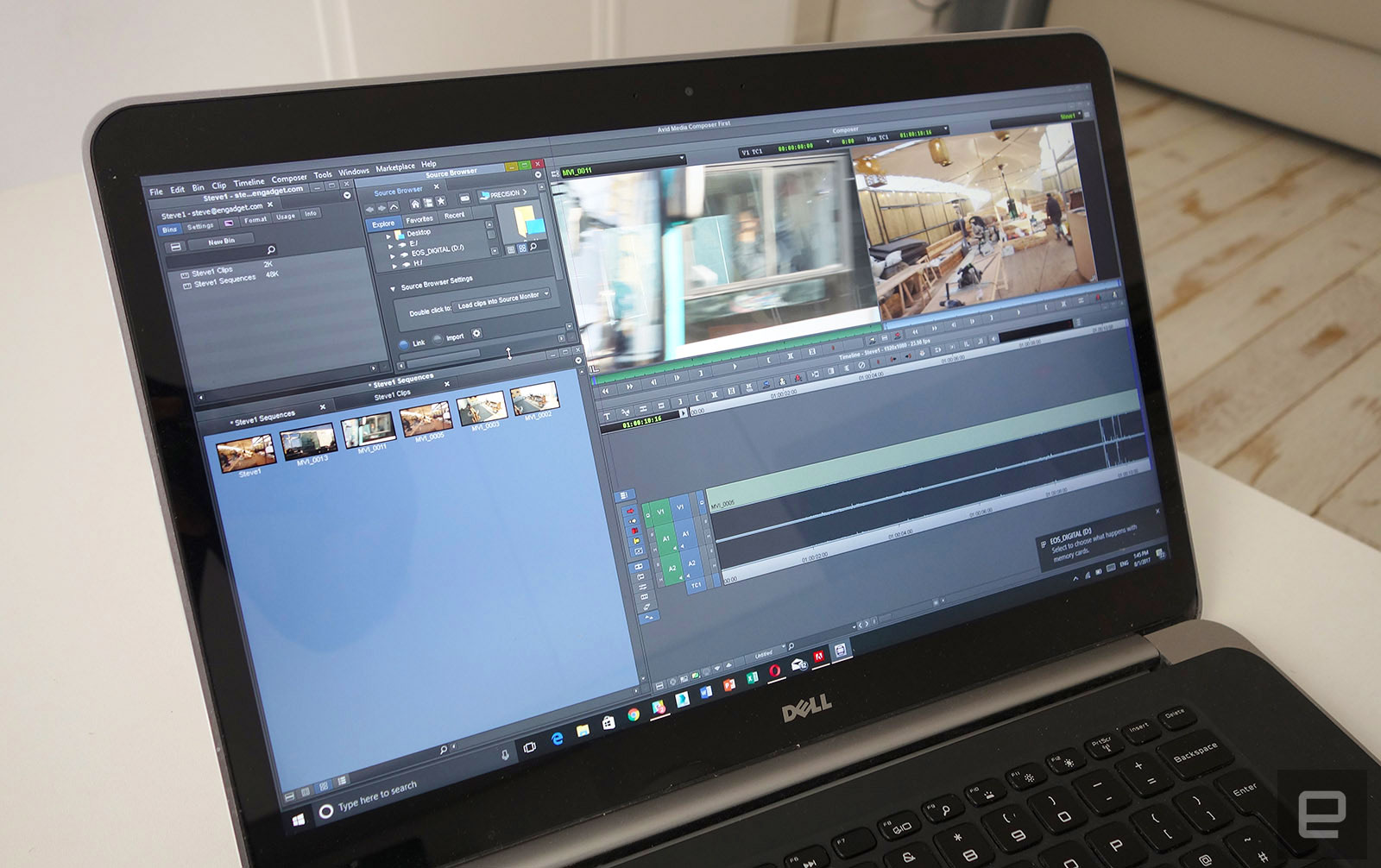
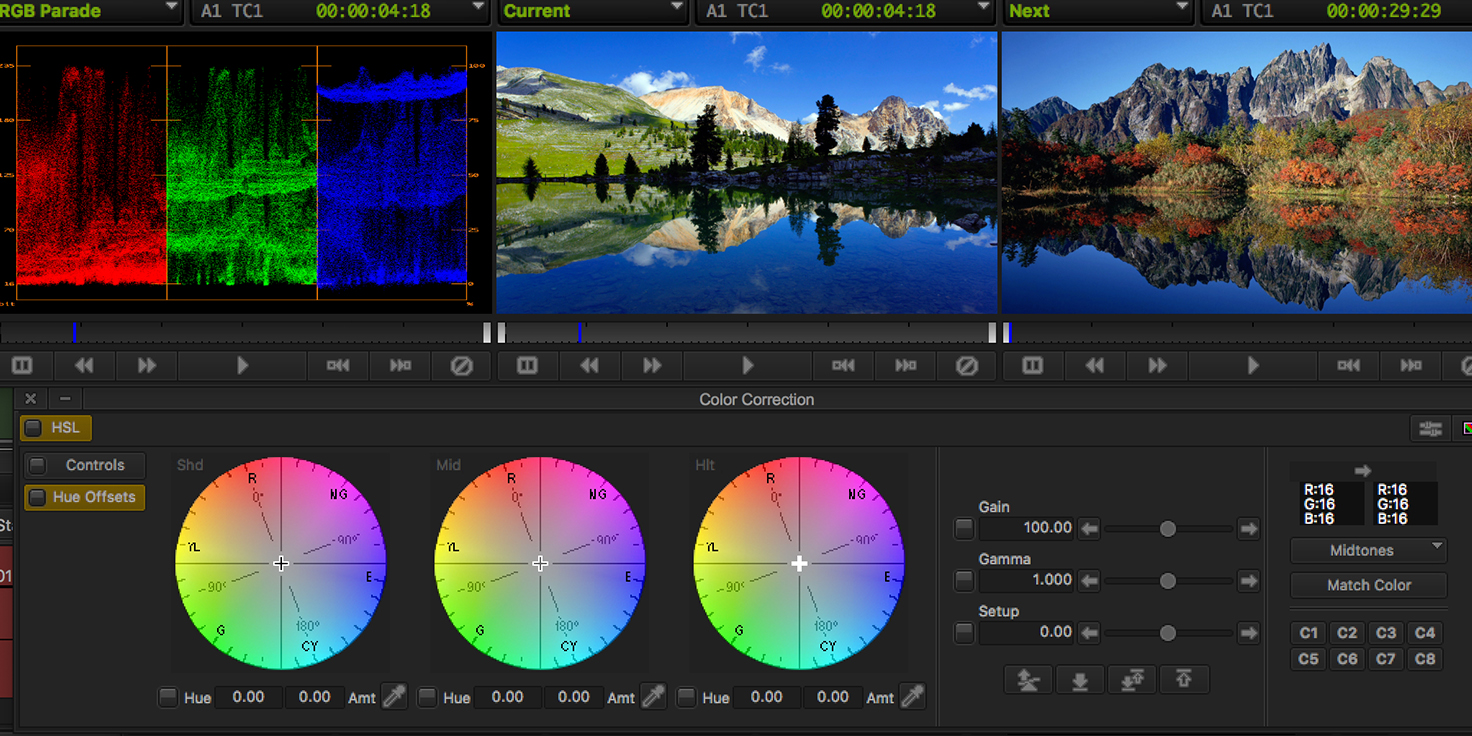
 The new free version, Media Composer First, mirrors Avid's expensive software in most ways that count. "We've been showing Media Composer First to Hollywood film and TV editors, and they all asked the same question: 'What isn't in Media Composer First? This works just like my Media Composer,'" Avid's Matt Feury told No Film School.
However, it has limitations that could give you pause, especially if you work with high-res video or a lot of video and audio tracks. You've got just five bins, four video tracks and eight audio tracks to work with, and exports are limited to Quicktime H.264 or DNxHD (an Avid format) at 1080p 59.94 fps max -- so no 4K. Almost any type of input footage, including 4K or UltraHD is allowed, however.
If you're a film student or enthusiast and thinking about becoming a professional film editor, then you really need to consider getting MC First. With few exceptions, most film and television shows are cut on Avid because it can easily handle and share complex video and audio assets and even sync up scenes with lines in a script (the latter option isn't available in MC First).
In my estimation, anyone that masters Avid's free editor will have a very short learning curve to the paid app.
See the full story here: https://www.engadget.com/2017/08/01/Avid-Media-Composer-First-free-app-hands-on/
SURVIVING AS AN OLD IN THE TECH WORLD
 Let the young people do it: I understood immediately. In this moment, she and I were mature stewards (she’s about 15 years younger, by the way) looking across a verdant landscape of young employees. We two could share a grown-up understanding that the way forward was to give these up-and-comers every chance to learn and grow. As I recall, my reaction at the time was a mental shrug: Yep, that’s how it is.
I’ve thought about that brief exchange a lot since—and it was in no way particular to Google.
See the full story with advise bullets here: https://www.wired.com/story/surviving-as-an-old-in-the-tech-world/
Stanford AI researchers make ‘socially inclusive’ NLP using Urban Dictionary and Twitter
 Stanford University AI researchers have created a “socially equitable” natural language processing (NLP) tool they say improves upon off-the-shelf AI solutions used today that fail to account for things like regional dialects, slang, or the natural way people talk when they regularly speak more than one language.
In a paper published late last week, researchers found Equilid to be more accurate than commonly used identification tools like langid.py and Google’s CLD2. Popular language identification tools, the paper argues, draw on a “European-centric corpora” of the written word, as well as websites, Wikipedia, and newswires, methods that may not best represent the way people actually talk.
The report finds that more effective identification of language in underrepresented dialects could “help reveal dangerous trends in infectious diseases in the areas that need it most.”
“Flu tracking, election predictions, anytime you’re trying to do social sensing or you want to use social media to predict outcomes, that’s kind of where we see our application having the biggest impact,” lead author David Jurgens told VentureBeat in a phone interview.
AI trained with slang
To make Equilid work, language and text were drawn a variety of sources, like European legislation and Wikipedia, but also Urban Dictionary, conversations about articles in the Talk section of the Wikipedia website, and African American Vernacular English, also known as ebonics. Interpretations of the Bible and Quran were also used; the Watchtower magazine from Jehovah’s Witnesses, which is translated into hundreds of languages, was also a rich resource.
By far, Jurgens said, the majority of language used to train Equilid and strengthen its ability to recognize specific geographic regions came from Twitter. Equilid draws upon language from nearly 98 million tweets from 1.5 million users in 53 languages.
Equality through accuracy
The goal with Equilid, Jurgens said, was not just to make a more socially equitable product, but to improve the accuracy and overall quality of NLP.
See the full story here: https://venturebeat.com/2017/08/08/stanford-ai-researchers-make-socially-inclusive-nlp-using-urban-dictionary-and-twitter/
USC gets inside Sam Darnold’s head with virtual reality film study
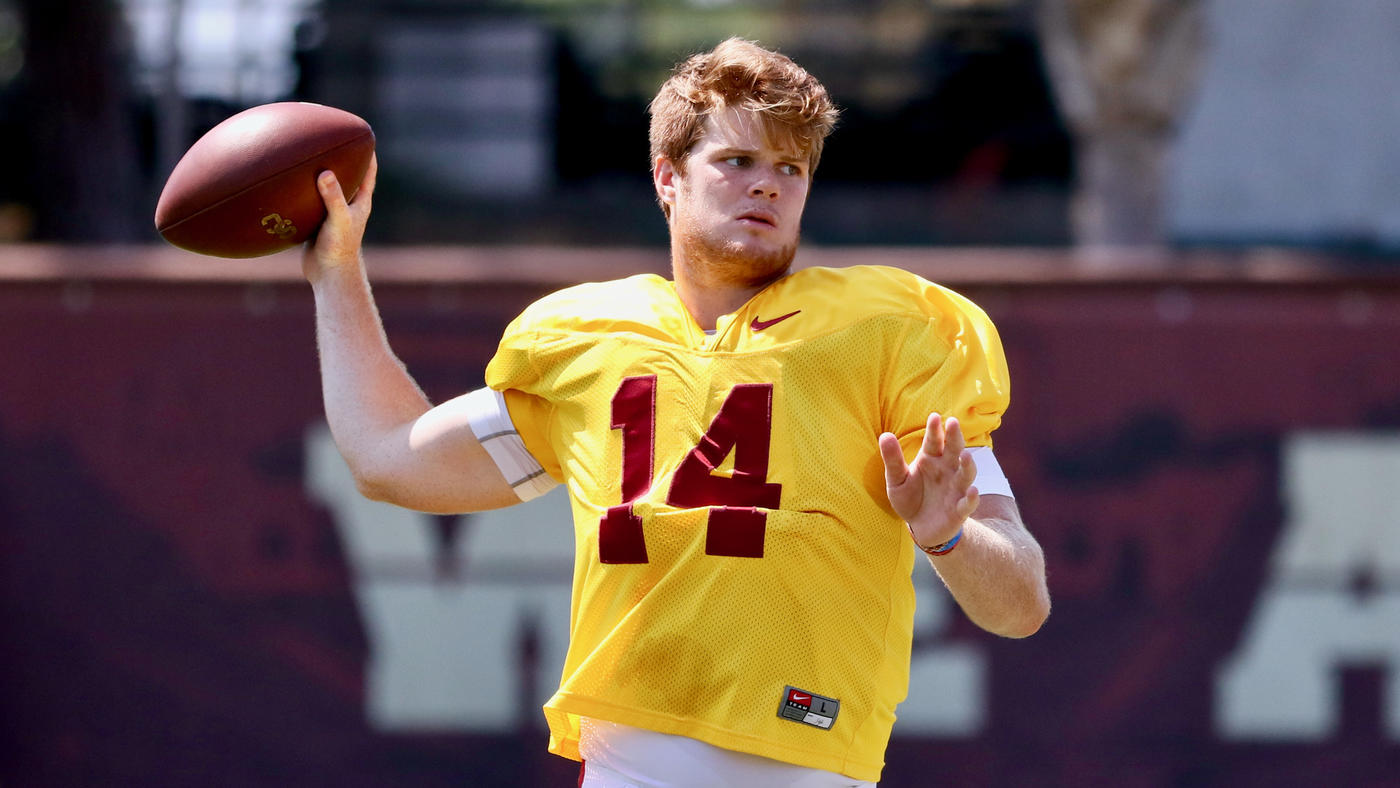 At each practice this season, a student trails the quarterbacks holding a long boom topped with cameras pointing forward and back. The student holds the boom a few feet above the quarterback’s head. Within an hour after practice, the quarterbacks can don the headset (or watch on an iPad), cue up each play and look around in 360 degrees as if they were back out on the field.
The Trojans have joined a growing number of teams chasing a technological advantage. Stanford, with the company STRIVR, pioneered virtual-reality film study three seasons ago. XOS Digital, USC’s vendor for all video, said it counted 25 virtual-reality clients in college and professional football and basketball.
See the full story here: http://www.latimes.com/sports/usc/la-sp-usc-football-20170807-story.html
Augmented reality may revolutionize Army training
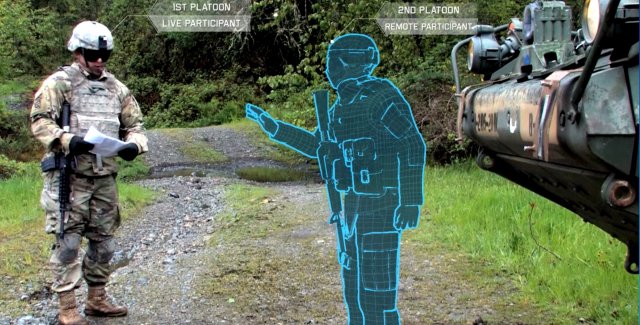
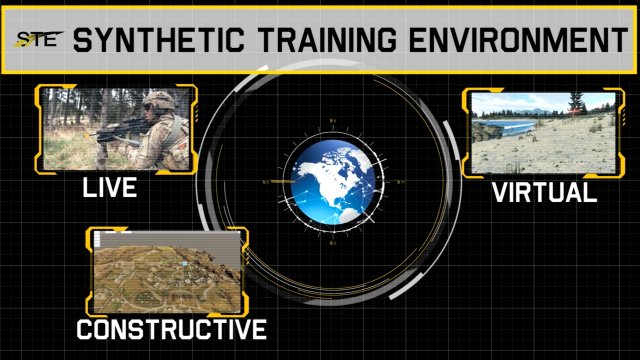 A joint effort between the U.S. Army Research Laboratory and several entities -- University of Southern California Institute for Creative Technologies, Combined Arms Center-Training and Program Executive Office for Simulation, Training and Instrumentation -- are working to research, prototype and eventually deliver the Synthetic Training Environment, otherwise known as STE.
See the full story here: https://www.army.mil/article/191942