Imax brings virtual reality to movie theaters
I mustered the courage to test out the Mummy Prodigium Strike VR option, despite popular belief that this demo (held in a small cubicle called a "pod") was the scariest one there. I'm usually the one laughing during a scary scene, but as screaming zombies, giant spiders and herds of crows started coming at me at super speed from every angle, I let out more yelps than I'd care to admit and found myself clutching my headset just to remind myself that it's only a game.
 I also couldn't help but wonder how strangely funny I looked to the outside world and what my closest friends would be doing in these moments. I'd bet they'd most definitely be pulling out their phones ready to capture me in entertaining action.
That's exactly what Imax CEO Richard L. Gelfond says he had in mind with these Imax VR centers, intending to make it a social experience that can be enjoyed by people both inside and outside of the game. That's the difference, according to him, between the Imax experience and setting up an HTC Vive at home, which can play most of the same games, but costs an substantial amount to set up. In Eagle Flight Multiplayer, you can be a bird flying over Paris while your friends joke about your bizarre head and arm gestures as they wait for their turn.
The VR arcade is currently only available in Los Angeles and New York locations, but 10 pilots are expected to launch by the end of the year in Imax movie theaters.
See the full story here: https://www.cnet.com/news/imax-brings-virtual-reality-to-movie-theaters/
Doug Liman Goes VR With ‘Invisible’: “I Thought People Could Do Better”
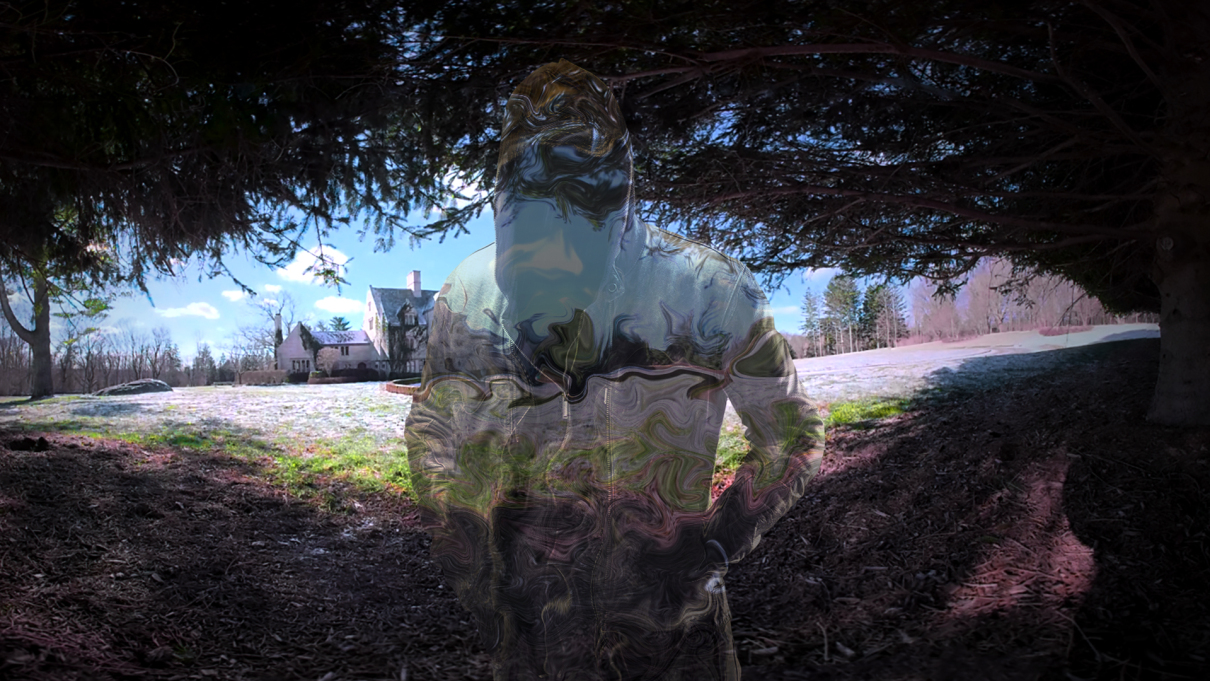 With Invisible—his latest project from Conde Nast Entertainment, Samsung and VR firm Jaunt—the Bourne Identity and Edge of Tomorrow helmer continues to push boundaries and question established procedure, entering the world of virtual realitywith a bang and a lot of action, and demonstrating that the much-discussed, burgeoning medium need not be reduced to a mundane, aimless panorama.
Speaking with Deadline, Liman touches on his proclivity for “immersive storytelling,” the low bar that has been set with VR, and the “Holy Grail” he is chasing after in the medium.
...
There’s some really boring VR content out there. It’s like watching a PBS videotape of a boring play. You’re like, “Cool! I can look at the ceiling and the wall, in case the main performance isn’t boring enough.”
...
I discovered almost immediately that the bar for Melisa and her writing is so much higher because you have to hook an audience way more quickly, because part of VR’s appeal and the way it works is that the audience has to want to follow the story. Then, they enjoy hunting to find the breadcrumbs you left them. They love exploring the world, but they have to want to explore it.
...
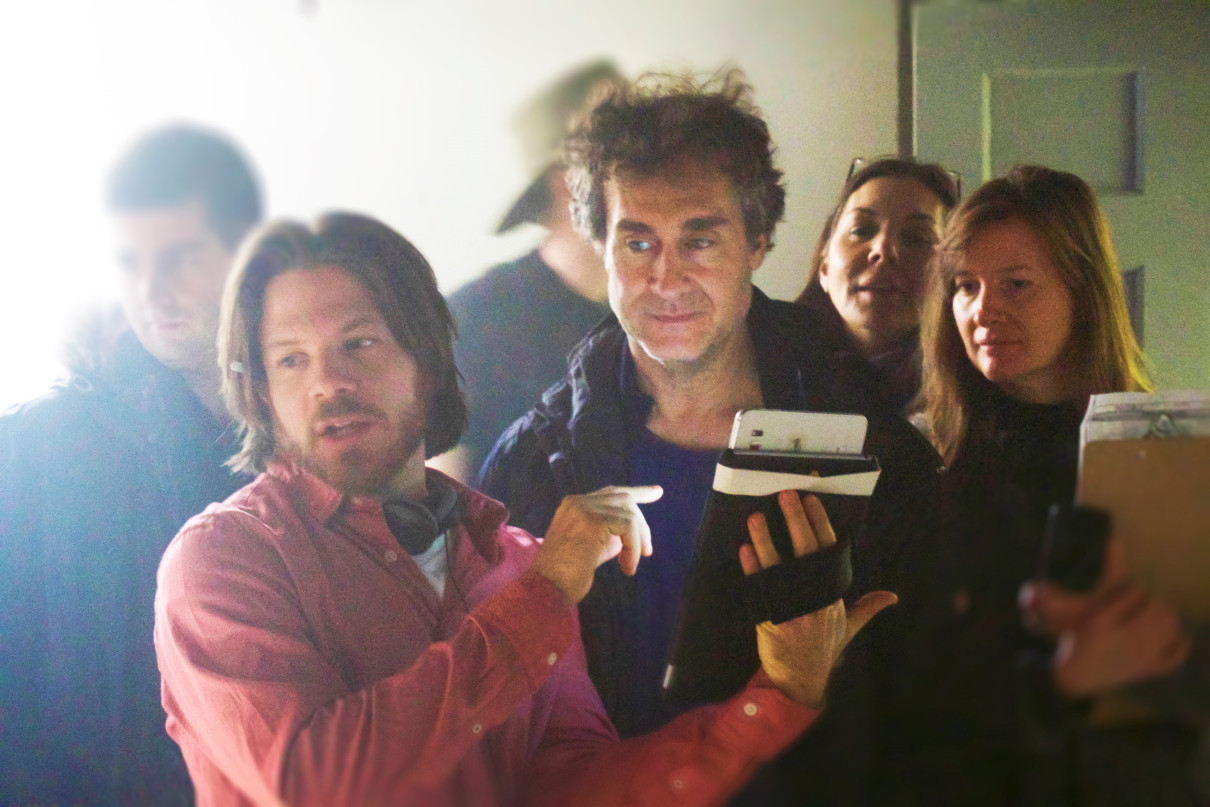 I selected Invisible as the story I wanted to tell in VR because it does have effects and it does have action. The reality is, it was shockingly hard to do the action. I was working with [director/stunt coordinator] Simon Crane, who’s done a number of films with me. He’s at the top of the field in action directing, and I’m excited for the next one we do because of how much we learned.
... Those of us who grew up when movies were made on film are used to shooting and waiting to see the results, and a modern filmmaker is used to seeing results immediately. ... In VR, there’s a lot of looking at the elements that are going to go into it, and then having to imagine what it’s going to be like when it’s all put together. Especially when you get to visual effects, sometimes you don’t to get to see it until a month later.
The audio is so complicated. ... VR was the same way, where mixing the sound is so complicated that when you’re doing the stitching of the picture, you have a lousy soundtrack that you’re working with, and then separately, over here, you have great sound, but you have no picture to go with it, and it’s not till it’s all done and it’s too late to make any changes that you finally see the sound and the picture married.
Has it been heartening to see the conversation shift over the course of this past year, with the success of your series and Alejandro González Iñárritu’s Carne y Arena, which lit up Cannes?
Filmmakers feed off each other, even if we don’t know each other.
See the full story here: http://deadline.com/2017/06/invisible-doug-liman-conde-nast-virtual-reality-emmys-interview-news-1202109737/
Step inside Butterfly’s house in virtual reality opera night
 Welsh National Opera’s virtual reality experiment – Magic Butterfly– is installed in a shipping container, and will allow visitors to step inside scenes from two operas, Mozart’s The Magic Flute and Puccini’s Madam Butterfly.
The experience, created with Google Daydream technology, will open in Cardiff on 14 July before touring to Birmingham, Liverpool, Llandudno and London through the year.
See the full story here: https://www.theguardian.com/culture/2017/jun/11/art-culture-technolgy-3d-virtual-reality-cannes-opera
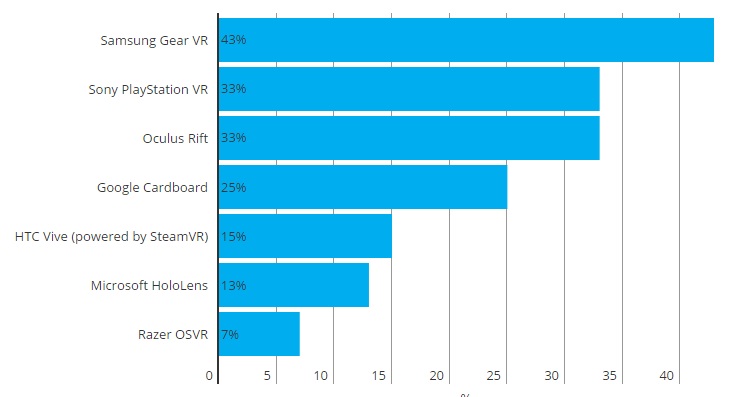
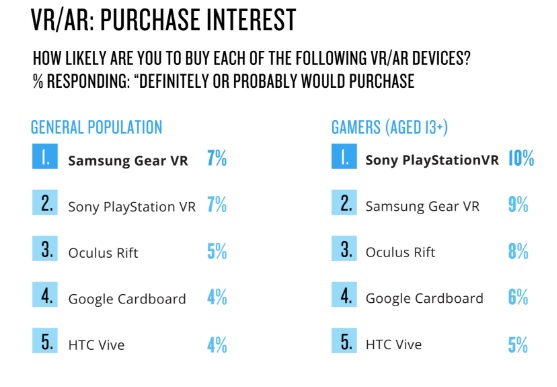
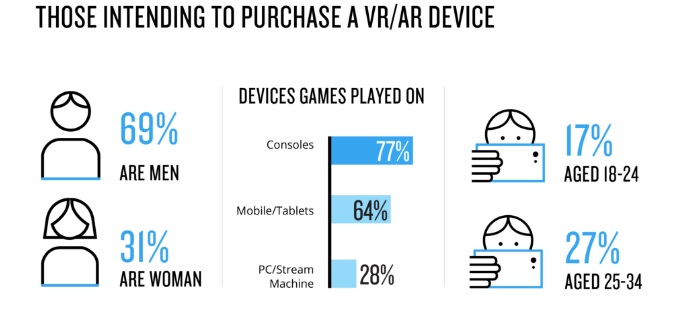
Mkt Res – Public VR Awareness Almost Doubling Annually with PSVR & Gear VR Leading the Way
See the full story here: http://www.roadtovr.com/report-vr-nielsen-report-awareness-almost-doubling-annually-with-psvr-gear-vr-leading-the-way/
Awareness among the general population over 13 yrs old
. Awareness among gamers over 13 yrs.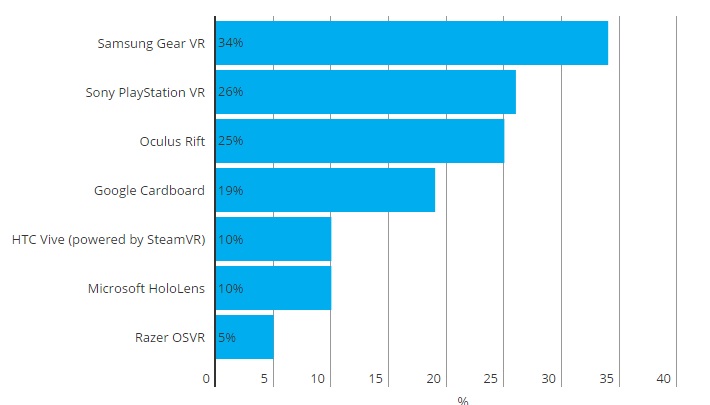
Meet Binky, the anti-social media simulator
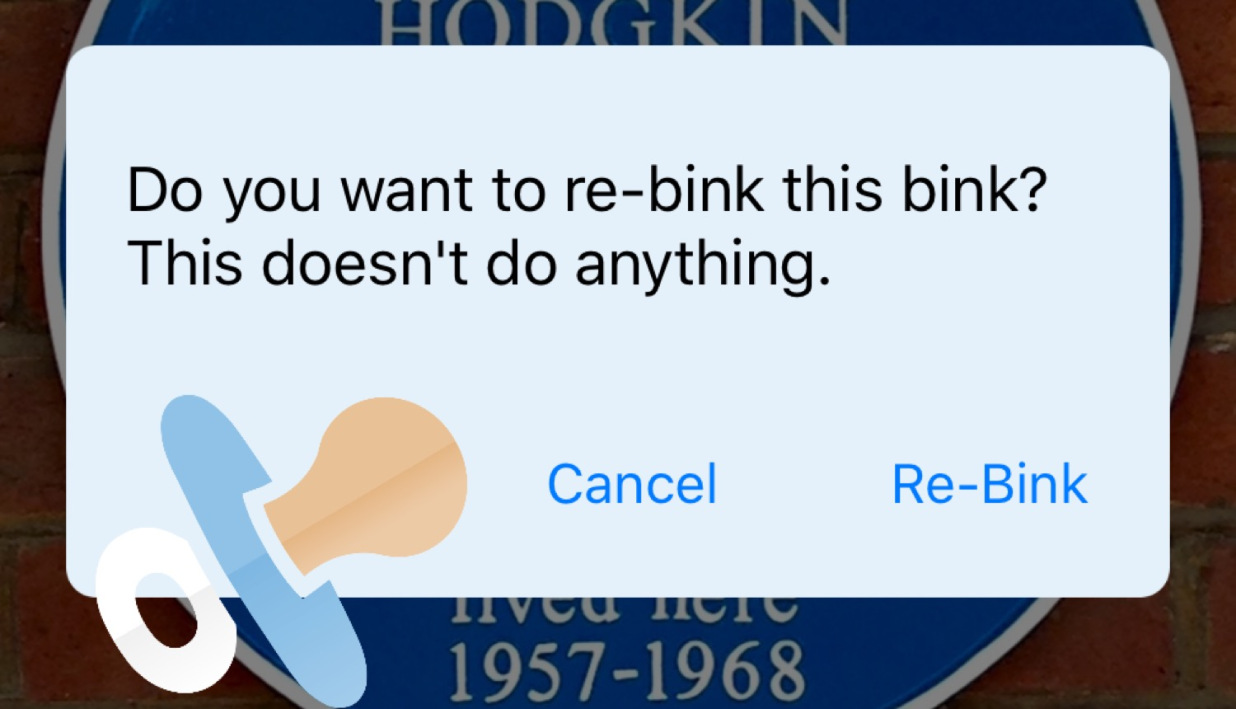 Binky gives you a social media feed to interact with. Posts are called Binks. You can comment on stuff, you can like the things you enjoy, you can even re-Bink things. You can even swipe right and left on stuff, if that’s your preferred UI for expressing your desires or hang-ups.
The twist is that nothing you do makes it out into the real world; all your liking, re-Binking and swiping is completely, utterly, unavoidably futile. It’s kind of like being in space, where nobody can hear you scream.
“It started out as a joke,” Dan Kurtz, the app’s creator says.
“As soon as I started showing it to people, they said it felt a little bit like a nicotine patch for social media,” Kurtz said. “I put it out on the app store, and then the guy who made Cow Clicker — itself a satire on Farmville — ended up writing an articleabout it, and the rest is history.”
The app is free on iOS, and Kurtz suggests that an Android version is in the pipeline.
See the full story here: https://techcrunch.com/2017/06/10/binky/?ncid=tcdaily&utm_medium=TCnewsletter
(Jaunt story) Disney and other media giants are betting VR is the next big play in entertainment
 Backed with nearly $101 million in venture capital, Jaunt has built a library of nearly 300 pieces of mostly short-form VR content that includes a 360-degree view of a concert by former Beatle Paul McCartney, a panoramic of "The Lion King" on Broadway and a bullet-splattered "Escape of the Living Dead" video segment.
...George Kliavkoff, the former NBC Universal and Hearst executive who joined Jaunt in September as its president and chief executive.
Jaunt co-produced "Invisible," a six-part supernatural drama series created by "The Bourne Identity" director Doug Liman's 30 Ninjas company that premiered on Samsung's VR service before being shown on Jaunt's VR app, YouTube, Facebook and co-producer Conde Nast's "The Scene" digital video platform. "Invisible" tells the story of a powerful New York family with the supernatural ability to make themselves invisible.
In January, Jaunt announced a slate of five new series to be produced at its 10,000-square-foot Santa Monica, California, studio, including a six-part stoner comedy series "Bad Trip" and a series based on the 1992 cult horror movie "The Lawnmower Man." Klaivkoff won't say when the shows will be making their debut.
Kliavkoff says Disney, which in September 2015 led Jaunt's $65 million Series C round, will soon offer its fans a 360-degree online trip to Pandora, the mythical planet in James Cameron's film "Avatar," which is also the backdrop for the media giant's new "Pandora—The World of Avatar" attraction at its Disney Animal Kingdom in Orlando, Florida.
Jaunt doesn't yet have a deal with IMAX. But it's venturing into China, the world's second-largest market, where its joint venture with China Media Capital and Shanghai Media Group will soon distribute more than 80 pieces of VR content, says Kliavkoff, including some from Jaunt's library.
Virtual reality is already taking hold in China. By 2020 the government's China Electronics Standardization Institute projects companies will be selling 55 billion yuan ($8 billion worth) of goggles, headsets and content in that country alone.
See the full story here: http://www.cnbc.com/2017/06/08/virtual-reality-startup-jaunt-to-shake-up-entertainment-industry.html
How to Prepare Your Content Strategy for Virtual Reality
 1. Focus on Immersive Storytelling
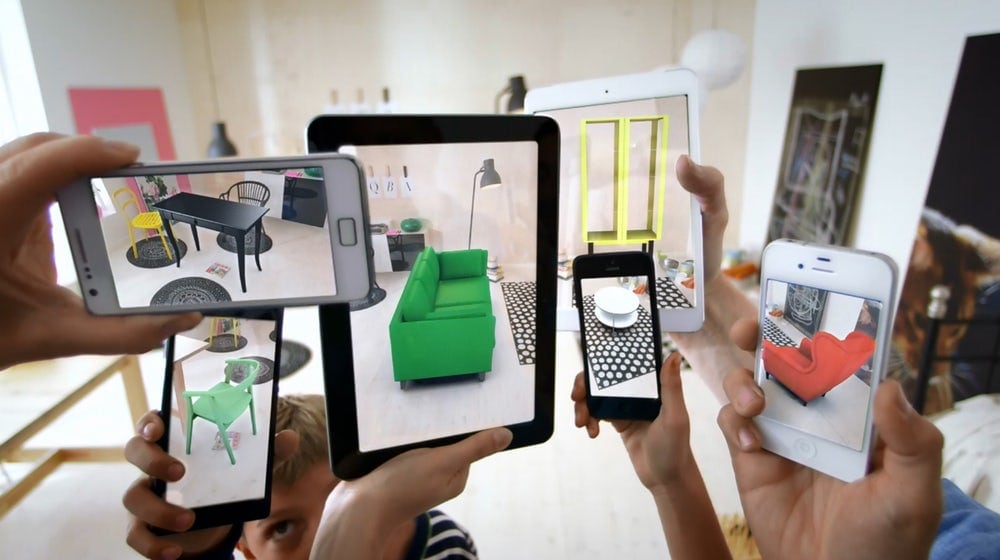
2. Encourage User-Generated Content
3. Bring the Product Right to the Customer
Only 6.3 million headsets were sold for home use in 2016. This number isn’t exactly enticing for marketers to create large amounts of space in their budgets to fund VR projects.
Although the numbers themselves aren’t super promising, the innovation of current VR marketing strategies proves it is going to be a major player in the future.
See the full story here: https://www.searchenginejournal.com/vr-content-strategy/200086/