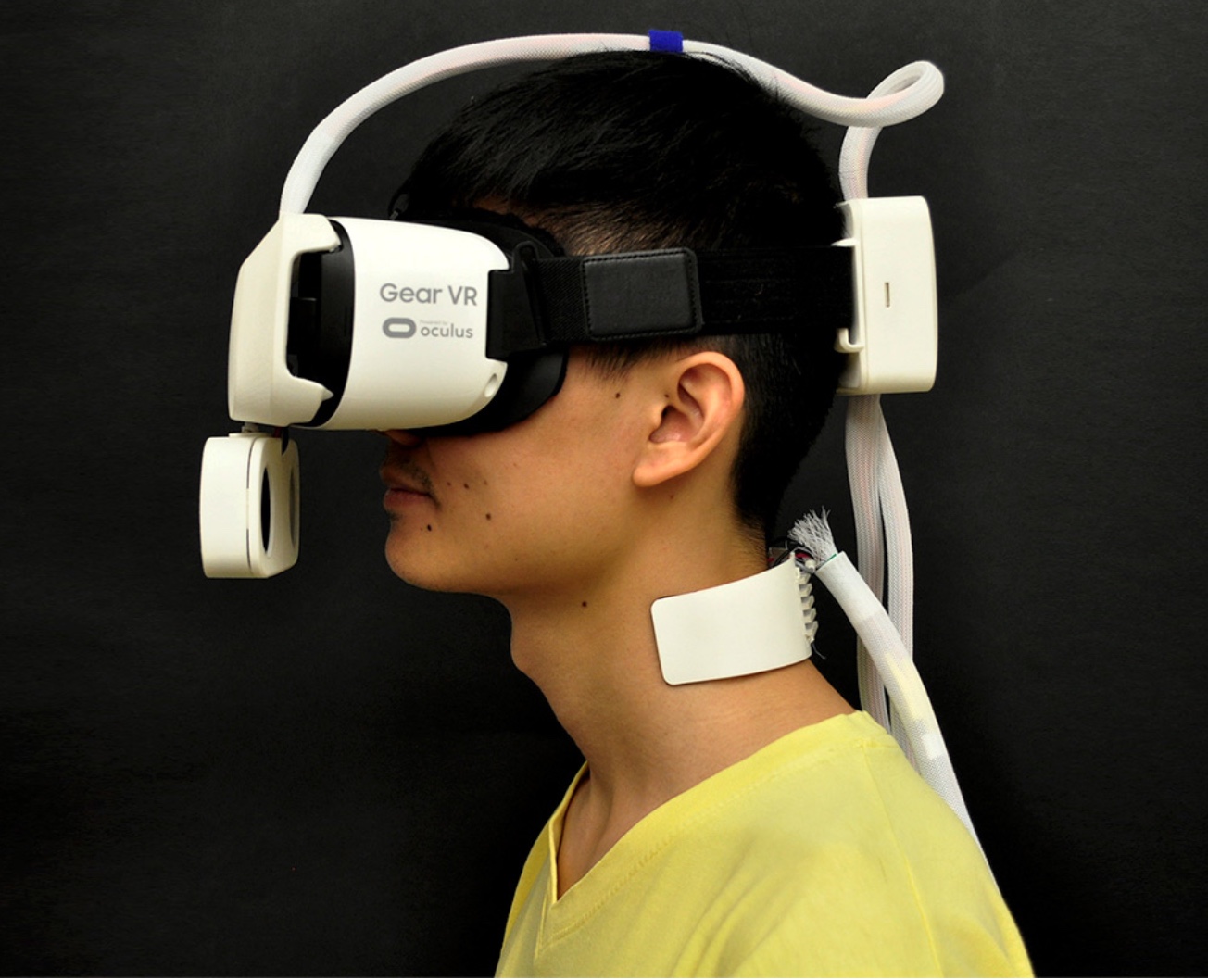
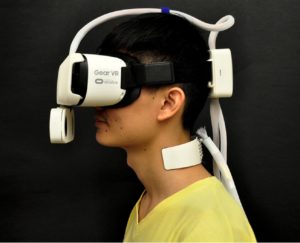
 Nimesha Ranasinghe at the National University of Singapore is working towards the ultimate VR experience. Last year, his team showed how electrodes can be used to add sweet tastes into virtual reality. His new accessory, called Ambiotherm, adds atmosphere into the mix as well.
Ambiotherm has two components that combine with a normal VR headset. The first is a wind module that contains two fans that clip on to the bottom of a headset.
The second is a temperature module that attaches to the back of the neck. “So when walking through a virtual desert, we can simulate the harsh sun beating down on you,” he says.
See the full story here: https://www.newscientist.com/article/2121145-virtual-reality-weather-add-ons-let-you-feel-the-sun-and-wind/

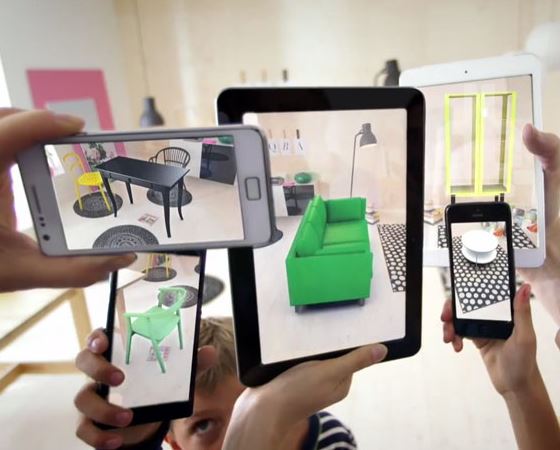
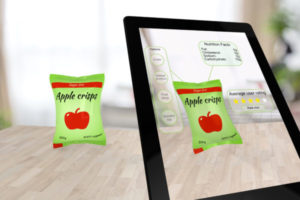 Peterson summarized a list of some of his favorite augmented reality apps. To see a full list of his resources organized by subject, visit his website.
1. Cyberchase 3D Builder: This geometry game is used for learning different geometric shapes.
2. The Brain AR App: Examines the layers of the head from skin, muscle and skull down to the inner areas of the brain.
3. Popar World Map: Explores famous landmarks, various animals, different cultures, and other world features
4. Horrible Hauntings: This companion app for the Horrible Hauntings book brings 10 famous ghosts to life (not suitable for younger students).
5. Amazing Space Journey: Students explore the solar system, sun, planets and satellites in detail. They also observe and learn about the planets’ position and orbit.
6. Anatomy 4D: This app provides an interactive 4D experience of human anatomy.
7. AR Flashcards: Letters are enhanced with animated objects beginning with those letters.
8. Shakespeare’s Globe 360: Students step inside the famous Globe Theatre and learn how it was constructed, what a visit there would have looked like years ago, and learn about theater life in that time.
9. Tour of the Nile: Students learn about the Nile River culture and can explore Egyptian archaeology and artifacts in 3D.
10. Quiver: Children create art, print it at school or at home, and watch it come to life.
11. Lunch Rush: Students use math and critical thinking skills to keep track of sushi in this game-based app.
12. Elements 4D: These augmented reality chemistry blocks come to life, and students can produce different chemical reactions by combining two elements.
 Even when the fetus is just 27 to 30 weeks old, the facial features are fully developed. So being able to see a 3D picture or touch what your baby's nose is going to be like, adds to the bonding experience.
The resin model costs $55, but packages go up to $125. It gave Borrego and Tapia the chance to catch details they couldn't see in pictures.
But how close does the high-tech rendering taken at 28 weeks resemble the real thing? Just hours after Miabella was born at Kaiser Baldwin Park, her parents did a real life comparison.
Side-by-side they saw the similarities. But even with all the preparation, nothing compared with seeing Miabella face-to-face.
See the full story here: http://abc7.com/health/3d-printer-makes-ultrasound-sculptures/1749158/
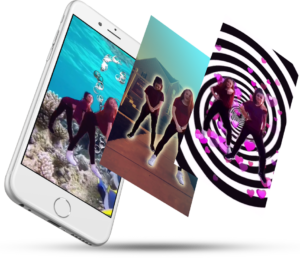 TIPIT’s technologies eliminate the difficulties for developers so they can design AR graphics without writing a single line of code.
Israeli augmented reality (AR) company TIPIT has raised $2.5 million in a seed financing round. With investment from Atooro Fund, TIPIT has developed a cross-platform engine aimed at innovating in the space of augmented reality (AR), which provides developers, cameras, and brands with a software development kit (SDK) of computer vision and AR technologies that increases platform users’ retention, engagement and boosts revenues at an affordable price.TIPIT has offices in San Francisco and Ra'anana. Developing graphics to interface with AR and image processing technologies is extremely difficult, but TIPIT’s technologies eliminate the difficulties for developers so they can design AR graphics without writing a single line of code. TIPIT not only offers their own graphics, but also software for customers to effortlessly design thousands of their own AR graphics and interface with the SDK.
TIPIT CEO Jonathan Rimon said, “TIPIT is the only true cross-platform in the AR world, providing the means to seamlessly create and integrate new graphics with customers’ products.
See the full story here; http://www.globes.co.il/en/article-israeli-augmented-reality-co-tipit-raises-25m-1001176693
From TIPIT's website:
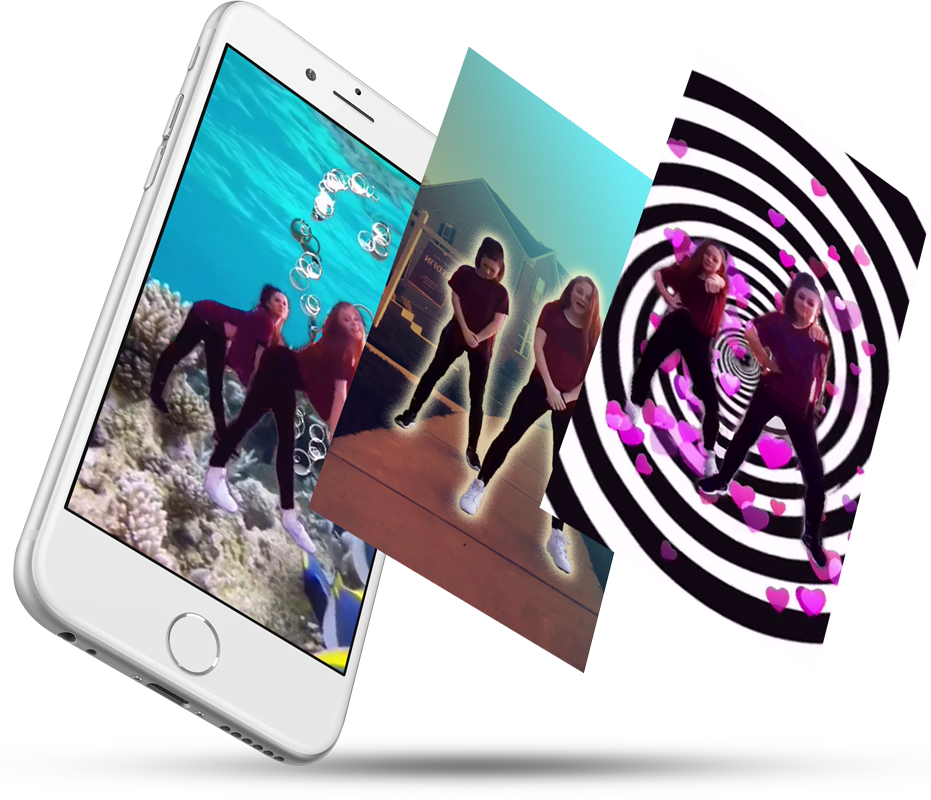
Tipit's full body effects and automatic green screen are the ideal features for any social network or messaging platform. Using deep learning techniques, we bring innovation to any platform out there, which can use our graphical engine to design a unique set of effects according to its user base needs.
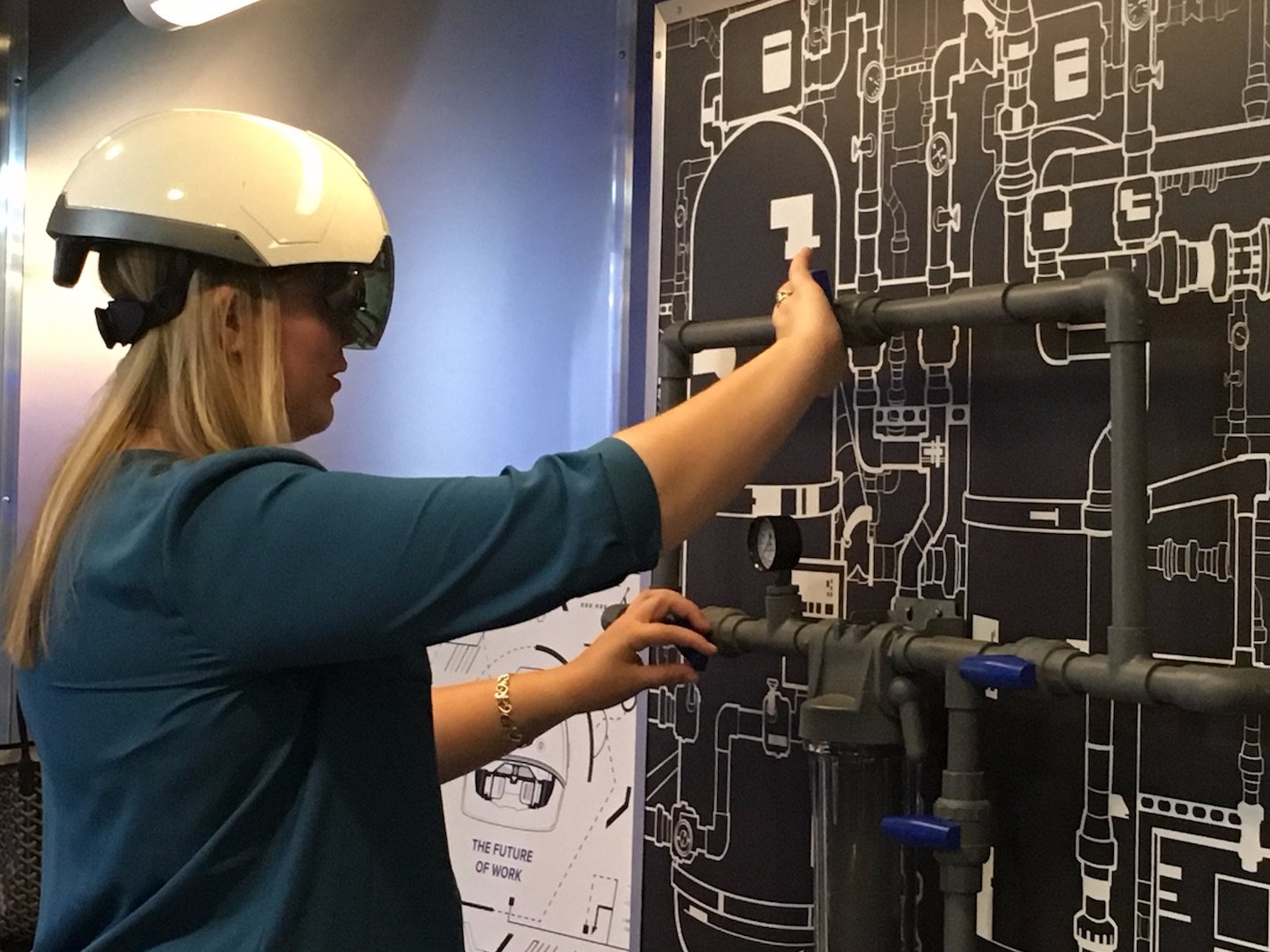
 Augmented reality helmet maker Daqri is cutting about 25% of its nearly 330-person-strong workforce worldwide, multiple people have told Business Insider, or about 80 people.
The workforce at its headquarters in Los Angeles and its Sunnyvale, California, offices were told of layoffs on Thursday and experienced the brunt of the layoffs, about 60 people, we understand.
People are now telling us that Daqri is also struggling to perfect and launch some of its promised products as well.
See the full story here; http://www.businessinsider.com/vr-company-daqri-is-laying-off-staff-worldwide-2017-2
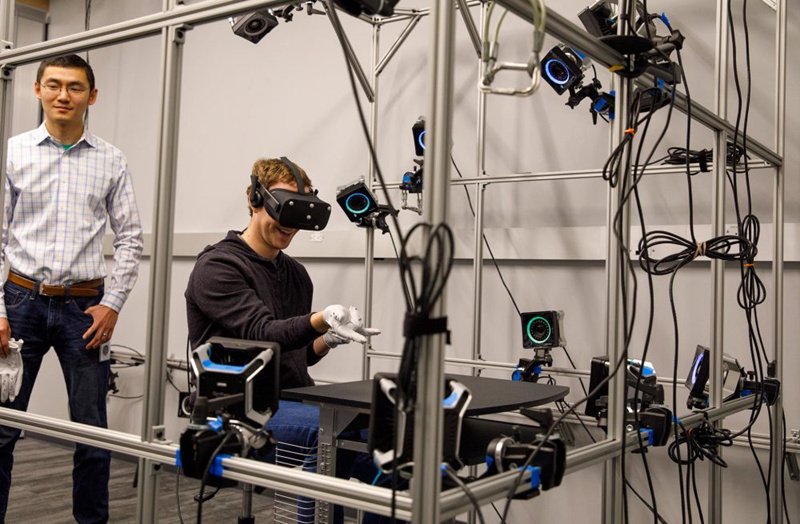
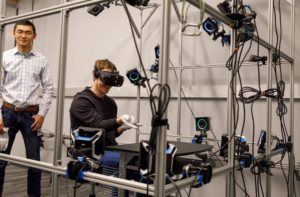 The gloves appear to attach wirelessly to an Oculus VR headset which projects images to people as they move the gloves in real-time, and can help users type in thin air.
He experienced the high-tech vision in a Facebook-owned VR company’s research lab in Washington, where a team led by chief scientist Michael Abrash works on next-generation hardware.
See the full story here; http://technology.mb.com.ph/2017/02/11/zuckerberg-reveals-high-tech-oculus-gloves-designed-to-touch-the-virtual-world/
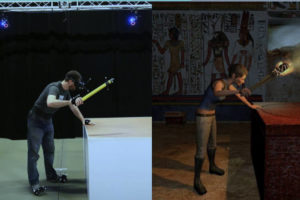 A new venture backed by three studios and director Steven Spielberghas raised $11 million as it aims to launch its first VR storefront at a Los Angeles mall this fall with plans for a wider rollout next year.
Dreamscape Immersive will feature original VR experiences and ones tied to major film franchises, said co-chairman Walter Parkes, a former DreamWorks motion picture chief and longtime producer.
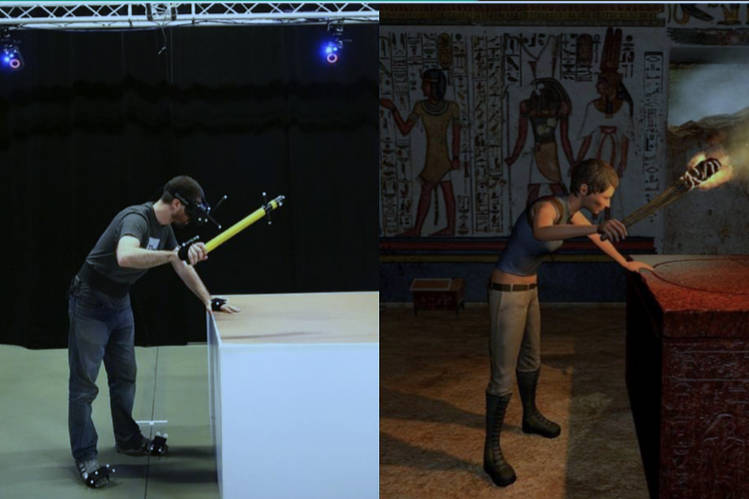
The company’s technology, developed by Swiss firm Artanim, allows multiple people to interact in a single virtual reality environment. It uses 16 cameras and sensors on as many as six users’ hands and feet, making it more advanced than the home systems currently offered by companies such as Sony Corp. and Facebook Inc.’s Oculus.
Dreamscape’s chief executive is Bruce Vaughn, who worked at Disney for 23 years, most recently as chief creative officer of the Imagineering group that designs theme park attractions.
“What’s similar is we’re creating shared experiences and transporting people to worlds that otherwise only exist in their imaginations,” said Mr. Vaughn. “What’s different is we’re not building bricks and mortar and walls that you can’t change your mind about.”
See the full story here: https://www.wsj.com/articles/startup-backed-by-spielberg-and-studios-seeks-to-create-vr-experiences-for-malls-1486990802
 Facebook’s virtual-reality division created a network of 500 free demo stations in Best Buy stores to give people a taste of VR using the Oculus Rift headset. But according to a Wednesday report from Business Insider, about 200 of the demo stations will close after low interest from consumers.
Sales thus far seem to reflect this. Market research firm Canalys estimates that just over two million VR headsets shipped last year (it puts the Rift in third place, with almost 400,000 headsets shipped, behind Sony’s PlayStation VR and HTC’s Vive). That’s a small number compared to video game consoles. More than six million of the current top seller, Sony’s PS4, were sold just during the holiday season.
“I think in a store environment getting people to sit down and go through that experience of getting a headset on and getting set up is quite a difficult thing to achieve,” said Geoff Blaber, a CCS Insight analyst.
See the full story here: https://www.technologyreview.com/s/603615/oculus-closes-many-in-store-demo-stations-as-vr-headsets-prove-a-hard-sell/?mc_cid=1227936f29&mc_eid=cf24d7da5b
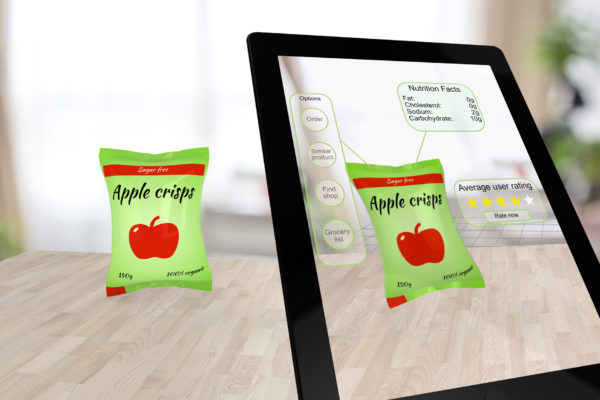
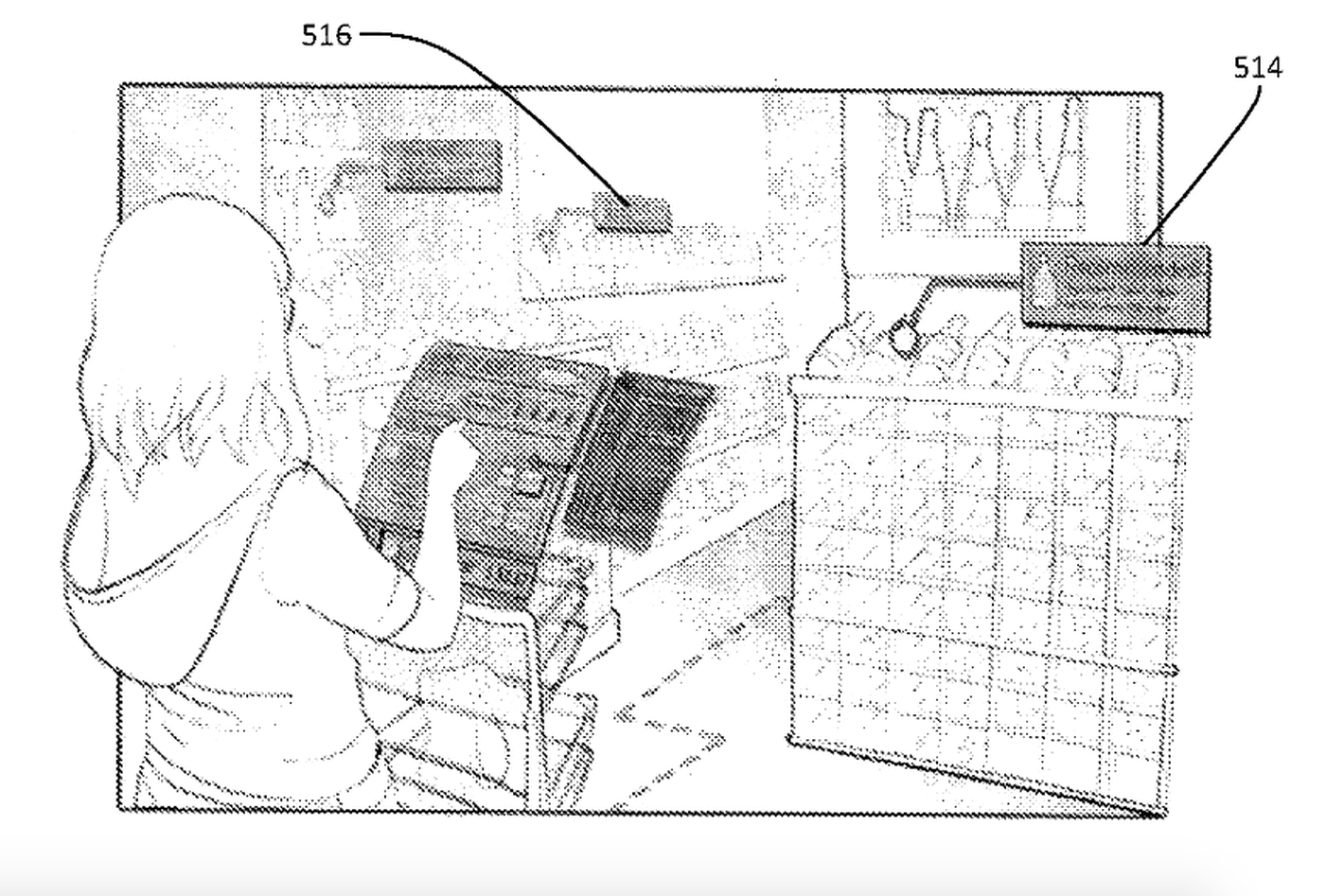
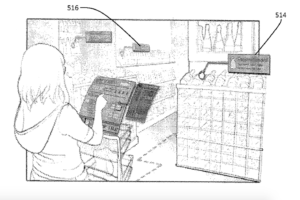 ...the basic (and most compelling) iteration is that when you visit a physical store, your augmented reality headset will scan products you’re looking at with a camera or RFID reader, then cross-reference them with offers from other merchants, and tell you if something is available cheaper somewhere else. It’s like exploring a mall or comparison-shopping with your phone, but totally frictionless and without (as the filing mentions) feeling rude about checking prices directly in front of salespeople.
Instead of giving a retailer the power to aggressively push products on hapless shoppers, this would help buyers understand their options and encourage competition. And one of the interesting things about Magic Leap is that it’s not directly tied to a big advertising or sales business like Google or Amazon, although it’s got outside investment from the former. The company is in a position to be truly agnostic, if it decides that’s a priority.
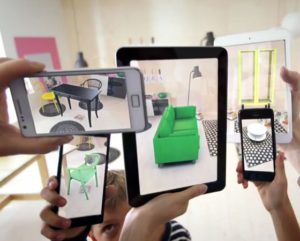 Augmentor has been launched by Digital Catapult, a programme designed to support early stage tech businesses developing applications in virtual, mixed and augmented reality technologies.
The equity free initiative, launched in partnership with Seedcamp, is a ten-week programme offering technical and business mentorship from industry experts.
Successful Augmentor applicants will get the chance to work at Digital Catapult’s centre in London where they will have full access to a state-of-the-art Immersive Lab.
See the full story here: http://www.cbronline.com/news/verticals/small-business/digital-catapult-programme-virtual-mixed-augmented-reality-startups/