VC Fund Shasta Adds Virtual Reality Lab, Doubling Down on New Platforms
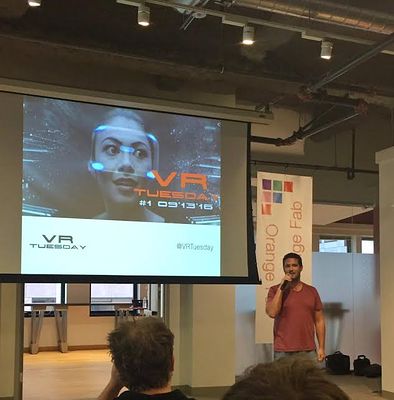 The firm said it recently opened a virtual reality lab and hired Exitround Chief Executive Jacob Mullins as a principal focused on emerging platforms. Exitround, a Shasta portfolio company, is a mergers and acquisitions marketplace for tech companies.
“If you take a look at the biggest companies that have been built over the last 20 to 30 years, they’ve been built around platform shifts,” said Shasta Ventures Managing Director Rob Coneybeer. “We think the next platform shift you look at is to a variety of platforms.”
See the full story here: http://www.wsj.com/articles/shasta-adds-virtual-reality-lab-doubling-down-on-new-platforms-1481545808
File compression format found to alter timbre of music causing loss of some emotional context
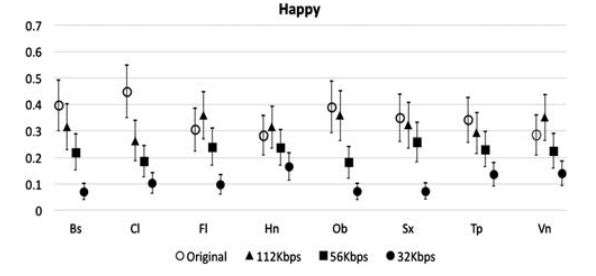 A small team of researchers with Hong Kong University has found that compressing recorded music into the MP3 format results in the loss of emotional tones, leaving the result with less depth.
...romantic, calm, comic, heroic and happy were noticeably less present after files had been compressed into the MP3 format. They noted also that some instruments were more impacted than others—trumpets, for example, were found to have lost the most emotional timbre while other horns were impacted the least.
The researchers suggest that those people who are the most serious about tonal quality should limit their exposure to songs compressed into the MP3 format. They also suggest that the current trend in popular music toward growl-like tones or angry lyrics might have arisen due to their ability to translate well into the compressed file format.
See the full story here: https://techxplore.com/news/2016-12-compression-format-timbre-music-loss.html
Augmented Reality, Hologram-like Images Enter the Workplace
 MIT is working to hasten and improve the process by constructing a multimillion-dollar Visual Analytics Lab where corporations and researchers there can experiment with computer-generated hologram-like images and interactive touch-screen walls embedded with layers of supply-chain data that is often obscured. That information could range from customer and product information to population, socioeconomic data and real-time traffic, weather and social-media data.
The 500-square-foot lab is expected to be built at the university’s renovated Center for Transportation and Logistics in Cambridge, Mass., funded in part by corporations with which MIT already has existing relationships, and open for experimentation to both corporations and researchers across MIT departments beginning late 2017.
Spearheading the project is MIT researcher and 30-year-old German native Matthias Winkenbach, who holds a Ph.D. in logistics and supply-chain management and is an expert in last-mile logistics, or the movement of goods to their ultimate destination.
“AR can be a game changer in data and analytics because it’s so much more immersive,” Dr. Winkenbach said. “You’re…experiencing much more than you’re analyzing.”
... according to Forrester ResearchInc. Large companies will spend $3.6 billion on smart glasses in 2025, up from $6 million in 2016, according to Forrester. The global 3-D imaging market, which includes holograms, is expected to grow from $4.9 billion in 2015 to $16.6 billion by 2020, according to Markets and Markets, a research firm in India.
See the full story here: http://www.wsj.com/articles/augmented-reality-hologram-like-images-enter-the-workplace-1481551202
ETC@USC AR Salon Report
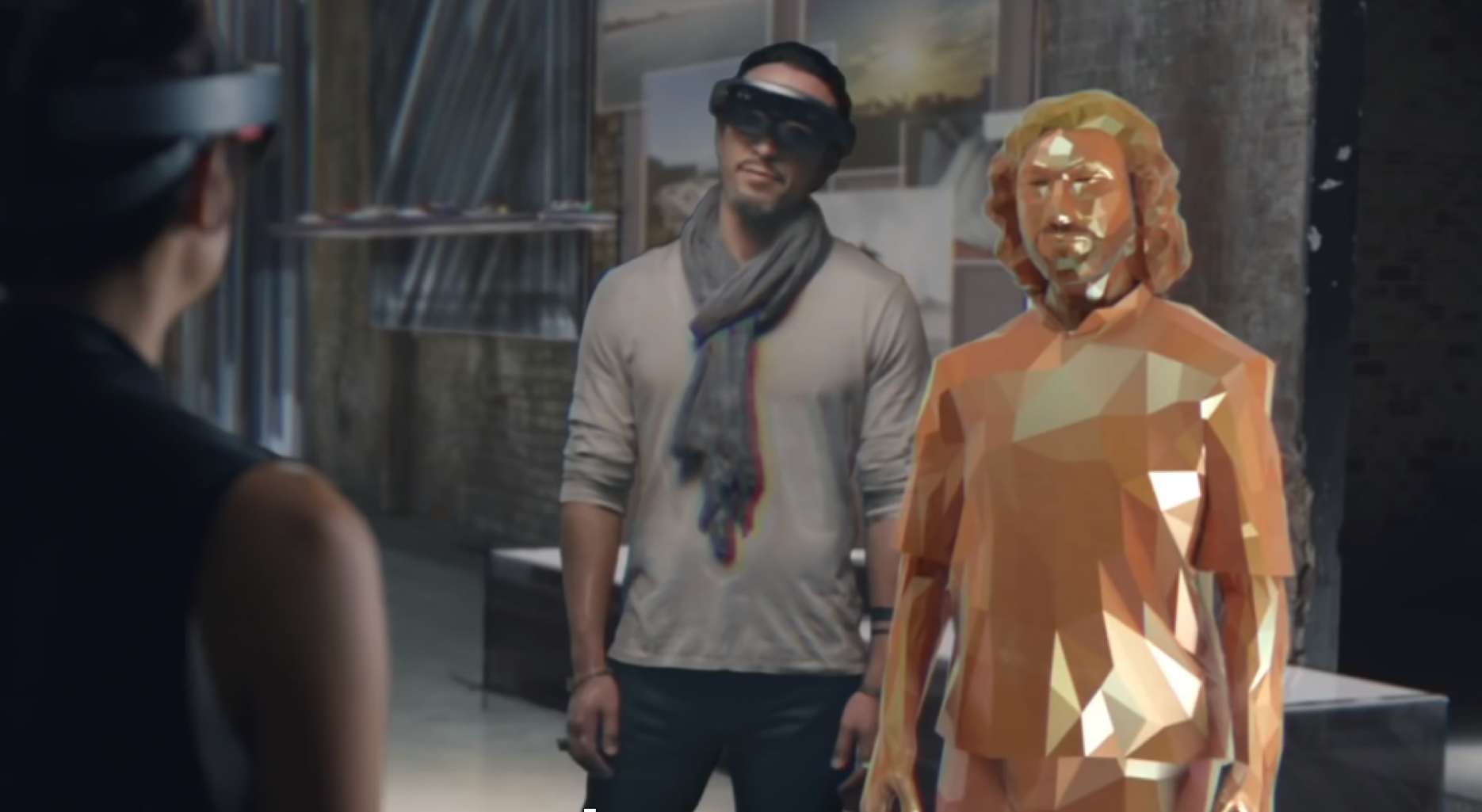 On November 11, 2016, the Entertainment Technology Center at USC brought together 89 people working on Augmented Reality from 56 companies and organizations to share ideas and build community. The attached report summarizes the information shared by the participants.
How 3D Sound Makes Virtual Reality More Real
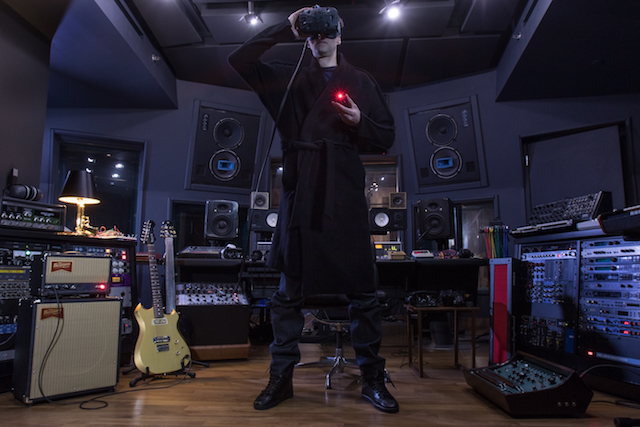 As Q Department Studio’s Jacqueline Bošnjak tells The Creators Project, she and Mach1 creator Dražen Bošnjak wanted to enter the VR sound arena so that the VR and AR experiences could become more holistically immersive. She says that while sound—as with everyday reality—is half the “presence” for more complete immersion, it lags behind VR’s visuals.
See the full story here: http://www.vrroom.buzz/vr-news/guide-vr/how-3d-sound-makes-virtual-reality-more-real
Microsoft Augmented Reality Will Be Introduced To China In 2017
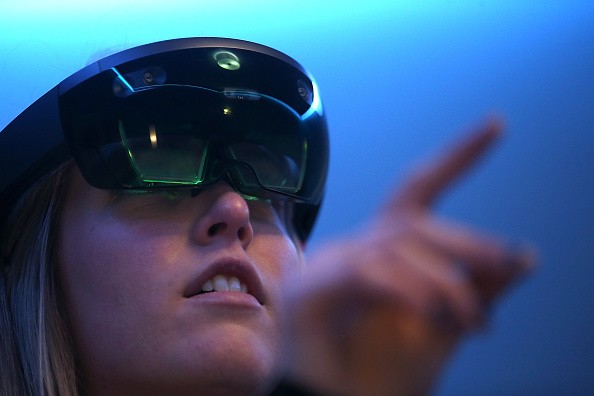 According to Microsoft confirmation in 8th December, the Microsoft augmented reality device developed by the company - HoloLens - will be introduced in the Chinese market in 2017. It will be taking advantage of the large increase in the number of application developers in the country.
The news was given by Terry Myerson, executive vice president of Windows, directly from Shenzhen, China's industrial and technological hub. During the WinHEC conference, Myerson revealed that HoloLens is already undergoing regulatory and approval process by the responsible Chinese bodies and is due to be launched in the country in the first half of 2017. Initially, the Microsoft augmented reality device will be available to developers and commercial customers .
Later on, it can be purchased by ordinary users.
See the full story here: http://www.gamenguide.com/articles/87104/20161210/microsoft-augmented-reality-will-be-introduced-to-china-in-2017.htm
Virtual reality gets more real with Facebook’s prototype VR hot/cold sensitivity
 The idea for the early-stage project is that the controllers can actually convey warmth or cold depending on what's happening inside VR–making the user's experience more real. It's a long way off from reality, but Facebook's brain trust was seemingly quite impressed with the prototype.
See the video here: https://www.facebook.com/zuck/videos/10103304880719341/
See the full story here; https://news.fastcompany.com/virtual-reality-gets-more-real-with-facebooks-prototype-vr-hotcold-sensitivity-4026936