Virtual reality ‘sex suit’ lets men experience realistic intercourse all on their own
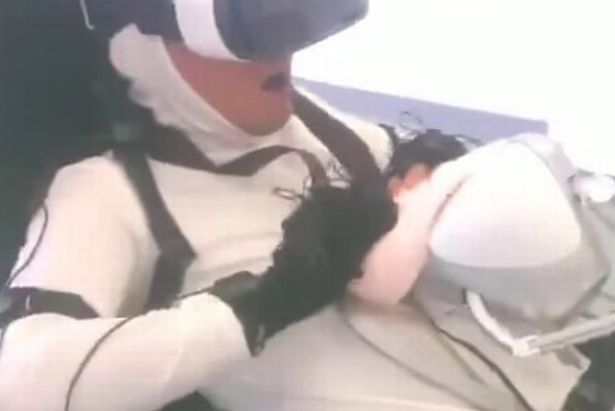 The Full Body Virtual Interface "can send impulses all over the wearer’s body to make it feel like another human being is touching them," ir.net reports .
At £300, it is just for men at the moment, who can remain fully clothed while they experience intimate time with a virtually non-existent partner.
See the full story here: http://www.mirror.co.uk/news/world-news/virtual-reality-sex-suit-lets-7698685
How We Immersed 7 Artists Inside Virtual Reality
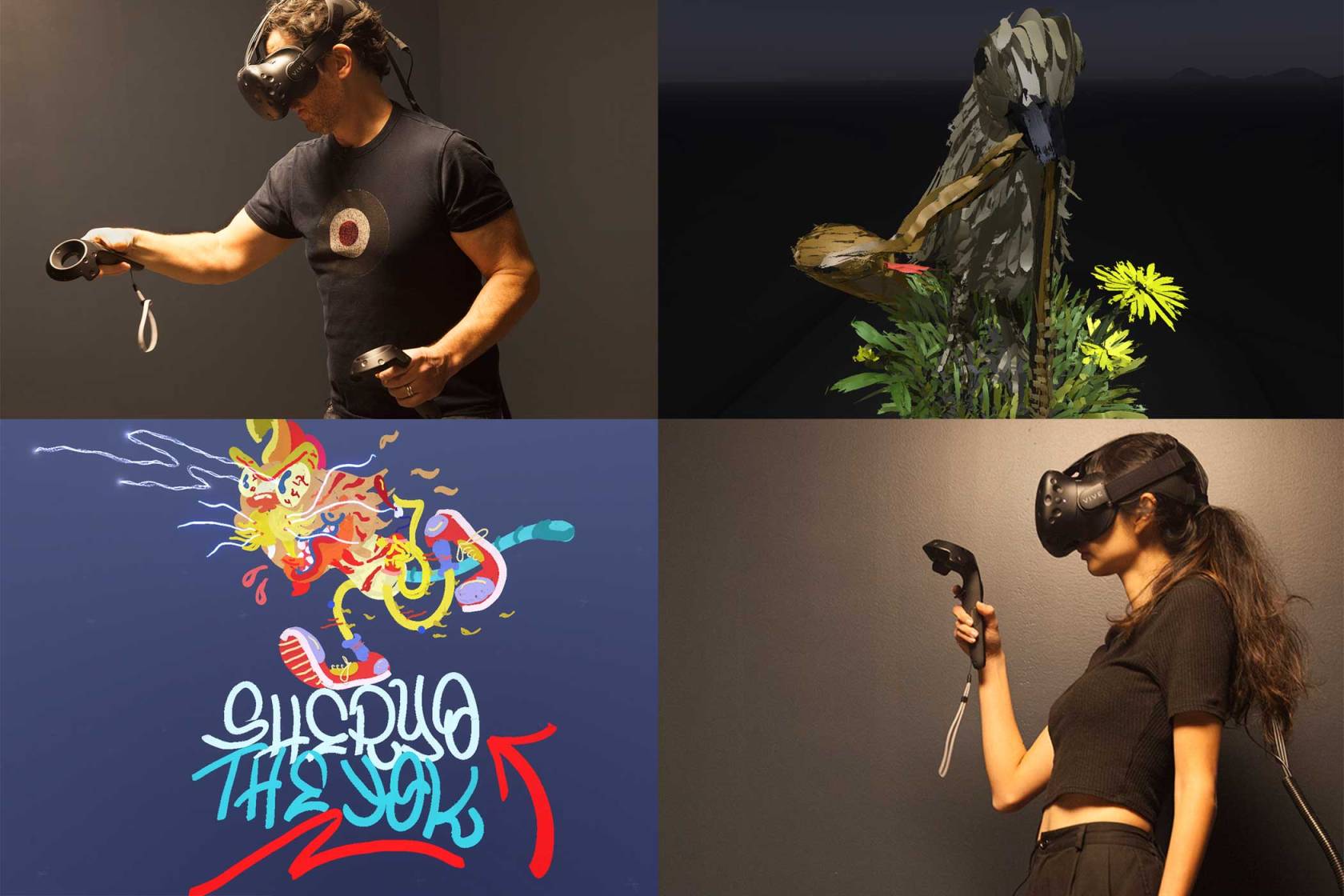 This is only the beginning. With the HTC and Tilt Brush now available to the public, artists will begin to get comfortable with the app. We expect incredible creations to begin coming from the app from professional and amateur artists alike.
See the full story here: http://time.com/4282786/how-we-immersed-7-artists-inside-virtual-reality/
Here’s where the big money will be made in virtual reality
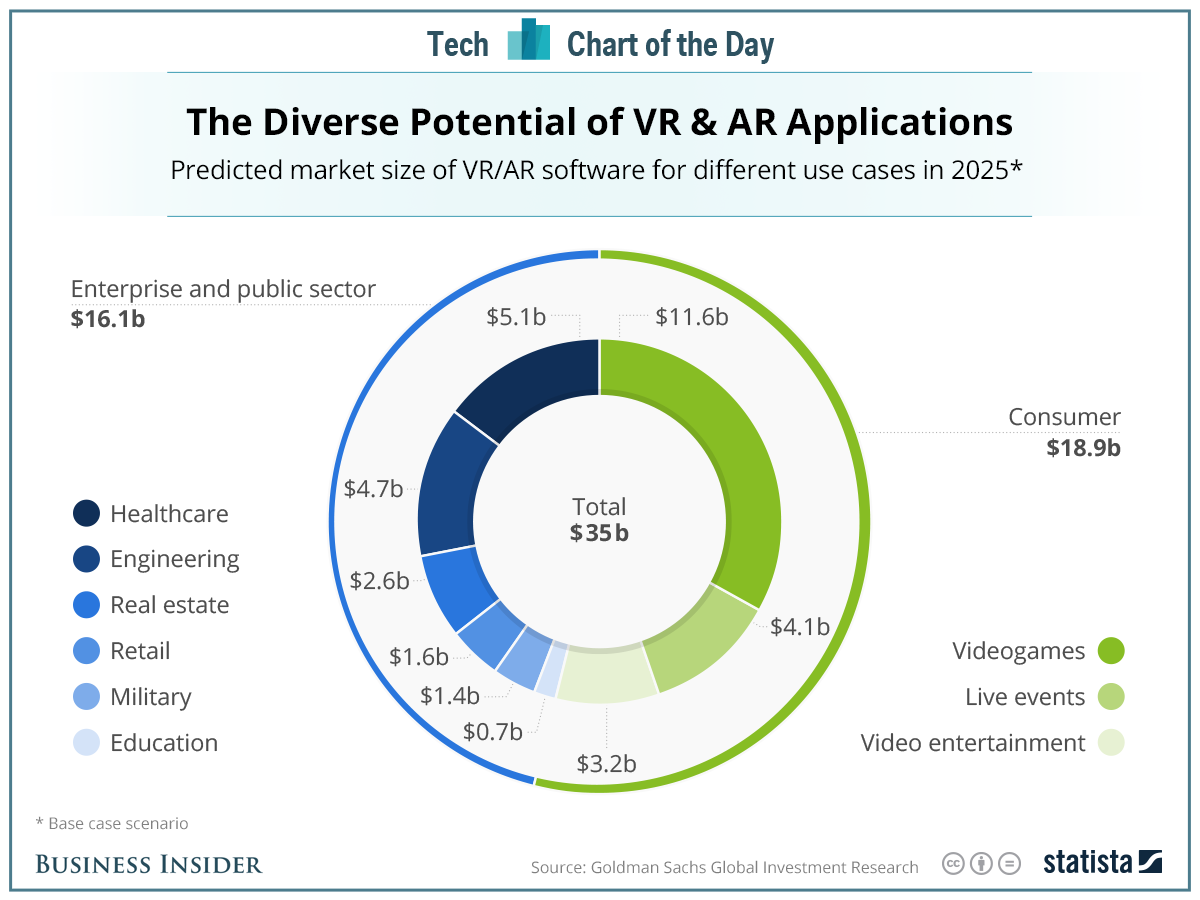 See the original graphic here: http://www.businessinsider.com/goldman-sachs-vr-and-ar-market-size-and-segmentation-2016-4?nr_email_referer=1
Huawei outs dual-lens flagship smartphones, co-branded with Leica
 The third largest smartphone maker by global marketshare, China’s Huawei, has just unveiled two new flagship handsets — announcing the 5.2 inch P9 and 5.5 inch P9 Plus at an event in London today.
The most notable feature of both are dual lenses on the rear, sitting next to the Leica brand. Huawei says the camera has been “co-engineered” with the veteran optics maker. Although that does not, apparently, mean the lenses themselves are Leica lenses.
dual-lenses rather being put to work to — Huawei claims — enhance photography via improved color/clarity, and to support features such as refocusing after the fact (as Lytro previously tried with dedicated camera hardware; but as ever if it can become a feature on a smartphone it will… ).
It also says the twin lenses support a wide aperture mode that lets in more light — and more light typically means better photos.
See the full story http://techcrunch.com/2016/04/06/huawei-outs-dual-lens-flagship-smartphones-co-branded-with-leica/?ncid=tcdaily
Step into Distant Lands With ‘Realities’, Launching Free on HTC Vive April 5th
 Realities is a collection of incredibly detailed virtual environments created with a technique called photogrammetry.
Realities has gone far beyond objects though; the team has used the technique to capture entire rooms and complexes with such detail that at times you might think you’re looking at a picture. Compared to a 360 degree photo or video though, Realities is actually creating the scene as 3D geometry, allowing you to navigate and explore rather than being stuck with one perspective.
The team is bringing their photogrammetric captures to SteamVR through the Realitiesapp for free on April 5th, the Vive’s launch day. You’ll be able to download and explore for yourself, provided you’ve got an HTC Vive. (The team tells us Rift support through SteamVR is coming soon).
The Realities team says the app will launch with five or so different locations to start, and further say that they want to “fill the globe with interesting places all over the the world.”
See the full story here: http://www.roadtovr.com/realities-launch-trailer-htc-vive-steamvr-april-5-free/
Review: HTC Vive
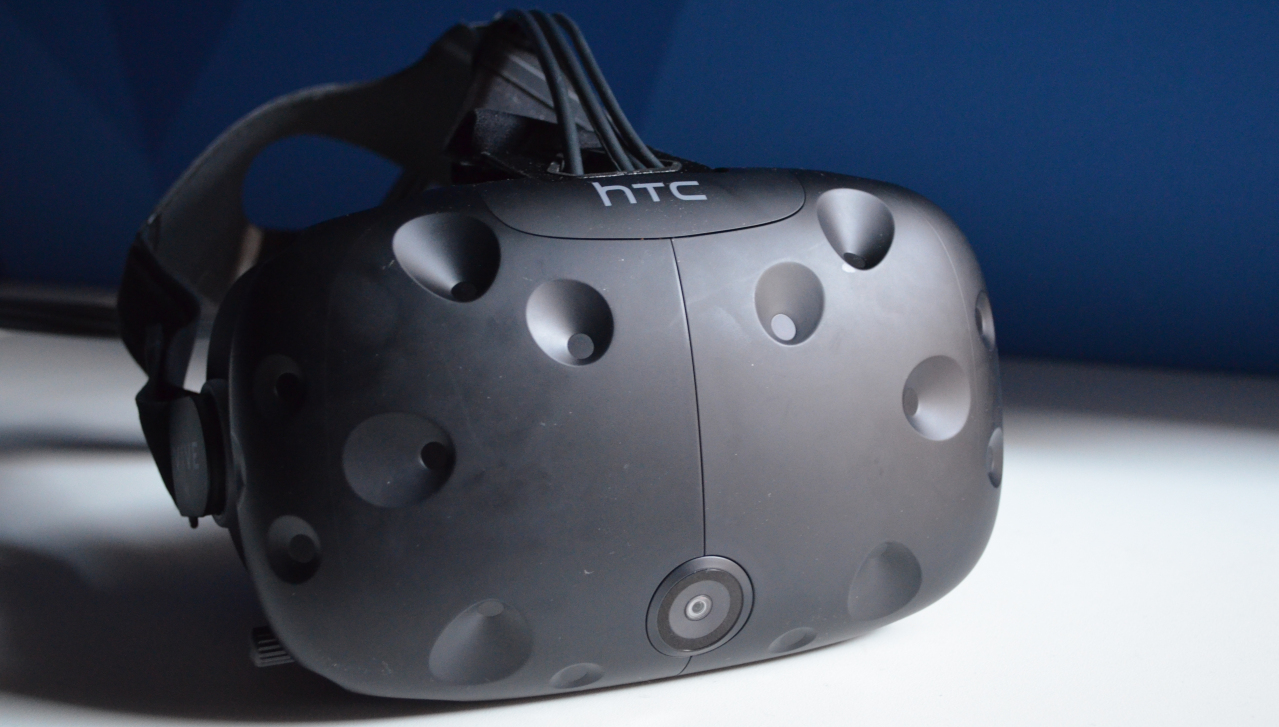 I’ve had a chance to show the Vive consumer version to my VR virgin friends and responses have rarely deviated from them saying the Vive is the coolest piece of technology they’ve ever seen.
The consumer Vive may hold that crown for me as well. It certainly bests the Rift in terms of immersion and is already developing an ecosystem that looks as though it is going to attract non-gamers particularly well in the coming months. It’s a bit less-refined and intuitive in terms of its feature set, but it nails so many of the futuristic pursuits it reaches beyond reality to find.
The setup of this system is a bit of a doozy.
With the Vive, physical space is a pretty precious commodity. The system’s room-scale tracking, which sees you as you move through space, requires a decent amount of room that you may have to get creative to find.
Mounting the two Lighthouse sensors (which track your headset and controllers) in opposite corners of the room was mostly painless. The lighthouse infrared cameras don’t need to connect to each other or the PC so that made things much easier.
...chaperone system to remind you of the physical borders of your measured space if you’re ever about to put your controller through a wall while in VR. It does so through a couple ways. First, a physical grid that pops up clearly showing your boundaries, and second, if you have the Vive’s head-mounted camera enabled, a 360-degree 2D image of the objects in your immediate vicinity pops up.
e interesting thing I noticed from trying out the various launch titles is how effectively game developers are aligning their designs of in-game tools to the real-world form factors of the controllers. What results is a level of immersion that makes you believe you might actually be picking up a gun when you grab the controllers off your desk while inside the environment.
I found myself missing the Rift’s integrated headphones. The Vive allows you to easily use whatever headphones you have at your disposal but I generally found that having another cord in the way was annoying and most of my headphones are quite heavy so I ended up just using the included earbuds, which weren’t all that awesome but performed fine.
Speaking of cords, the Vive is still a tethered experience.
The quality of the launch titles is another point. I got a chance to play about half of the roughly 70 launch titles that will be live on Steam today. The launch titles are certainly diverse but I struggled to find a standout experience. Indeed, the titles that ship with the Vive: Fantastic Contraption, Job Simulator and Tilt Brush are fairly representative of the type of content that succeeds on the platform.
Like
Magical room-scale tracking. Surprisingly useful camera. Quality optics. Top-notch motion-tracked controllers.
No Like
Bulky headset design. Large amount of floor space needed. General UI bugginess. Thick cord that easily tangles. No blockbuster launch titles.
Bottom Line
If there were a word I’d use to describe this piece of hardware, it would be ambitious. It tries so many damn things, and it gets most of the things so right, though not every feature is a home run. $799 is a lot of cash, but it really feels worth it here. The experience is in a lot of ways so much richer than any other headsets out there, including the Rift. Because of this, it may be a bit easier to point out flaws when they come up, if only because there’s just so much going on with this crazy piece of tech.
See the full story here: http://techcrunch.com/2016/04/05/review-htc-vive/?ncid=tcdaily
Nimble VR’s IR hand tracking technology
 Where most other hand-tracking systems require special sensors or markers, Nimble VR’s technology - with its infrared depth-sensing, 110-degree view and extremely accurate skeletal tracking of the hands - is completely glove-free.
While Wang can’t discuss the particulars of his work at Oculus, the original Nimble VR system involves a specialized camera working in conjunction with a laser. Every 20 milliseconds, the camera sends out a signal, which bounces back off of objects. The camera data allows the system to not only track the user’s hands, but detect objects’ positions, shapes and movements, creating a point cloud of the world around the user.
Wang founded the company in 2012 with Kenrick Kin and Chris Twigg, two computer scientists from UC-Berkeley and Carnegie Mellon. According to Wang, joining Oculus has relieved him of a lot of the pressures of being part of a startup, like having to move fast and raise funds.
See the full story here: http://www.csail.mit.edu/This_MIT_PhD_has_his_fingers_on_the_pulse_of_virtual-reality%20
How Virtual Reality Will Impact The Hiring Process
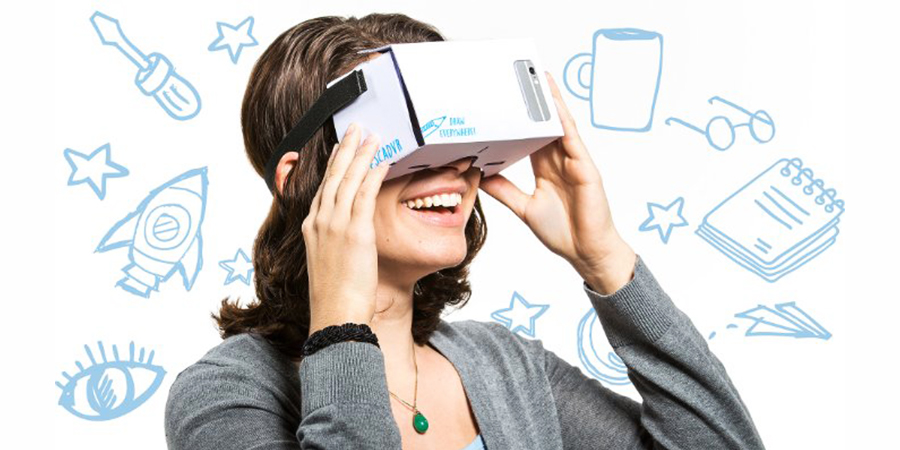 In my work as the CEO and CTO of a workforce solutions and staffing agency, I’ve explored three areas of recruiting where VR is starting to take off.
The Military
The military uses VR to train and prepare soldiers for different combat situations, according to Wareable.com. VR military combat training lets the military expose new soldiers to a wider variety of training scenarios with less time and cost than field training. It also uses VR as a recruitment tool, designed to engage the typical recruits between the ages of 16 and 24. The UK military uses VR for recruiting, letting interested recruits experience what it’s like to fight in a war zone. They also use a simplified online application and a “100 Percent Army Fit” app that lets recruits build up their fitness to the level of a soldier in training.
Colleges and Universities
Colleges are starting to use VR to recruit potential students. It not only increases engagement, it also reduces costs, creating a positive return on investment. For instance, the Savannah College of Art and Design in Georgia uses cardboard headsets and a smartphone app to give high school students a virtual tour of their campus. Trinity University uses cardboard VR headsets as well at recruiting events at high schools and colleges, as well as with alumni. Many schools are also using VR in college athletic recruiting. The University of Michigan, Iowa State University and the University of Las Vegas all use VR to recruit athletes for football.
Corporate Applications
Virtual recruiting is already a major part of many employment recruiters’ recruitment processes. It lets employers expand their recruiting efforts to wider geographic areas with fewer travel expenses. Virtual job fairs and virtual open houses let recruiters connect with interested candidates and conduct interviews without leaving the office.
For example, General Mills is using virtual reality for recruiting at the suggestion of one of the company’s application developers.
See the full story here: http://www.forbes.com/sites/forbestechcouncil/2016/04/01/how-virtual-reality-will-impact-the-hiring-process/#28e73ce8c749