 Speaking on a panel about how virtual reality can be used to change the way products and services are sold, representatives from Hasbro, The North Face and Lufthansa German Airlines said the mobile era is ripe for virtual reality to go mainstream.
"Once it becomes more accessible, then it doesn't become a fad," said Victor Lee, svp of digital marketing for Hasbro. "And then comes truly the reality of anyone can do this. Then it's a race of who does it best, who's more creative, who tells the best story and who's going crazy with it."
The North Face already has developed two action-packed VR experiences that transported viewers to Yosemite and Mount Everest, both of which have aimed to bring interest to the outdoors. Eric Oliver, director for digital marketing at The North Face, said he's optimistic that the ubiquity of smart phones will be a "gateway" for massive adoption of VR.
Lufthansa is taking more of a grassroots approach to how it introduces both staffers and customers to its VR film, which shows what it's like to fly with the airline. Torsten Wingenter, head of digital innovations for the brand, said even people who were averse to trying on the Google Cardboard to watch the film were hooked after a few minutes. He said airlines are often judged only by price and travel time, but he thinks VR could help marketers like Lufthansa better illustrate its value to those who have never flown with the company.
See the full story here: http://www.adweek.com/news/technology/brands-love-virtual-realitys-potential-want-medium-become-more-accessible-170174
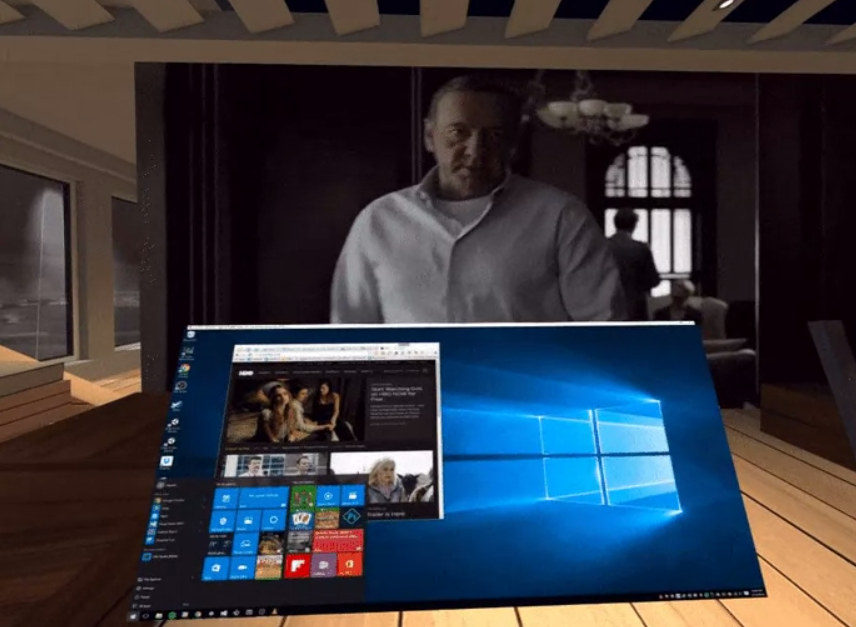
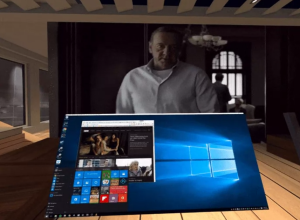 Well, BigScreen apparently allows your friends to share their screen inside the VR environment. Theoretically, this will allow users to view their Windows desktop at one of the parts of the VR environment and watch a movie on the other part (shared by their friends), which is really handy. However, screen sharing on BigScreen will be a lot more useful when it comes to playing online games.
BigScreen will be available for the Oculus Rift and the HTC Vive in April 2016, and the company is planning to release Samsung Gear VR support later this year.
See the full story here: http://mspoweruser.com/bigscreen-brings-entire-windows-desktop-virtual-reality/
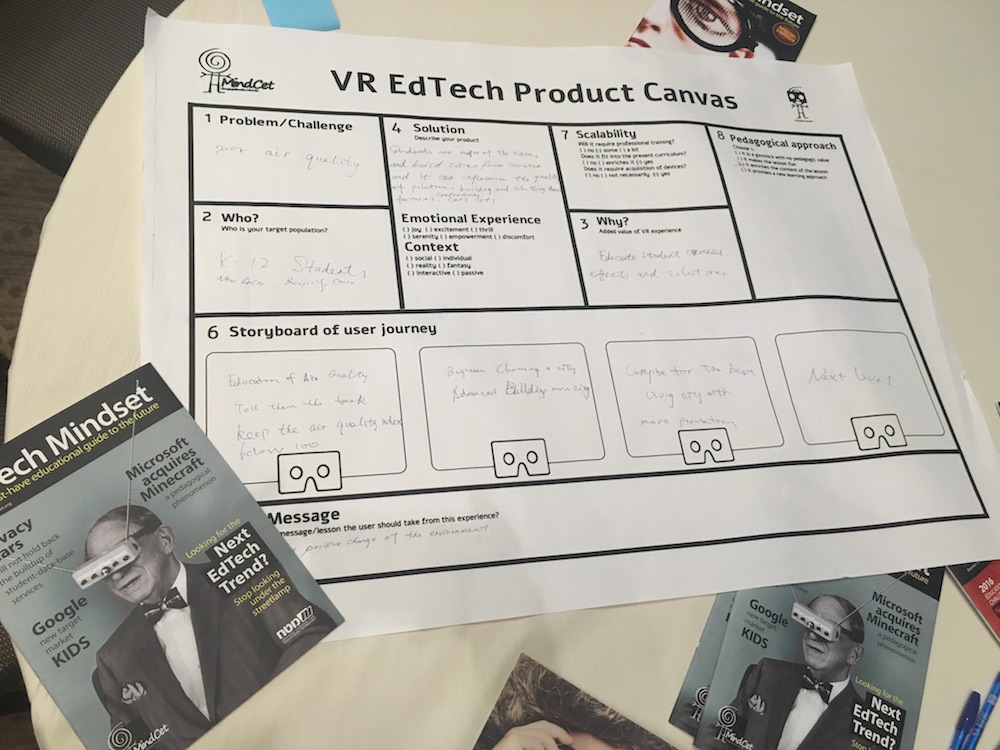
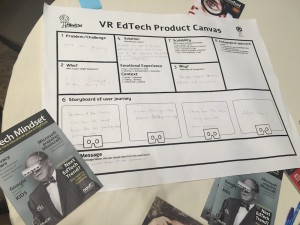 “Virtual reality will be a kinesthetic, immersive experience for students. They’ll learn things in a visceral way,” she said. “I want to know how that boosted engagement will be coupled with good teaching and scaffolded by learning science.”
Much of the press and several of the SXSWedu panels on virtual reality talked excitedly about where the medium and technology will be, rather than where it currently is. A substantial conversation can’t subsist on predictions alone, though. One session focused solely on the “now”: The British Museum offered insights from its pilot virtual reality program, where it created a virtual Bronze Age roundhouse populated with relics from the era. Lizzie Edwards, Education Manager of the Samsung Digital Discovery Center in the British Museum, said that attendance increased fourfold from the normal 300 to 1200 people during the weekend the museum tested its virtual reality offerings. The sizable audience flocking to her 15-minute talk reflected the draw of the program.
Edwards’ team offered virtual reality headsets, in an interactive dome and on tablets. (Students 13 and under were not allowed to use the headsets because of British health and safety codes.) Museum staff facilitated participants’ interactions on a one-to-one basis, which Edwards said kept the flow of visitors moving at a reasonable pace for everyone to see the roundhouse.
Why a Bronze Age roundhouse? Edwards said the project came about because of shifts in the United Kingdom’s national curriculum introduced in 2013. Teachers in the UK must now instruct students on changes in Britain from the Stone Age to the Iron Age, which may include, according to the British Department of Education, “Bronze Age religion, technology and travel.” Edwards said teachers immediately began complaining that few educational materials existed to help students visualize and understand Bronze Age environments.
See the full story here: https://www.edsurge.com/news/2016-03-11-virtual-reality-at-sxswedu-hopeful-forecasts-and-the-british-museum-s-lessons
 Augmented reality surgery has helped two doctors at NYU’s Langone Medical Center achieve a breakthrough like no one before them. Dr. Pierre Saadeh and Dr. Timothy Rapp used the latest technological advancements to plan as well as an execute a complex surgery for a cancer patient.
The doctors used augmented 3D reality technique to practice the approach of the surgery and plan the entire procedure, as understood from the report on Black Channel. They used a 3D map to understand the depth of the gap created.
This enabled the team to work towards sculpting the bone to the exact size required to fill the gap made by the tumour. While there are many who are calling the move by the two doctors a bold one, it is indeed their decision not to stick to the script that has led to the discovery of a new method to cure.
Read the full story here: http://www.healthaim.com/augmented-reality-surgery-doctors-will-able-operate-better-safer/45092
 SO WILL AR AND VR CHANGE FILMMAKING THEN?
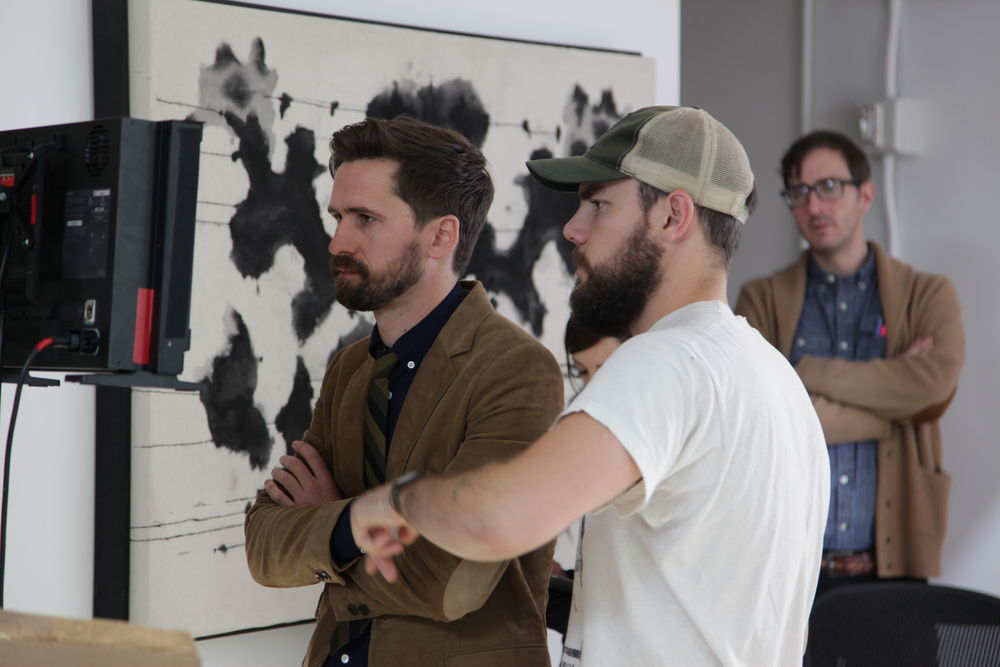
I don’t think it will, not in the form of feature narrative, per se, but maybe it’ll become more rarified. People still go to the ballet and the opera. I think of both as a collaborative tool. AR is amazing for shot diagrams and shot lists, and working more in physical space with people rather than on flat screens. The potential is to make computing more physical and tactile.
But for AR to become a true art narrative device, I think it’ll happen. If the experience is where people don’t have to be in a headset and just be in space with the people and share with them, if that is AR, it will happen sooner. We’ll lose the craft of directing the camera and the lenses, and that is what makes cinema relevant. It’ll have to be a new form, not a replacement for cinema. And the person who will make this masterpiece is 12 years old right now.
See the full interview here: http://www.popsci.com/creative-control-director-on-our-augmented-life
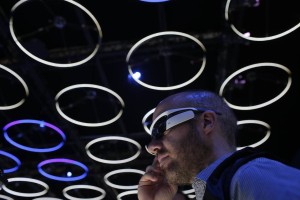 Called “VRtually There,” the show will cover a range of topics, including politics, sports, technology and finance. How often the show will air and for what length of time has yet to be determined.
Mr. Chauls says “VRtually There” will be the first regular news program developed for VR. Initially the content will be designed for viewing on a low-cost VR device, such as Alphabet Inc.’s Google Cardboard, which retails for about $15. In the future, though, it will be made available for high-end devices such as Facebook Inc.’s Oculus Rift, which cost $599 and hits store shelves later this month. For those who don’t have VR headsets, some of the content will be viewable in 2D on the company’s websites, mobile apps and social-media pages.
Most urgent, though, is focusing on attracting viewers, he added. “Right now that audience doesn’t exist.”
See the full story here:
 You’re in an ancient, booby-trapped Peruvian temple, standing next to Indiana Jones. He wiggles his fingers, licks his lips, and prepares to ever-so-carefully replace a gold figurine with a sandbag. Just before the switch, he turns to you and asks if you’re ready — and when you answer, he actually understands what you’ve said and responds back.
This interactive character experience is the future being created by Limitless founder and CEO Tom Sanocki. The Seattle-based virtual reality company has created a platform for content creators to design characters that can respond to VR users’ speech and body language in real time, which runs on all existing VR headsets by major manufacturers.
Sanocki approaches the virtual reality market from a unique perspective, as an alum of both film company Pixar and game company Bungie, where he led character design teams. During his 11 years at Pixar, he was behind characters like Kevin the bird from the movie Up and Mater from Cars. After Pixar, Sanocki moved to Bungie, where he worked for nearly 4 years on real-time characters for the game Destiny.
Limitless will debut its technology next week at the Game Developers Conference (GDC) in San Francisco, along with a VR experience produced on its platform by the company’s first publicly-announced customer, the VR film company Motional.
“Just like we saw with YouTube and Twitch, we don’t know what people will do with new technology until they actually do something with it,” Sanocki said.
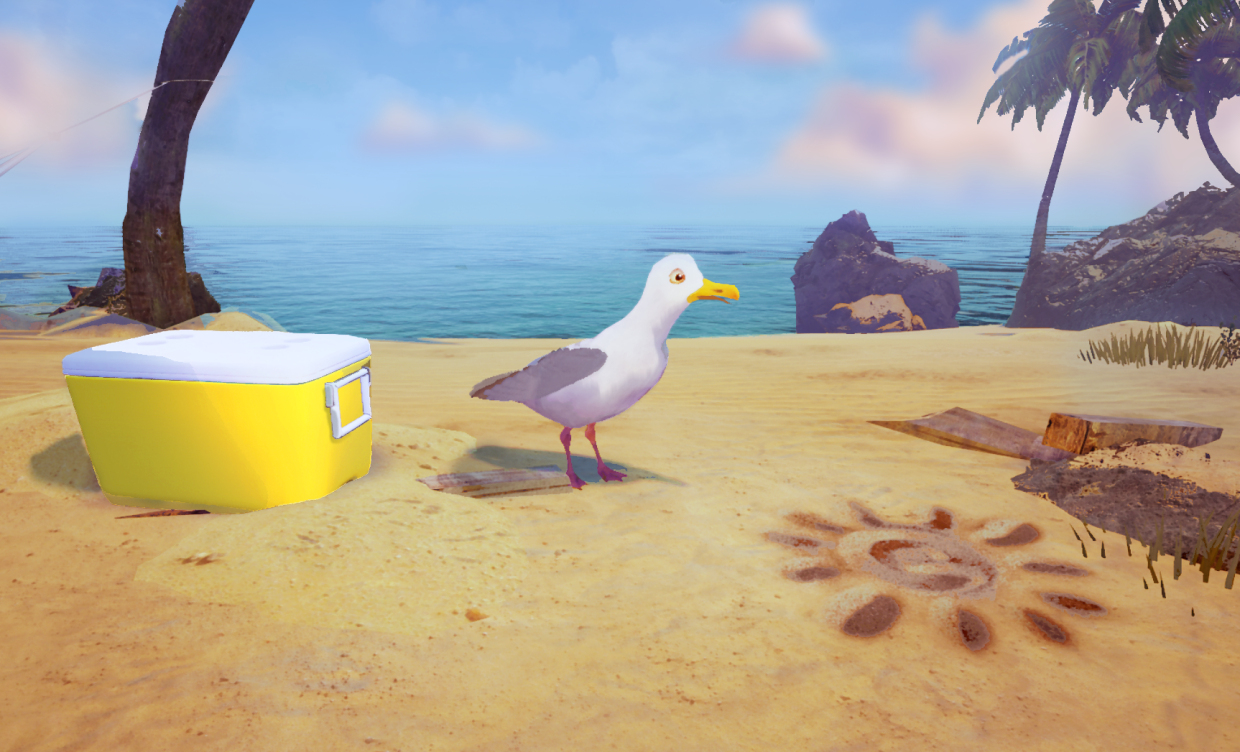
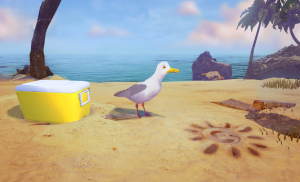
While Limitless provides the character technology, users do all the storytelling, including script writing, acting, and animation. That’s how Motional’s VR experience,”Gary the Gull,” worked. Motional, whose CEO Mark Walsh is another Pixar alum, wrote a story about a seagull that chats you up on the beach in an attempt to snag your snacks. Gary the Gull asks questions and, using Limitless technology, understands user responses, reacting based on a preset script, depending on what users say and do.
Limitless currently shares space in Seattle’s Ballard neighborhood with Pluto VR, the virtual reality company started in part by PopCap co-founder John Vechey.
See the full story here: http://www.geekwire.com/2016/limitless-a-platform-to-create-interactive-characters-to-debut-at-gdc/
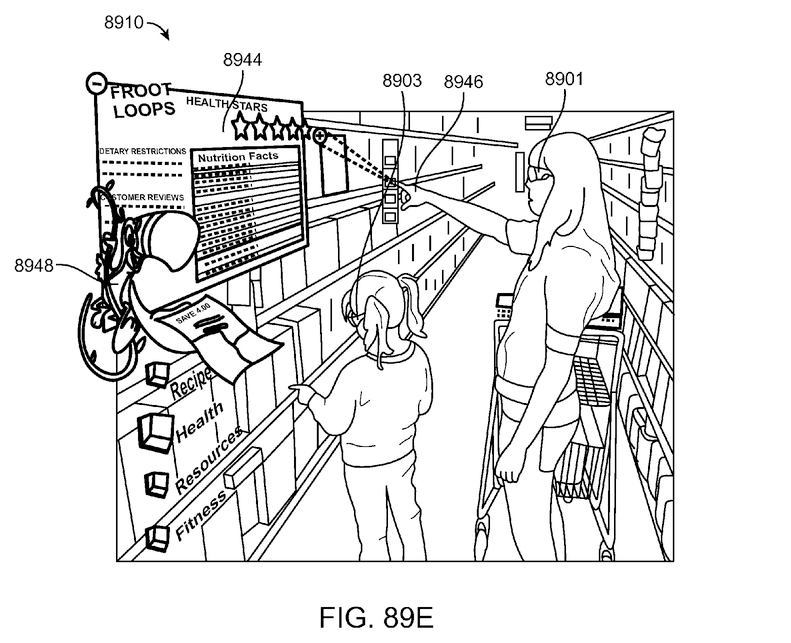
[Philip Lelyveld comment: This is an interesting, but totally hypothetical description of what Magic Leap may deliver, based on patent filings which themselves are very arm-wavey.]
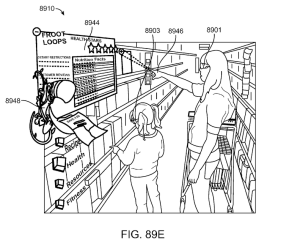
See the full story here: https://www.inverse.com/article/12176-here-s-magic-leap-s-covert-vision-for-its-augmented-reality-headsets