Who Will Own The Virtual Reality Interface?
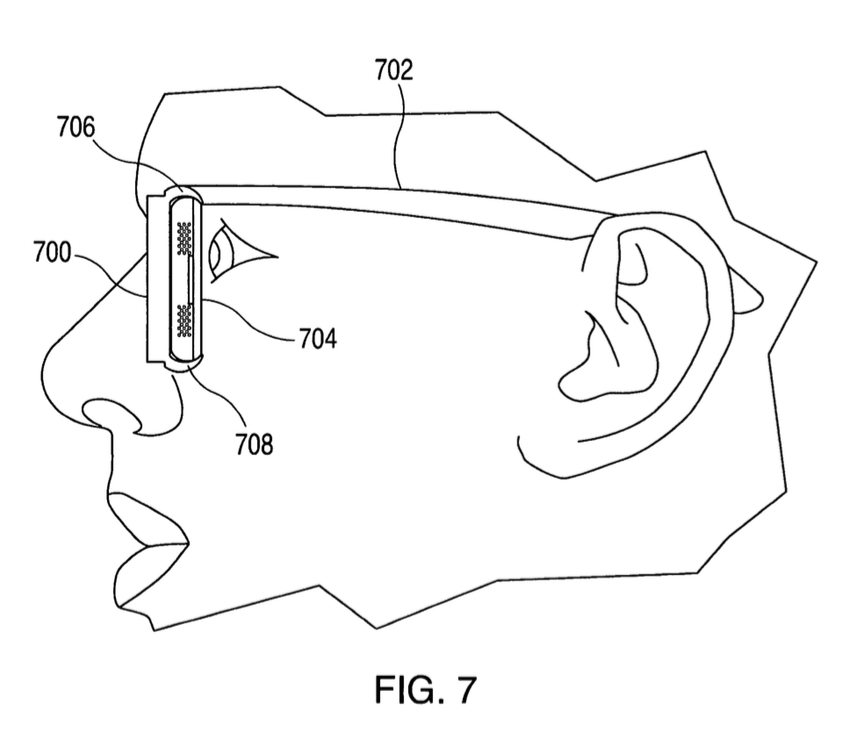 [Philip Lelyveld comment: Linc Gasking is the founder of 8i, a volumetric VR company who's tech is ideal for AR application as well.]
Despite their comparatively later start to the race, Apple could be in a strong position to bring a VR/AR OS mainstream. This is because closed systems generally provide the easiest path for users as they explore a complex and confusing new medium. History shows that consumers gravitate towards simplicity when adopting new technologies, and that they tend to favor high-quality gear when it comes to consumer electronics.
As legal scholar Tim Wu notes in his book The Master Switch: The Rise and Fall of Information Empires, all of the greatest technological innovations of the past century—the telephone, the radio, broadcast and cable television, the Internet— have followed the same basic path: progressing from an open, widely-accessible resource to a closed, corporatized commodity.
Consumers are also unlikely to start carrying a second device in addition to their smartphones. So if Apple is behind the one “computer” in your pocket, it’ll be an uphill battle trying to convince casual users to buy and carry an additional device.
See the full story here: http://techcrunch.com/2016/02/11/who-will-own-the-virtual-reality-interface/
Oculus VR Announces Rift-Ready PC Bundles, Preorder Starts On Feb. 16
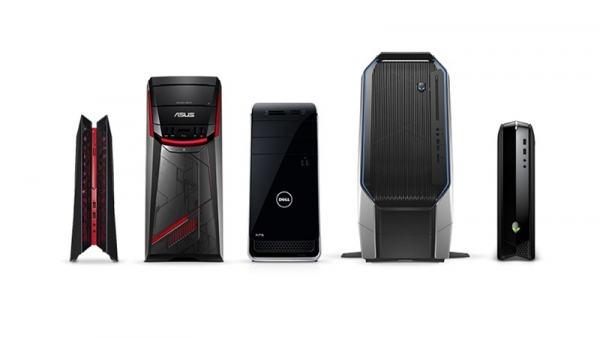 Oculus revealed what it calls Oculus Ready rigs that are bundled with the virtual reality headset.
The PC units come from Asus, Alienware and Dell, and they have all been tried and tested with the Oculus Rift. The bundles start out at $1,499 for a “limited time only,” and the price goes all the way up to more than $3,000.
The virtual reality headset is pegged at $599, and a PC that can provide a smooth VR experience doesn’t exactly come cheap. In other words, these bundles offer customers the Oculus Rift plus a PC that can render virtual reality at discounted prices.
----
Of course, virtual reality enthusiasts have the option to build their own rigs instead of availing one of the bundles that Oculus brought to the table.
According to the company’s recommended specs, computers will need at least an Nvidia GTX 970 or AMD 290, an Intel i5-4590, 8 GB of RAM and an updated operating system of Windows 7 SP1 or later under their hoods.
To break the components of the cheapest bundles – the Asus G11CD and Dell XPS 8900 SE – in the lineup down, an Intel i5-6400 is approximately $190, an Nvidia 970 around $300, a 1 TB hard disk about $50, 8 GB of RAM at $60, a copy of Windows and a decent case and motherboard are at roughly $100 each. That comes to a total of $900. Add $599 more to that figure for the Oculus Rift, and it goes up to the same $1,499 starting price.
What people can do here is to bump up to the $500 Nvidia 980 for an overall better virtual reality experience while keeping the price from skyrocketing, not to mention that the makers of Elite: Dangerous say that this GPU is a minimum requirement to run the game.
See the full story here: http://www.techtimes.com/articles/132133/20160210/oculus-vr-announces-rift-ready-pc-bundles-preorder-starts-on-feb-16.htm
Who will be the George Lucas of VR? Film schools just started teaching it
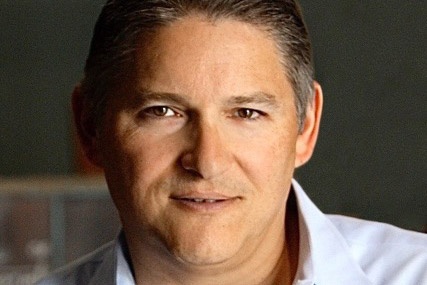 [Philip Lelyveld note; this story covers the SCA/Jaunt VR Lab]
That’s why VR companies like Jaunt and Oculus are taking virtual reality to New York University and the University of Southern California, starting Master Classes and creating workshops: to write the rules of this new revolution in filmmaking.
“The concept of a VR lab started last summer, as we began planning on how we could work together,” Jaunt Studios President Cliff Plumer told me in an exclusive interview with Digital Trends. The Jaunt Cinematic Virtual Reality Lab, which will launch later this year, is the product of a rich history between USC School of Cinematic Arts (SCA), Lucasfilm, and its founder, alumni George Lucas. “A number of us at Jaunt who came from Lucasfilm have worked with Dean Daley and the USC Cinema School for many years,” Plumer said. The lab will be a three-year incubator at SCA where students can learn how to film for virtual reality, and try it out for themselves.
The Jaunt Cinematic Virtual Reality Lab sounds more collaborative. It will be a three-year incubator at SCA where the company plans to “collaborate with the staff on introducing Jaunt technology and production techniques to the students.” The goal is to develop techniques, rules, and best practices that the film industry at large can adopt. Jaunt did not reveal the names of guest speakers, but Plumer did imply it would involve members of the University of Southern California faculty that Jaunt has worked with in the past on feature films.
Plumer did not specify what Jaunt or SCA would need to see from the partnership in order to continue it past its designated three years. But Plumer attests that USC is just the first foray into education for the virtual reality company. “Jaunt will continue to look for additional centers of education” to help promote virtual reality filmmaking, he told me.
Virtual reality filmmaking is even starting to interest the elite filmmakers in Hollywood. On a panel at the 2016 Sundance Film Festival titled “Power of Story: The Art of Film,” Christopher Nolan stated that he’s open to filming in virtual reality. He even compared VR’s relationship with traditional filmmaking to video games. “It’ll be its own medium. I never get asked anymore, ‘do you think video games will kill movies?’ 10 years ago I was asked that all the time. They’re two different mediums.”
See the full story here: http://www.digitaltrends.com/virtual-reality/oculus-jaunt-nyu-usc-vr-classes/?curator=MediaREDEF
Move aside YouTube, Wevr has big plans for virtual reality videos
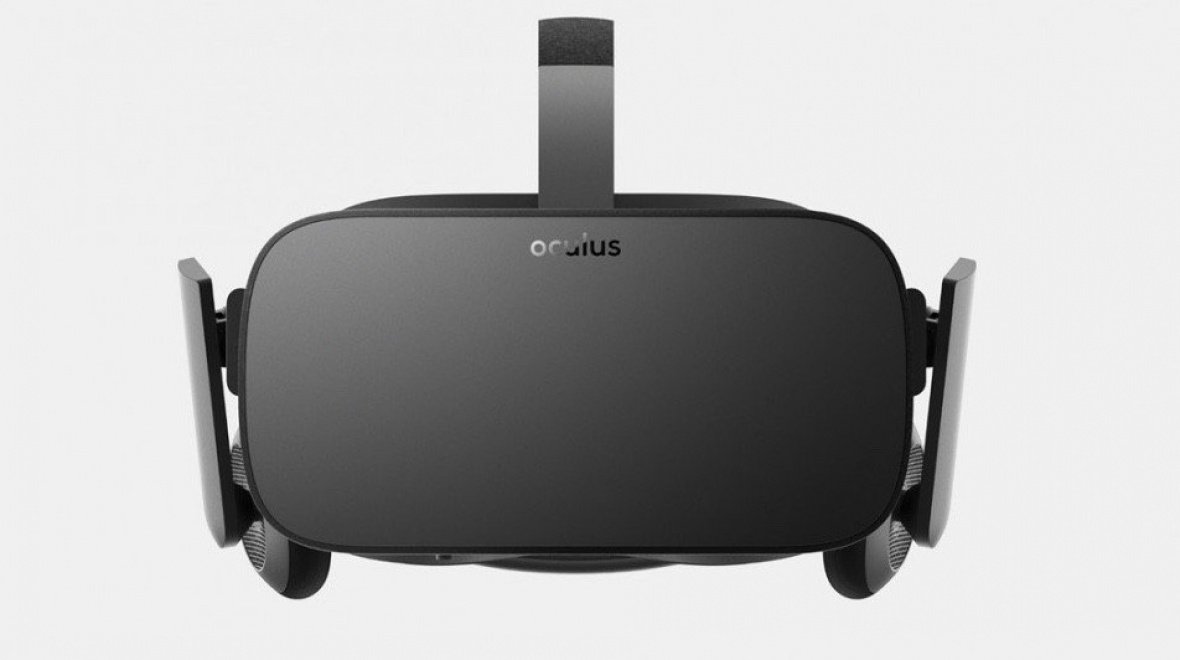 Wevr, a startup best known for partnering with big companies to create VR content, wants to be the bigger, better version of YouTube for VR.
Called Transport, the app will house both free and paid experiences that users can access through a Samsung Gear VR, Google Cardboard, HTC Vive Pre, Oculus Rift and the PlayStation VR, with a focus on delivering high quality experiences.
The app is currently in private beta with no word on when it will be released yet, however the startup has already raised $25 million from investors
All the money will go towards creating a cloud service to store the videos, a VR engine and of course, making the content itself which Wevr plans on doing with both independent filmmakers.
See the full story here; http://www.wareable.com/vr/wevr-youtube-videos-2277
10 THINGS THAT VIRTUAL REALITY MAKERS WON’T TELL YOU IN 2016
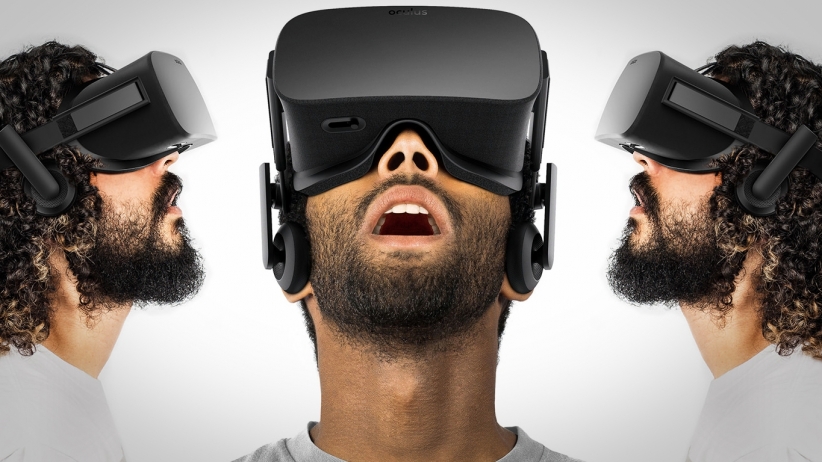 [Philip Lelyveld comment; actually, everything the author lists is talked about by VR developers and the press. The list is an interesting reminder of some issues - mainly the wide variety of what are called VR experiences.]
Expect the advertising industry to ruin VR’s reputation in 2016
2016 will see a slew of dumb, “why does it exist” experiences using VR. This will give VR a terrible reputation towards the back end of 2016 as this emerging tech gets bastardised in the name of promotion. Plus ca change.
Google Cardboard was built to annoy Facebook
Facebook announced that they had bought Oculus for over 2 billion dollars. Google created a cardboard box with two small lenses in it to ensure that everyone understood just how simple VR hardware actually is to produce. While Cardboard is and remains an interesting exercise it is in truth purely a cardboard box for a 600 dollar phone. No expensive phone? No VR experience.
See the full post here: http://www.indestry.com/blog/
The evidence is clear: Apple’s next big thing will be virtual reality
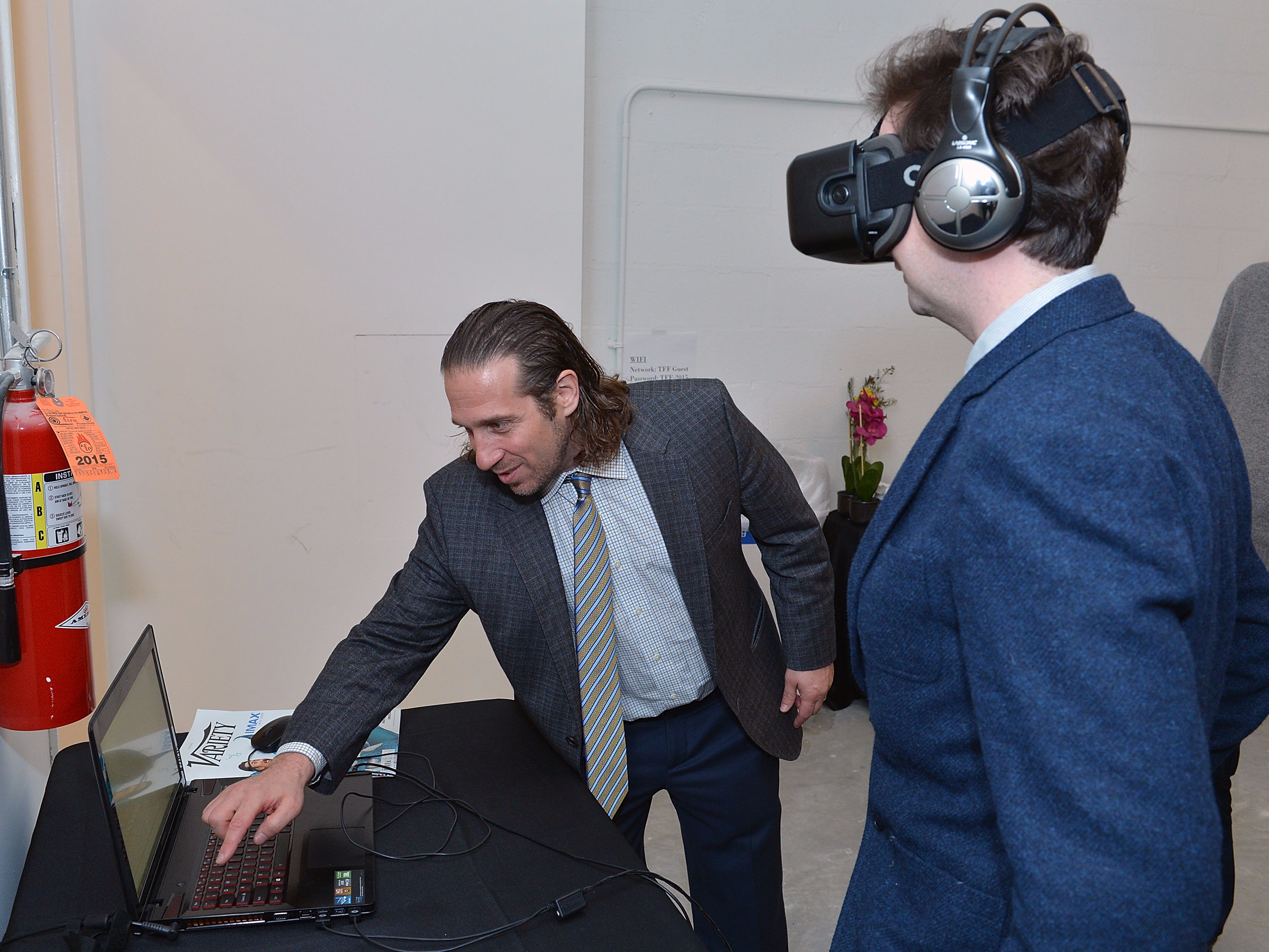 One of the first stops for a Silicon Valley technologist interested in exploring virtual and augmented reality is Stanford University's Virtual Human Interaction Lab, operated by Jeremy Bailenson since 2003. In the past week, he shared an interesting anecdote:
"Apple hasn't come to my lab in 13 years — except they've come three times in the last three months. They come and they don't say a word, but there's a data point for you," Bailenson said.
Rumor has it that the iPhone 7 will include a new type of camera useful in augmented reality
See the full story here: http://finance.yahoo.com/news/evidence-clear-apples-next-big-181317768.html
View-Master Virtual Reality Starter Pack Now Available On Apple Online Stores
 Apple is now officially selling the View-Master Virtual Reality Starter Pack on its online store, offering the gadget for $29.95.
The move may be a bit surprising to some, especially considering that we recently heard rumbles that Apple had a secret VR team working on an in-house virtual reality headset.
Truth be told, virtual reality is on the rise and it's increasingly gaining momentum. Apple may not be ready to offer its own VR headset just yet, but in the meantime, it seems content with offering such a gadget on its online store.
The View-Master is a true classic, first debuting back in 1939 to allow for a 3D view of colored slides. Last year, Google and Mattel teamed up to breathe new life into the old View-Master, turning it into a virtual reality headset.
See the full story here: http://www.techtimes.com/articles/131370/20160207/view-master-virtual-reality-starter-pack-now-available-on-apple-online-stores.htm
Daqri execs hired
 Mike Lynch, who most recently tackled talent acquisition and human resources at SpaceX, will be joining Daqri as chief human potential officer; Roy Ashok, a former product management leader at Qualcomm, will be coming aboard as chief product officer; and Patrick Alo, a marketing leader from Virgin Group, will be appointed as chief marketing officer.
See the full story here: http://techcrunch.com/2016/02/05/augmented-reality-helmet-startup-daqri-nabs-former-spacex-qualcomm-and-virgin-group-execs/