[Philip Lelyveld comment: LifeCasting is back! Easier and with new controls.]
The premise was simple—everything his phone could see and hear, his followers could also see and hear.
It seems like just about everything you say and do might wind up on the Internet someday. But this was something different: with Yevvo, everything we said and did was on the Internet,right then and there.
Yevvo, which relaunched last year with new features and a new name—Air—isn’t the only app to allow people to broadcast their lives live. With the spread of high-quality smartphone cameras, not to mention camera-equipped wearable devices, the use of such apps is sure to become more common. And such personal broadcasting could start to change the social media landscape.
Air’s users notify contacts when they begin a broadcast, and then anyone following that feed can push-notify their followers to check it out too. Nothing is saved or stored for later. If you missed it in real time, you missed it.
Rubin and two others founded Yevvo after trying to figure out which parties to go to at a tech conference in Austin, Texas. They decided it would be nice to be able to actually show each other what a given scene was like.
...it is positioned at television media’s latest shift, from “being curated, and heavily produced, to tuning into who you want, based on who you know.”
See the full story here: http://www.technologyreview.com/news/535156/your-iphone-might-make-you-a-reality-tv-star/?utm_campaign=newsletters&utm_source=newsletter-daily-all&utm_medium=email&utm_content=20150218
Fashion designer Rebecca Minkoff debuted her Bohemian Fall 2015 collection down the catwalk last Friday. Filming the show using two high-tech cameras to see a 360-degree view of the show, Minkoff plans to release the show using virtual reality. It will be released in a few months since it will take around 50 days to get the experience ready for viewing.
Those who plan on attending the show through their Oculus Rift and Cardboard VR viewers can choose to view it from the photographer pit or from the beginning of the runway.
During London Fashion Week, TOPSHOP and Inition, a 3D agency, is allowing customers to experience their fashion show virtually, from their store located in Central London.
see the full story here: http://www.techtimes.com/articles/33133/20150216/fashion-week-brings-virtual-reality-runway.htm
 [Philip Lelyveld note: new AR technology is now working its way back into the industries where VR and AR originated!]
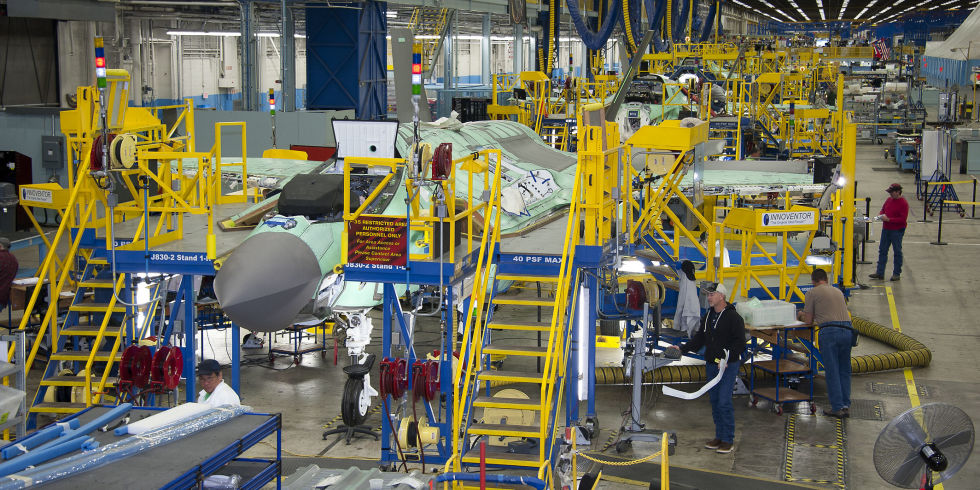
Until recently, Lockheed Martin needed a team of technicians with years of training to wrench on its sophisticated machines. But now, in the advanced factory where the company is building the F-35, engineers are using augmented reality glasses and educational software that provide real-time visuals during the plane's assembly, ensuring that every part on the warplane is in the right place.
Lockheed is collaborating with NGRAIN on a trial in which employees wear $700 Epson Moverio BT-200 glasses, transparent glasses with a front-facing camera that uses motion and depth sensors to overlay images onto the technician's working environment. When a glasses-wearing engineer is installing a brake component on the landing gear, they look at the wheel and the chunky glasses show renderings of every bolt and cable, with the part numbers and ordered instructions showing where each part fits. It's like being able to see a hologram of the Legos you need to assemble a project overlaid with the instructions, as opposed to looking down and checking the instruction manual.
See the full story here: http://www.popularmechanics.com/flight/a13967/lockheed-martin-augmented-reality-f-35/
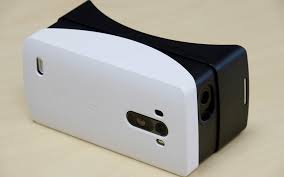 LG is offering a free alternative to rival Samsung's $310 Gear VR headset, giving new buyers of the G3 phone a virtual-reality headset based on Google Cardboard.
The South Korean electronics company said Monday that it'll soon kick off a new promotion that offers a virtual-reality headset -- the VR for G3 -- for free for new buyers of its G3 flagship smartphone. The headset, which is based on Google's Cardboard device, uses the G3 as the screen, allowing owners to use it for VR apps and games downloaded from the Google Play store.
Both headsets are just one part of a growing list of virtual-reality and augmented-reality products being created, as tech firms work to add new technologies into those previously unrealized markets. 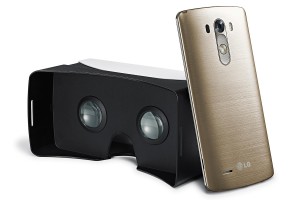
See the full story here: http://www.cnet.com/news/lg-to-give-away-new-vr-for-g3-headsets/
[Philip Lelyveld note: pure vaporware, but an interesting and different prototype design.]
Lang was able to try on the latest form factor prototype (photo above). It wasn’t functional, so we can’t comment on the field of view, but it was definitely more slim than earlier prototypes which had the phone mounted vertically. For the final design of the Kickstarter device, the company is aiming for something even more sleek, but there’s still a ways to go before we’d consider wearing it out and about.
See the full story here: http://www.roadtovr.com/seebright-wave-smartphone-ar-headset-widest-field-of-view-kickstarter-price/
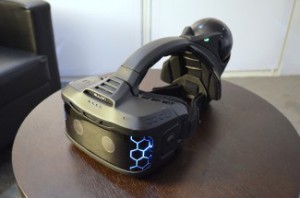 Sulon are not talking in detail about the Cortex’s hardware just yet, but Henderson was able to share an overview, “…it has a sensor built into it that allows it to scan the environment immediately when you put it on, within 20m in all directions,” he said. “…therefore it can sense what the environment is, scan it out and display to you what is in the room and also then convert that into a virtual reality experience as well.” As to what kind of power the untethered VR headset can offer, “The headset has many processors built into it, so you don’t plug into an external device like a PC or a laptop etc. which allows you to walk around.” The Cortex also houses dual, front-facing cameras that allow input through hand recognition.
See the full story here: http://www.roadtovr.com/sulons-don-henderson-cortex-augmented-virtual-reality-hmd/
 I’m sitting in a chair made by a startup called BRAINFIZZVR that vibrates. It’s subtle, but it’s enough to convince my body to join my mind in the virtual space station.
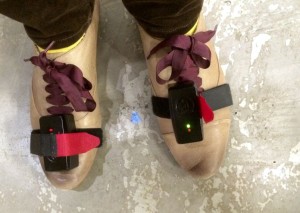
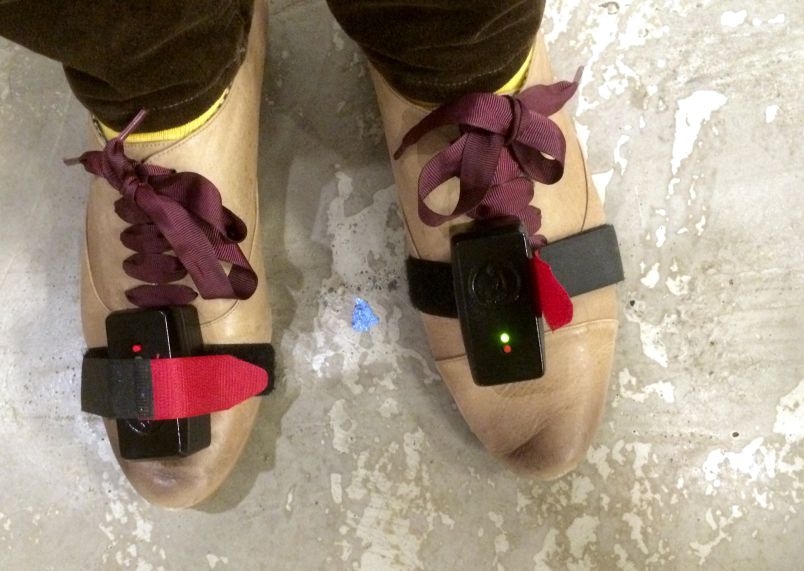
Stompz, a startup that makes motion sensors you strap to your feet. ... Just face your body in one direction and lift your legs up and down, and you move forward in virtual reality. Mismatched real and virtual motion can be a recipe for nausea, but I didn’t find that to be the case with Stompz. There wasn’t any vertigo either.
See the full story here: https://gigaom.com/2015/01/29/why-even-basic-accessories-can-make-virtual-reality-seem-real/?utm_
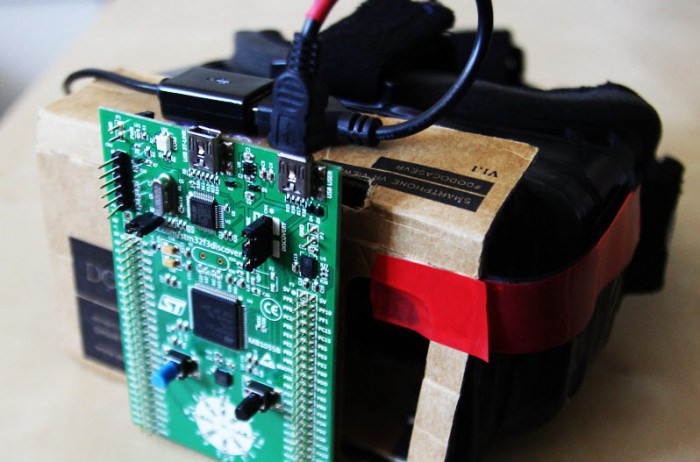
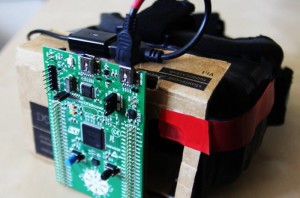 International developers have been waiting patiently to buy Samsung’s Gear VR mobile headset internationally ever since the US release on December 8th. Many of them have their virtual reality applications ready to go, yet they have no way to test them without a way to purchase the headset. That was at least until a developer in Australia plugged an Oculus Rift DK1 controller box into the Galaxy Note 4 (the phone that powers the Gear VR headset).
Mark Schramm (co-creator of VR Bits) was sitting at home one day at the end of 2014 wondering how he was going to test his company’s new Gear VR demos. So instead of waiting for Samsung and Oculus to figure out an international release date, Schramm started experimenting with other possible options. He began by stripping down one of his extra DK1 headsets, removing the controller box and connecting it to the Note 4. Surprisingly, he found that the phone correctly recognized the headtracking sensor in the DK1.
Schramm documented the entire process through some videos. In addition, all the steps were posted on a website aptly called Open-Gear.com. Since then, a couple of other developers across the globe have created their own Gear VR clones.
See the full story here:
...but Romo walked me through how it’ll work. I’ll admit: I was skeptical going in. Now? I’m a convert. This is the gathering space of our virtual reality future. As Edward Miller, the head of visual content for the VR news platform Immersivly, put it, this could well be “the beginning of [the] social sports broadcast.”
Strapping on an Oculus headset and some headphones, I was no longer in a cramped Altspace conference room. I was in a vast, high-ceilinged modern masterpiece of a parlor. With a futuristic cityscape out the window and a fireplace crackling off to the side, the room hosted a huge TV and a massive circular seating area around it, complete with comfy-looking cushions. Come Sunday, this is where dozens of people will come to watch the Seahawks and Patriots duke it out to be the NFL’s top dog.
Directional sound
If you watched the Super Bowl in the lobby of a hotel, you might be able to barely hear what someone on the other side of the room was saying, but if someone standing right next to you was speaking, you’d hear them loud and clear. That’s how it works in Altspace’s world, too.
Plus, it’s directional: ...
Tech has some limits
The company’s tech does have some limits. Because of the demands of processing all the audio and users’ voices, Altspace can generally handle only a few dozen people in a single space. Romo said he hopes for the Super Bowl, they’ll be able to get 75 together seamlessly. That means they’ll be running numerous instances of the Super Bowl party to accommodate everyone who wants in. Today, there’s 2,000 people on Altspace’s waiting list, but this weekend, it’s opening its doors to everyone.
See the full story here: http://venturebeat.com/2015/01/30/oculus-super-bowl-party-could-be-the-future-of-social-sports-broadcasting/
[Philip Lelyveld comment; I've met with FOVE. Emblematic Group is USC SCA's Nonny de la Pena's company. I've advised Vantage VR. ]
Each company gets $100,000.
FOVE (Hardware)
Creating a VR headset with eye-tracking
DeepStream VR (Healthcare)
VR games for pain relief and rehabilitation
Emblematic Group (Journalism)
Recreating non-fiction events in VR
Psious (Healthcare)
Platform for mental health practitioners to help patients cure fears using immersion therapy in VR
SDK (Training and Travel)
Industrial training and travel in VR
Solirax (Education)
Platform for exploration, discovery and creativity, developer of World of Comenius
EmergentVR (Social Media)
Application to create, edit and share 360 VR experiences with the world using mobile phones
Vantage VR (Entertainment)
180-degree viewing experience for concerts and live events
Triggar (Hardware)
360-degree capture camera and system
Reload Studios(Entertainment)
Game studio of developers and artists from Disney and Call of Duty
Innerspace (Entertainment)
High quality content focused on artistic and cultural expression
DISCOVR (Education)
Immersive learning experiences about exploring the ancient world
Thotwise (Entertainment) – Game studio focusing on exploration and suspense, developer of The Hum
Each company will be working at least partly in the Rothenberg Ventures office and will meet weekly for a mentor dinner. At the end of the three month program, the 13 startups will be part of Rothenberg Ventures’ ‘Founder Field Day’ event held at AT&T Park in April 2015, followed by an
SVVR demo day in May 2015.
See the full story here: http://www.roadtovr.com/rothenberg-ventures-river-ups-ante-1-3-million-announces-13-vr-startups/
 [Philip Lelyveld note: new AR technology is now working its way back into the industries where VR and AR originated!]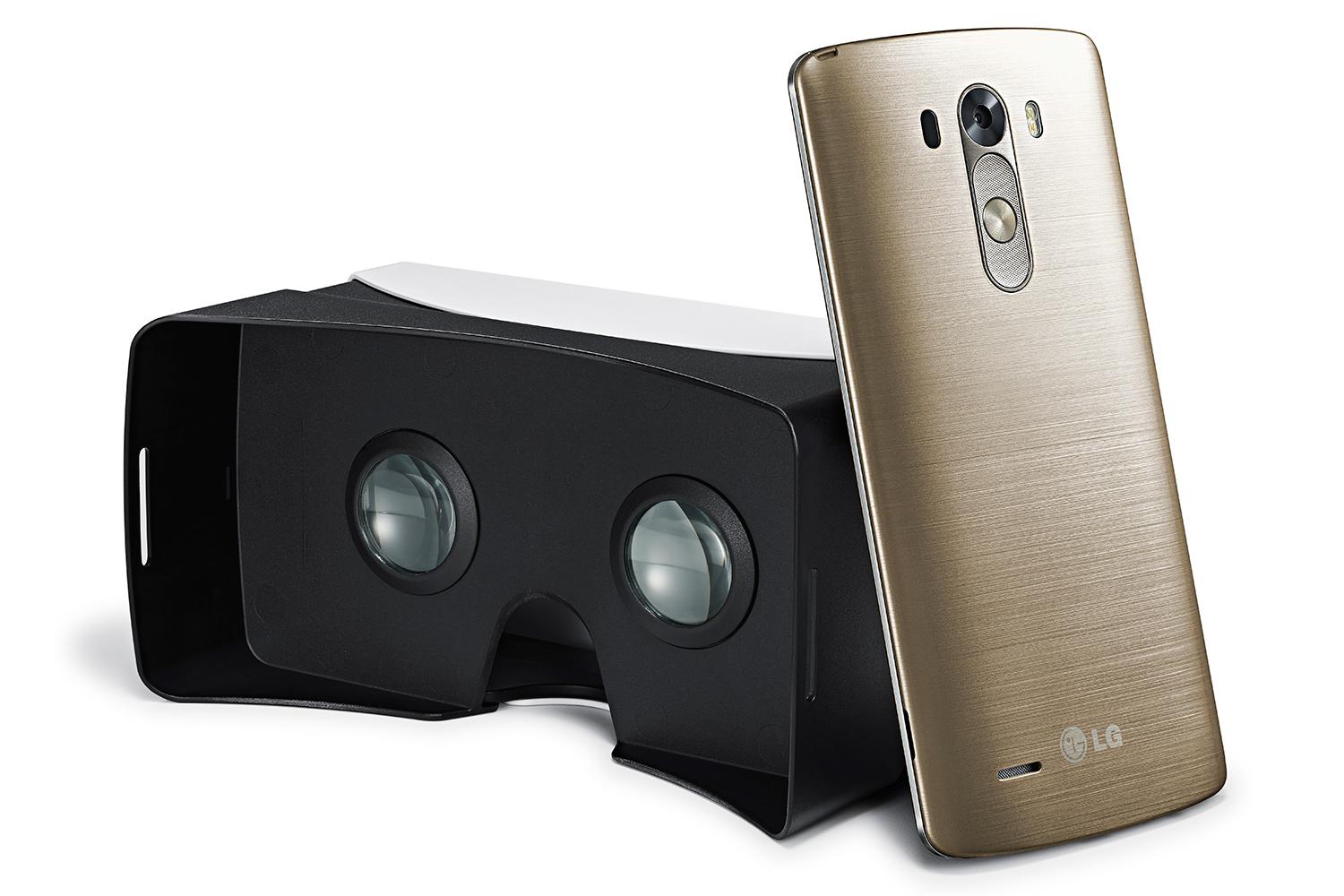
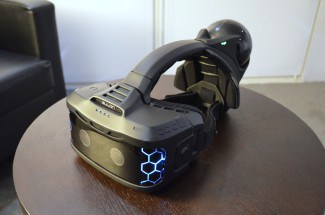 Sulon are not talking in detail about the Cortex’s hardware just yet, but Henderson was able to share an overview, “…it has a sensor built into it that allows it to scan the environment immediately when you put it on, within 20m in all directions,” he said. “…therefore it can sense what the environment is, scan it out and display to you what is in the room and also then convert that into a virtual reality experience as well.” As to what kind of power the untethered VR headset can offer, “The headset has many processors built into it, so you don’t plug into an external device like a PC or a laptop etc. which allows you to walk around.” The Cortex also houses dual, front-facing cameras that allow input through hand recognition.
 I’m sitting in a chair made by a startup called BRAINFIZZVR that vibrates. It’s subtle, but it’s enough to convince my body to join my mind in the virtual space station.
 International developers have been waiting patiently to buy Samsung’s Gear VR mobile headset internationally ever since the US release on December 8th. Many of them have their virtual reality applications ready to go, yet they have no way to test them without a way to purchase the headset. That was at least until a developer in Australia plugged an Oculus Rift DK1 controller box into the Galaxy Note 4 (the phone that powers the Gear VR headset).