The internet of things is great for chipmakers and a challenge for Intel
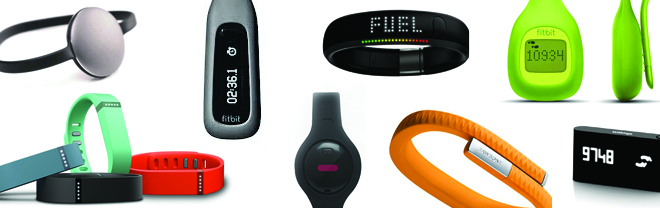 Yesterday, for the first time, Intel broke out details regarding the revenue associated with the internet of things. It was up 32 percent year over year to $482 million, a veritable nanometer of Intel’s $12.8 billion in total revenue for the first quarter. But the fact that the world’s largest chipmaker decided to break out its IoT platforms and software products marks a trend in the chip world.
Meanwhile, for the companies that have been in the embedded markets for decades selling radios, sensors and microcontrollers that are smaller than 32-bit, the internet of things is a huge opportunity that’s right in their wheelhouse. I’ve covered this before, but focused mainly on microcontrollers and sensors. But thanks to the introduction of the iPhone 5s last year and its dedicated M7 motion sensing processor there’s a new opportunity that IHS iSuppli says will grow 154 percent from last year to the close of 2014.
See the full story here: http://gigaom.com/2014/04/16/the-internet-of-things-is-great-for-chipmakers-and-a-challenge-for-intel/
3D PRINTING WILL DESTROY THE WORLD UNLESS IT TACKLES THE ISSUE OF MATERIALITY
 If 3-D printing does not fully take on this responsibility then the sustainability of our current highly ‘customised’ objects is likely to be under scrutiny, as the unit cost of printers falls and hobbyists make legions of white elephants out of toxic plastics and when our landfills are chock-a-block with yesterday’s badly made fashionable shapes. And while some – such as ultrasound embryo portraits – may have enduring sentimental value, it is likely that most will simply clutter up our rubbish dumps and precipitate our plastic marine continents as indestructible rubbish icebergs. Yet, 3-D printing could be a revolution in the making – but it’s not there yet. A lot more work needs to be done on its ecological profile so that it truly ruptures the conventions of industrial practices – and to do this, it must first urgently tackle the weighty issue of 21st-century materiality.
Read the full story here: http://www.architectural-review.com/home/products/3d-printing-will-destroy-the-world/8658346.article?curator=MediaREDEF
Bitcoin 2.0: Unleash The Sidechains
 So. We’ve got Bitcoin and its blockchain; and we’ve got scores if not hundreds of other blockchains, powering various altcoins and Namecoin and (soon) Ethereum et al. But blockchains, like social networks, benefit from a network effect. The most popular becomes the most resilient, the most powerful, the most valuable; and Bitcoin’s blockchain is, by far, the big dog today. These two facts have provoked a certain amount of anti-altcoin vitriol.
Sidechains are new blockchains which are backed by Bitcoins, via Bitcoin contracts, just as dollars and pounds used to be backed by cold hard gold. You could in principle have thousands of sidechains “pegged” to Bitcoin, all with different characteristics and purposes … and all of them taking advantage of the scarcity and resilience guaranteed by the main Bitcoin blockchain, which in turn could iterate to implement experimental sidechain features once they have been tried and tested.
If sidechains take off, though — which will require some changes to the core Bitcoin protocol — this probably bodes ill for the existing altcoins.
Read the full story here: http://techcrunch.com/2014/04/19/bitcoin-2-0-unleash-the-sidechains/?ncid=tcdaily
Shape-Shifting Touch Screen Buttons Head to Market
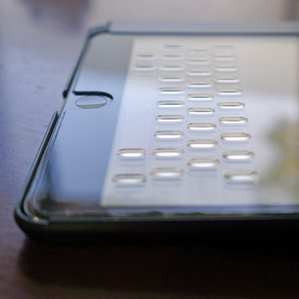 As they peck out text on the featureless glass surface of their phone or tablet, some people still mourn the passing of the physical keyboard. Now technology is heading to mass production that can offer the best of both worlds: a featureless surface for watching video and buttons that rise out of it when you need to type.
That technology was developed by startup Tactus Technology, which uses tiny fluid-filled channels and elastic blisters to make buttons rise up from a device’s screen and then disappear without trace when they’re no longer needed (see “Demo: A Shape-Shifting Smartphone Touch Screen”).
Electronics manufacturing giant Wistron has now modified equipment at one of its factories in China to produce touch-screen panels with the shape-shifting technology inside. Wistron is one of the world’s largest electronics manufacturers; it’s made devices for brands including BlackBerry, Apple, and Acer. The company also recently became an investor in Tactus.
NBCUniversal Makes Digital Programming Push
 NBCUniversal is making a big push into digital programming with the launch of a slate of online-first series.
“Much of the uncaptured value in the online world can be unlocked with smart collaborations between creators and clients,” said Jeff Wachtel, NBCUniversal Cable Entertainment president and chief content officer. “This year, we’re making a big push to building that bridge.”
See the full story here: http://www.hollywoodreporter.com/news/nbcuniversal-makes-digital-programming-push-696250
Ourscreen lets you call the shots at selected cinemas
[Philip Lelyveld comment: In the US we have Tugg.com, in the UK they have Ourscreen.]
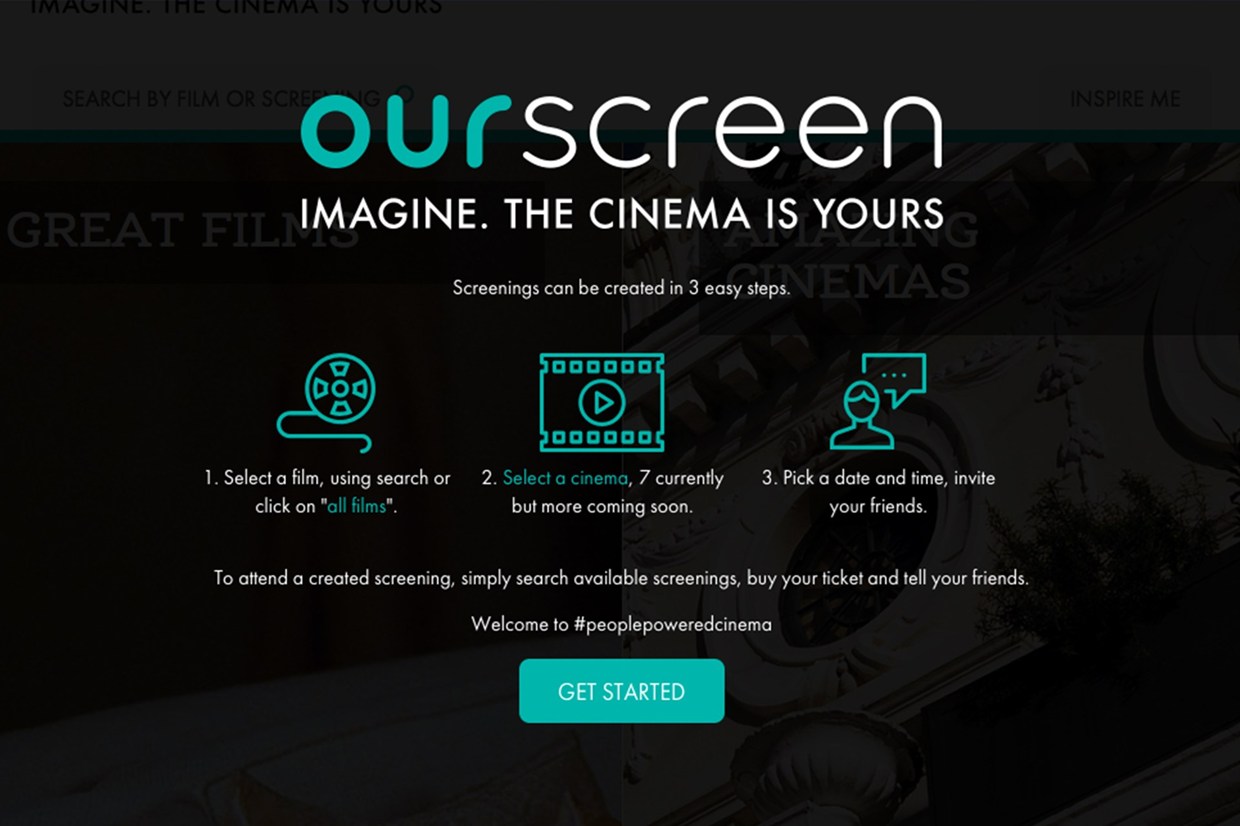 Ourscreen is a concept ported over from the US where groups of people can arrange to see a film at their local cinema that's not on the regular listing. It functions in a similar way to Groupon, in that a showing can be booked but is only confirmed once a certain number of people buy in. The number is based on an estimate you give, which also affects the ticket price. So if you think you can draw a good crowd, you'll benefit from cheaper tickets, but the threshold to confirm your booking will be higher.
In case you're worried about finding enough friends to pile in with, screenings can also be organised as private or public viewings -- although this does also open your perfect cinema experience up to the uncertainty of sharing with (possibly loud) strangers. The website currently has around 200 films to choose from, ranging from new releases such as The Borderlands, to cult classics like Groundhog Day andThe Evil Dead, but there are hopes that many more will join the roster soon.
See the full story here: http://www.wired.co.uk/news/archive/2014-03/21/ourscreen-crowdsourced-cinema
Google targeting Project Ara modular phone for January 2015
[Philip Lelyveld comment; first reaction - swapping out and adding components is how PCs used to be and helped birth the hacker community. Second reaction - fricking awesome idea.]
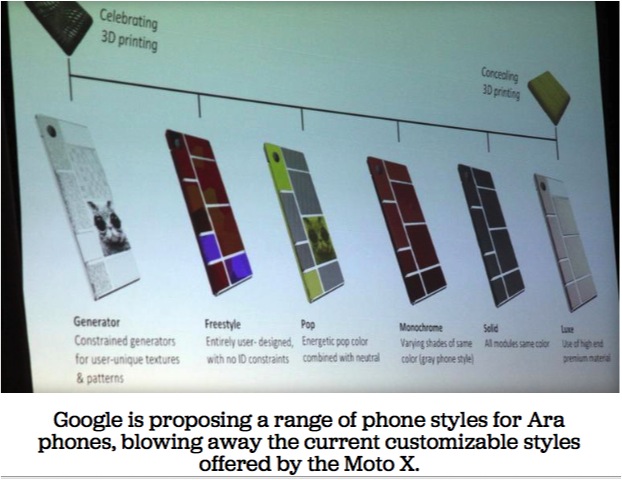
Eremenko told an audience of around 200 people at the Computer History Museum here that the general public won't have to wait long for their first shot at the Project Ara "gray phone." It's scheduled to go on sale in January 2015 for around $50.
Ara's endoskeleton, the chassis that will hold the modular components together, will last for "five to six years," said Eremenko. The components will stay attached to the frame via electro-permanent magnets, and they will use the UniPro standard for communication between modules.
Between now and January, however, Eremenko and the two other full-time Project Ara team members at Google have a lot of work to do. They collaborate with a broad range of partners, from academic experts at the Massachusetts Institute of Technology and Carnegie Mellon, to business partners such as 3D Systems, a 3D printing company that's building a massive 3D printer so components can be easily fabricated.
The idea could revolutionize phone sales. Instead of having to buy a new phone to get the latest hardware, you might simply be able to buy a new version of the component you want to replace. The modularity would let you replace parts you don't want with ones that you do.
See the full story here: http://www.cnet.com/news/google-targeting-project-ara-phone-for-january-2015/