Virtual Reality Asserts Itself as an Art Form in Its Own Right
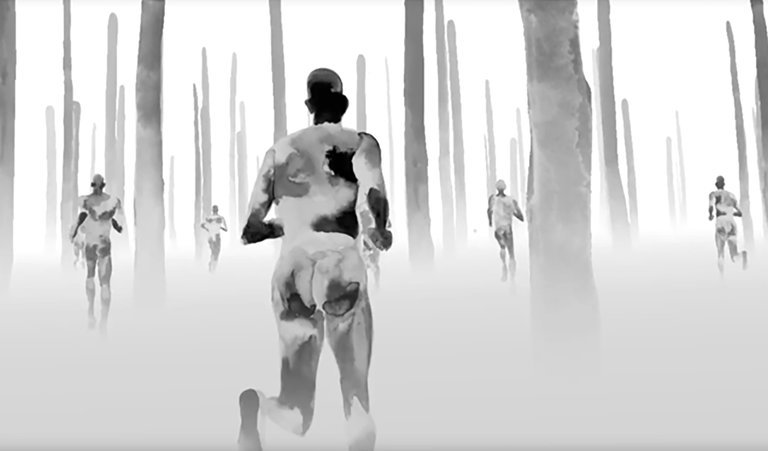
 The Berlin-based artist Olafur Eliasson said that we were only in “the Stone Age” or prehistoric period for the medium.
“There is a new space out there where a lot more people will have access to artistic experience,” he said last week in a panel discussion here at the Art Leaders Network hosted by The New York Times. He added that “the quality of the glasses is getting so much intensely better” over the three years he has been experimenting with virtual reality.
Mr. Eliasson envisions a future in which people access art “on a platform like Netflix” once the necessary equipment is more widespread and the business model more developed. “Rainbow” was presented in March at the contemporary exhibition space Kunsthal Charlottenborg during the Copenhagen International Documentary Film Festival.
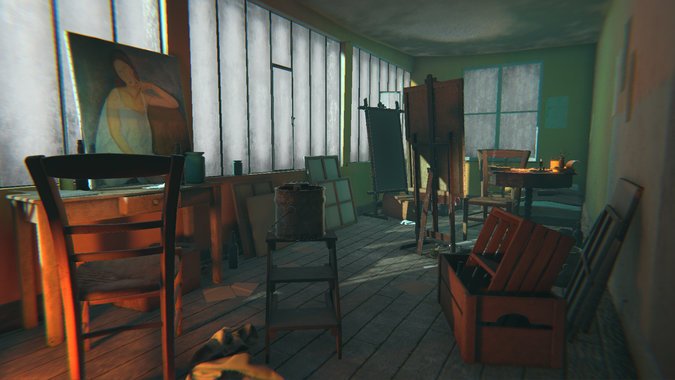
If virtual reality has proved useful as an educational tool through recent initiatives such as a re-creation of Modigliani’s last Parisian studio at the Tate Modern in London, it is still asserting itself as an artistic form in its own right. A panel discussion with Sandra Nedvetskaia, partner of the virtual-reality production company Khora Contemporary, and Edward Klaris, an adviser and lawyer specializing in intellectual property, addressed some of the issues at stake.
While a painting is acquired through a single sale payment, Mr. Klaris said, virtual-reality works may demand a monetization plan more along the lines of the film industry. An artist who creates such a work “might be paid every time it is sold or distributed,” he said.
Ms. Nedvetskaia cited a “triangular” business model involving the artist, production company and gallery. The structure varies on a “case-by-case basis.”
But the collector base is just developing. “It is too early to talk about at this point,” she said of “a very nascent market” while mentioning sales in Asia and the interest of private museums and collections.
“When art doesn’t move people emotionally, it has no purpose,” she said. “The next generation only grows up with screens. They have a totally different point of access.”
“There use to be these categories,” he said. “High art, fashion, commerce, you name it. Artists have demolished that.”
See the full story here: https://www.nytimes.com/2018/05/01/arts/art-leaders-network-berlin-vr-virtual-reality.html