Vive by Value – The Best Virtual-Reality Experience So Far
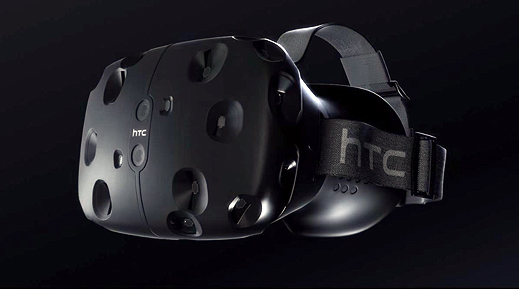 Vive is distinguished from its two major rivals in a key way: it comes with two 6-by-6-inch laser tracking boxes that track your body as you move around a room. In this way you’re able to physically wander the simulated scene. Draw near to a wall in your home and phantom barriers shimmer into view within the virtual world to warn you of impending collision.
...
You interact with the simulated worlds via two remote controls, which appear as virtual devices inside the game, mapping to your own gestures and movements. In an extraordinary art demo, a virtual palette of paints sticks to one of your hands, while the other holds a brush.
....
In another of the demos you must cook a meal as if you were a chef in a restaurant: walking between the fridge and the cooker, breaking eggs into a saucepan, chopping up tomatoes, and so on.
...
The freedom of movement Vive affords its user within the simulation separates it from Oculus Rift and Morpheus, in which you can, at most, lean for a better view of the virtual world. Of course, in a conference setting within a specially built room, free of clutter and furniture, the technology was shown in its best light. How well the design will translate to the untidiness of the home is unclear. Nevertheless, Vive is an astonishing development in the rapidly evolving virtual-reality landscape, one that lends early credence to Yoshida’s bold claim of an emerging medium.
Read the full story here: http://www.technologyreview.com/view/535941/the-best-virtual-reality-experience-so-far/