Anatomy students in Australia are using virtual and augmented reality to learn about the body
 The pilot of the technology is being used to help boost spatial awareness, accessibility and explorative learning, La Trobe University said in an announcement Monday.
“Augmented reality allows students to visualize and manipulate anatomical structures and develop a deep understanding,” McDonald said. “You can superimpose anatomical structures over a peer who can perform movements along with the app, to better understand muscle function,” he added. “It is a great resource for both team work and self-directed learning.”
The university said that, in terms of cost, the use of AR technology amounted to 10 Australian dollars ($6.74) per student compared to over 100 Australian dollars for just one textbook.
See the full story here: https://www.cnbc.com/2019/10/08/anatomy-students-are-using-virtual-and-augmented-reality-to-learn.html
New Microsoft patent shows off a floor mat for your virtual reality experiences
 The patent, spotted by Variety, details a floor mat that marks out a boundary for a gaming space. Your VR or AR headset could use the boundaries of the mat to work out where you are, and provide haptic feedback under your feet to help you stay within those boundaries.
As well as keeping you from knocking the television over or standing on the cat, the mat could also buzz your feet to provide in-game feedback as well. There are all sorts of possibilities that developers could make use of.
Pressure sensors inside the mat could be used to help work out a user's position in three-dimensional space, the patent suggests, reducing the reliance on cameras and sensors on board the VR/AR device itself for tracking position.
One other idea floated by the patent is having a dedicated 'starting point' in the middle of the mat – once the user stands in this position, a particular game or experience (or whatever it is) could launch into action.
See the full story here: https://www.techradar.com/news/new-microsoft-patent-shows-off-a-floor-mat-for-your-virtual-reality-experiences
TicTok bans political advertising
 Already under fire for advancing Chinese foreign policy by censoring topics like Hong Kong’s protests and pro-LGBT content, the Beijing-based video app TikTok is now further distancing itself from U.S. social media platforms, like Facebook, Twitter and Instagram, with a ban on political ads on its app.
The company today says it will not allow political ads on TikTok, noting they don’t fit in with the experience the short-form video app aims to offer.
See the full story here: https://techcrunch.com/2019/10/03/tiktok-explains-its-ban-on-political-advertising/
Peter Thiel’s VC Fund to Host Conference for Ideological ‘Heretics,’ Maybe Summon a Ghost or Two
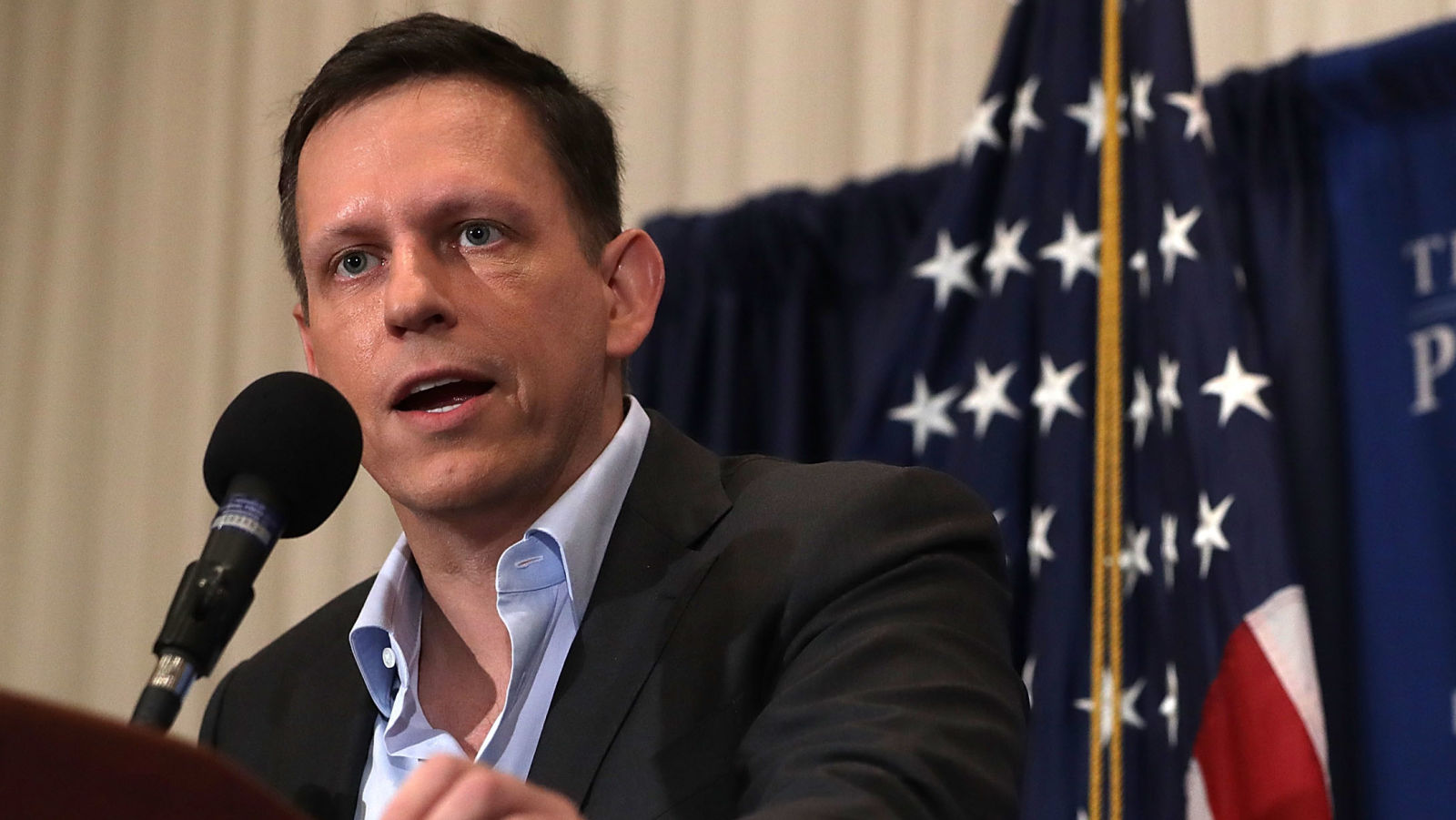 “Ideological outcasts” who have been “banned from other conferences”—surely the country’s most beleaguered minority—can soon find a home with other like-minded individuals at “Hereticon,” a three-day conference being planned by the Founders Fund venture capital firm.
Topics including but not limited to: biological self-determination (modification, design), geo-engineering, transhumanism, the abolition of college, transgressive media, sex, the softer side of doomsday prepping, the nature of conspiracy, the benefits of starvation, constitutional monarchy (what?!), revisionist demography, immortality, drag culture, and building nations. After dark, on the top floor of our hotel, in a hidden room plastered in newspaper clippings of sightings and secret bases, there may be a talk or two on UFOs and literally a séance.
“We believe dissent is essential to human progress and hope Hereticon will spark important conversations within our community and beyond—that’s really the only goal,” Founders Fund vice president Michael Solana told Business Insider.
https://medium.com/@foundersfund/hereticon-2bb9b23928d5
See the full story here: https://gizmodo.com/peter-thiels-vc-fund-to-host-conference-for-ideological-1838685821
Predicting the future is now possible with powerful new AI simulations
 The idea that the Trump campaign is planning to use MAAI is pure speculation. But in terms of technology, there is nothing to stop it. MAAIs are already being used to build digital societies that simulate real ones with uncanny accuracy.
See the full story here: https://www.newscientist.com/article/mg24332500-800-predicting-the-future-is-now-possible-with-powerful-new-ai-simulations/
The Future Of Digital Is Analog: Art And Augmented Reality At Adobe’s Festival Of The Impossible
The 2019 Festival of the Impossible, organized in San Francisco by Adobe, provided a deeply fascinating exploration of art and creativity in the context of human-machine interaction.
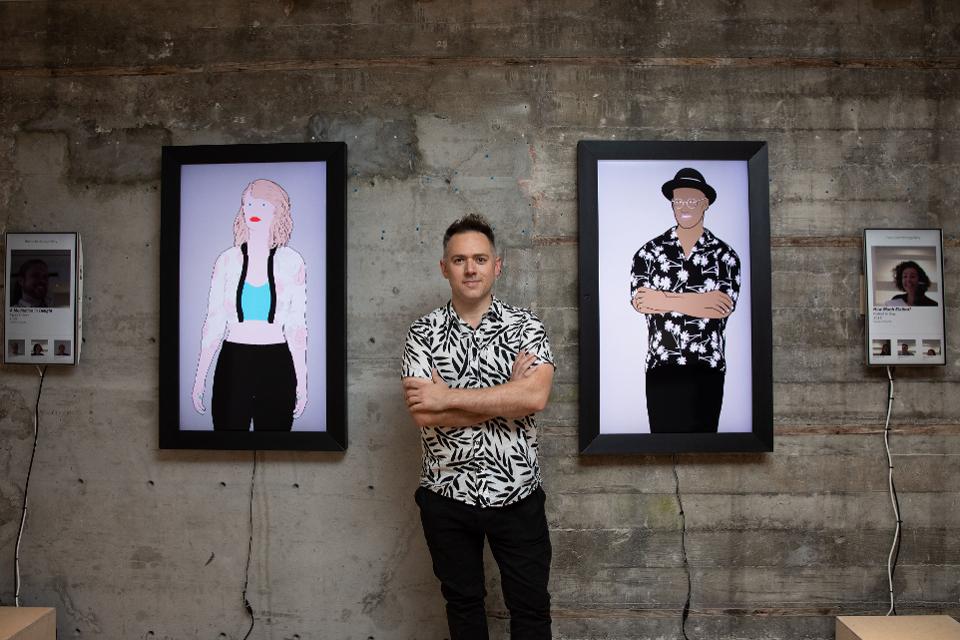 In Collectors, by Gabe Barcia-Colombo, two human-looking avatars hang framed on the wall like works of art in a museum. But as you look at them, they look at you with a critical eye before deciding whether you are interesting enough for them to whip out their smartphones, take a picture of you and post it on social media—much the way we do in museums. Their AI weighs a host of aesthetic criteria before rendering its judgement. The role reversal is oddly unsettling, especially if they lose interest in you and turn away without snapping a photo.
“The future of digital is analog” posits Parasnis: new digital technologies will help us bring back the physicality of the experience, make us more present, more aware of our surroundings.
See the whole story here: https://www.forbes.com/sites/marcoannunziata/2019/10/02/the-future-of-digital-is-analog-art-and-augmented-reality-at-adobes-festival-of-the-impossible/#2d7f660d790a
Osmo and Disney create AI-based children’s drawing app for Frozen 2
 Kids guide the story in Osmo Super Studio by creating real-world drawings that are “pulled” into the story’s digital world. It boosts kids’ creativity as they help to shape the storyline with whatever they imagine belongs in the tale. Kids can follow Anna, Elsa, and the whole Frozen crew through the story, adding their original art and immersing with the story.
The platform uses AI to discern what a child is drawing in front of the iPad’s camera. It can see colors and shapes, and that makes the interaction with the child seem more magical.
Osmo’s proprietary Reflective AI technology — which allows iPad or Fire Tablet cameras to “see” physical objects in front of it — is at the heart of this new drawing experience that gives kids a blank canvas to express themselves through story and by drawing their favorite Disney characters.
Osmo Super Studio is suggested for kids ages 5 and up and is available as an add-on to existing Osmo sets for $19. Target will carry an exclusive Super Studio Kit that includes an Osmo iPad Base for $59.
See the full story here: https://venturebeat.com/2019/10/04/osmo-and-disney-create-ai-based-childrens-drawing-app-for-frozen-2/