What the Associated Press has learned from a year of VR
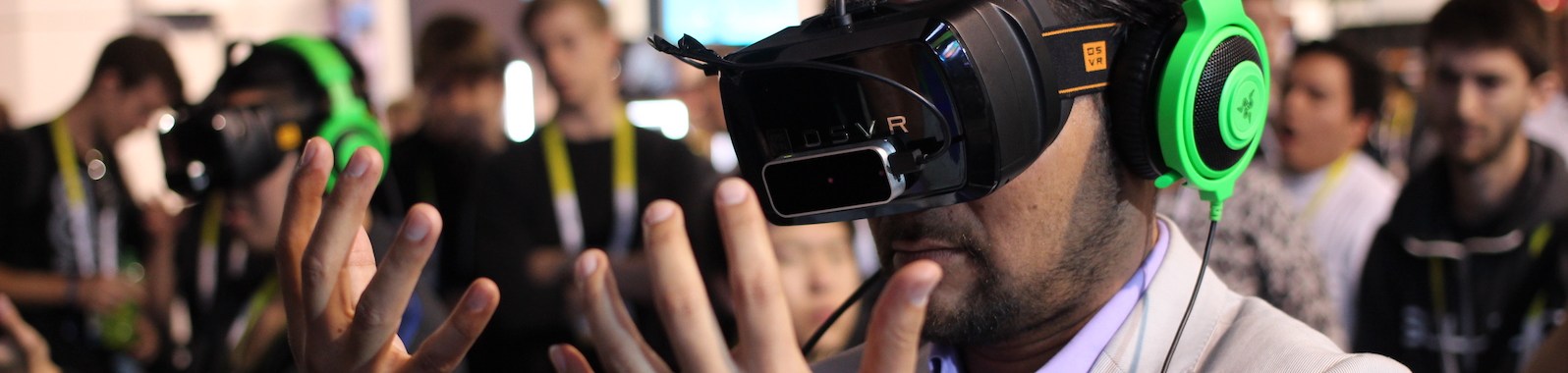 AP said one of the big lessons is understanding when VR and 360 video won’t work. For example, a reporter went to New York’s recent fashion week to try to shoot a piece of VR, when they realized it wouldn’t work for the medium because the viewer, positioned as a member in the audience, is focused on one point: straight ahead. When the viewer would turn around, they’d see other cameras towering over them.
“Most events are not designed for VR,” said Marconi. A similar situation occurred at the Oscar’s for which AP did a 360 video. “If you look at the front you see red carpet but if you look back you see cameras and journalists towering over you. You have to ask how do you create an experience to immerse the user,” he said.
“The rule of thumb is ‘would you look around you in a certain situation?’ if the answer is yes, then maybe there is an opportunity to create a VR experience,” echoed Cheung.
“The key will be to compliment coverage and not inundate consumers with too much information. It’ll be a fine balance and we as an industry need to be careful and focused when it’s right to use technology.”
See the full story here: http://digiday.com/publishers/aps-learned-vr-360-videos/
FOVE Eye-tracking Headset Gets Final Specs and Pre-order Date
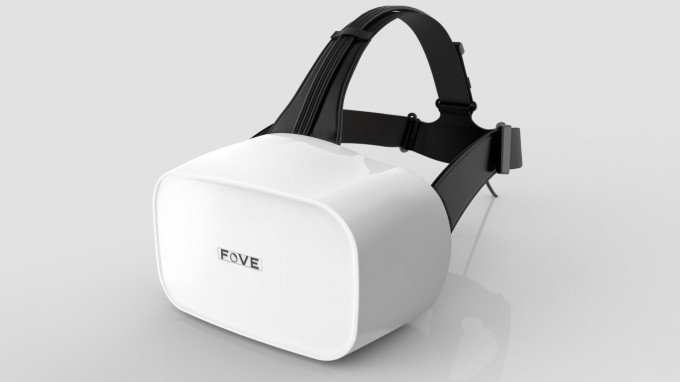
[Philip Lelyveld comment: human subject testing recently found that high resolution and a lot of motion in the periphery can be bad and induce sim sickness. Eye tracking and foviated rendering may be key to avoiding sim sickness.]
FOVE 0 Specifications
- Display: WQHD OLED (2560×1440)
- Display Refresh Rate: 70Hz
- Field of View: 90 ~ 100 degrees
- Tracking:
- Head Tracking
- Rotational
- Positional
- Eye Tracking
- 120FPS infrared x2 (accuracy <1 degree)
- Head Tracking
- Weight: 520g
- Audio: 3.5mm audio jack
- Connections: HDMI 1.4, USB 3.0, USB 2.0
- Accessories: Positional tracking camera, face cushion
See the full story here: http://www.roadtovr.com/fove-0-eye-tracking-vr-headset-final-specs-pre-order-date/
Forget VR. The Future of Roller Coasters Is About Maglev
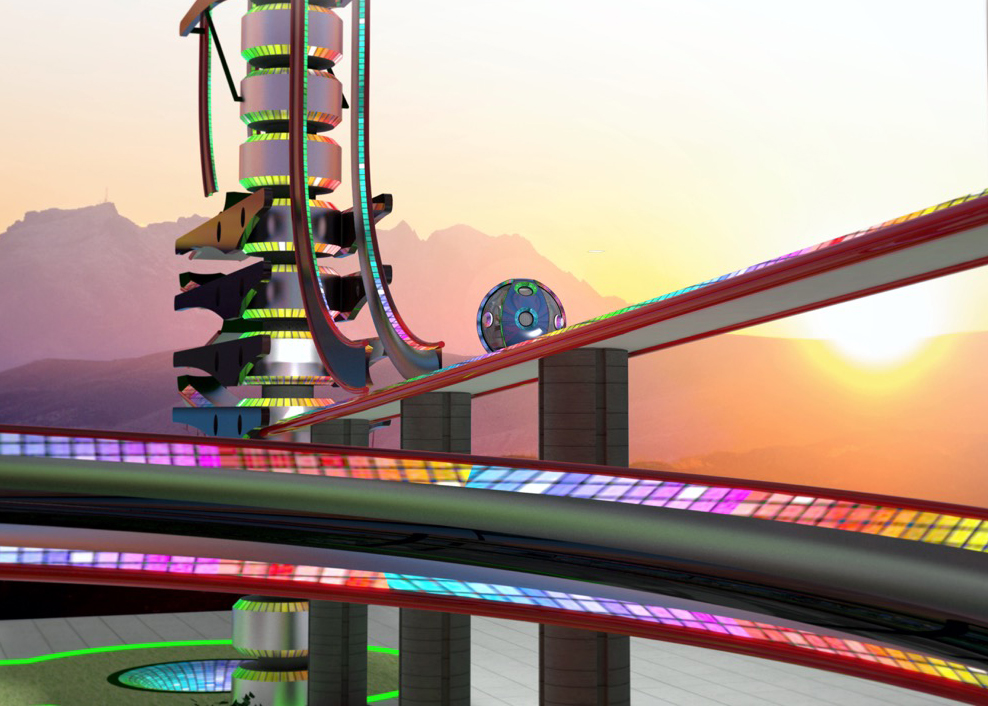 SOME PEOPLE THINK the future of the amusement is all about virtual reality. I think it’s about a mix of electromagnetic acceleration, free falls, and untethered jumps into water.
But what if there was no friction at all? What if there were no rails or wheels? What if electro magnets propelled the cars? This is the idea behind the Sfrear Mountain Coaster.
The concept would mark an entirely new rider experience, combining a cushy ride, incredible speed, free falls, underground tunnels, water diving, and heart-racing turns and loops.
A 6-foot-wide, transparent sphere replaces the traditional open-top car. All three passengers, strapped in with conventional padded restraints, would get a clear view of their fellow riders’ gawking faces, along with the world spinning by.
The majority of the track would be tubular with an open top, to keep the sphere on the right path.
See the full story here: https://www.wired.com/2016/09/forget-vr-future-roller-coasters-maglev/
How Japan Studio created the first virtual reality “couch multiplayer” game with The Playroom VR
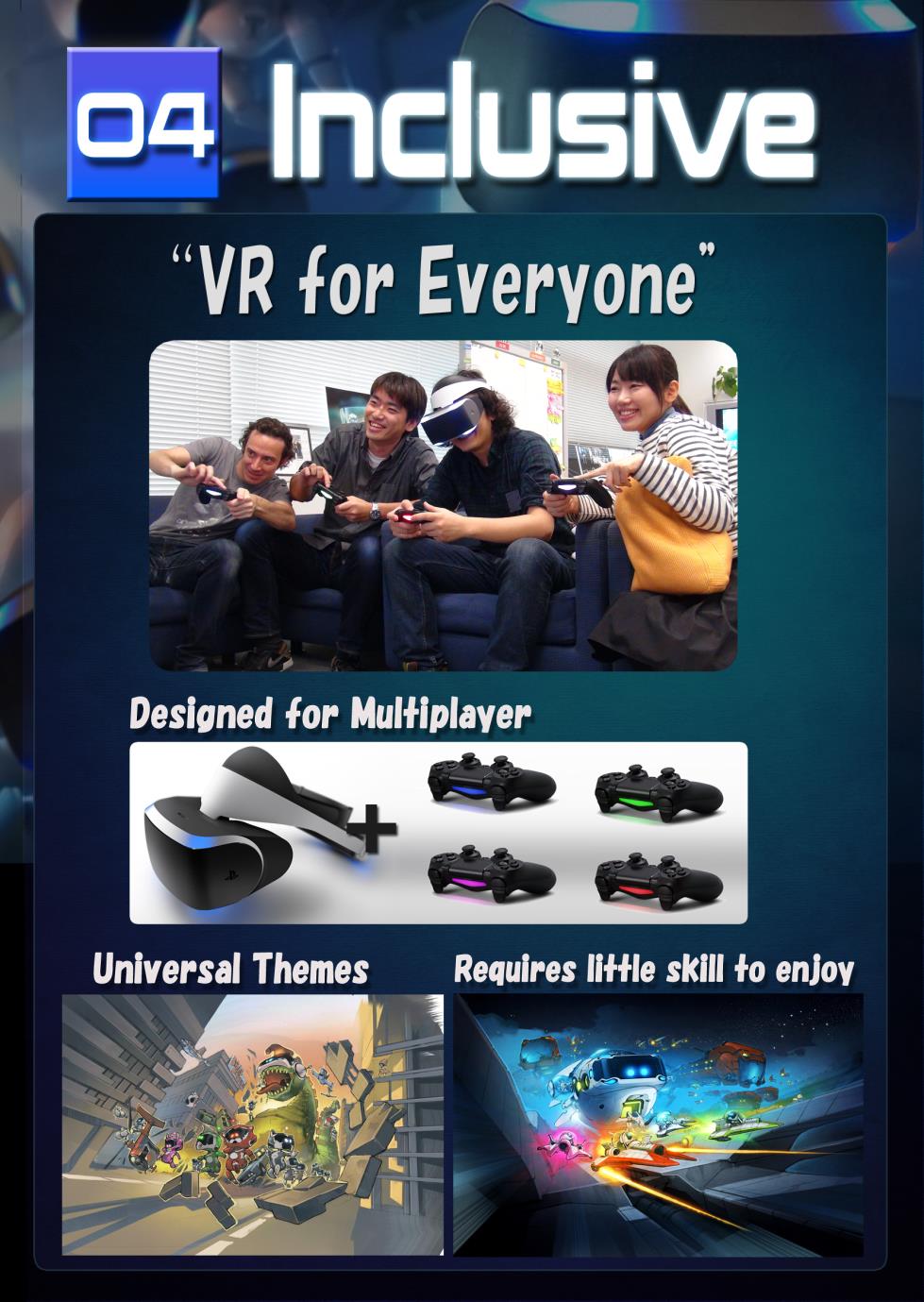 The Playroom contains six unique virtual reality games designed to be enjoyed by friends and families. The particularity of our title is that it mixes VR play with classic TV play to become the first ever sofa multiplayer experience released on VR.
However, what makes us different is that PS VR sits in the living room, and we know that all PS4 systems have a television screen nearby as well. If only those TV screens could also be used in conjunction with VR, perhaps new avenues would open up?
So we set ourselves a goal: to offer an inclusive VR experience where friends and families would be shouting and laughing together in the same room.
See the full story here: https://blog.eu.playstation.com/2016/09/26/how-japan-studio-created-the-first-virtual-reality-couch-multiplayer-game-with-the-playroom-vr/
Asbury PR Agency Marks 20th Anniversary Milestone: Now Representing Virtual Reality Projects and Clients
 The Beverly Hills, CA-based Asbury PR Agency will celebrate its 20th Anniversary on October 1, 2016, and concurrently, has just begun representing Virtual Reality and Augmented Reality (VR/AR) Content Producers, Projects and Exhibitors. The announcement was made by Dan Harary, President/Founder, Asbury PR Agency.
As the PR agency for SIGGRAPH, the world’s biggest, annual, digital arts, VR, animation and visual effects industry conference, the Asbury PR Agency has established a strong media foothold within the rapidly burgeoning Virtual Reality content arena. The agency also represents Cogswell College, the very first college in the United States to offer a Certificate Degree Program in Virtual Reality & Augmented Reality (VR/AR) Production, and other digital content creators now expanding their services into the VR/AR arena.
See the full story here: https://www.shootonline.com/spw/asbury-pr-agency-marks-20th-anniversary-milestone-now-representing-virtual-reality-projects-and
Pokémon Go User Survey: Marketing Via Augmented Reality Will Be Complex
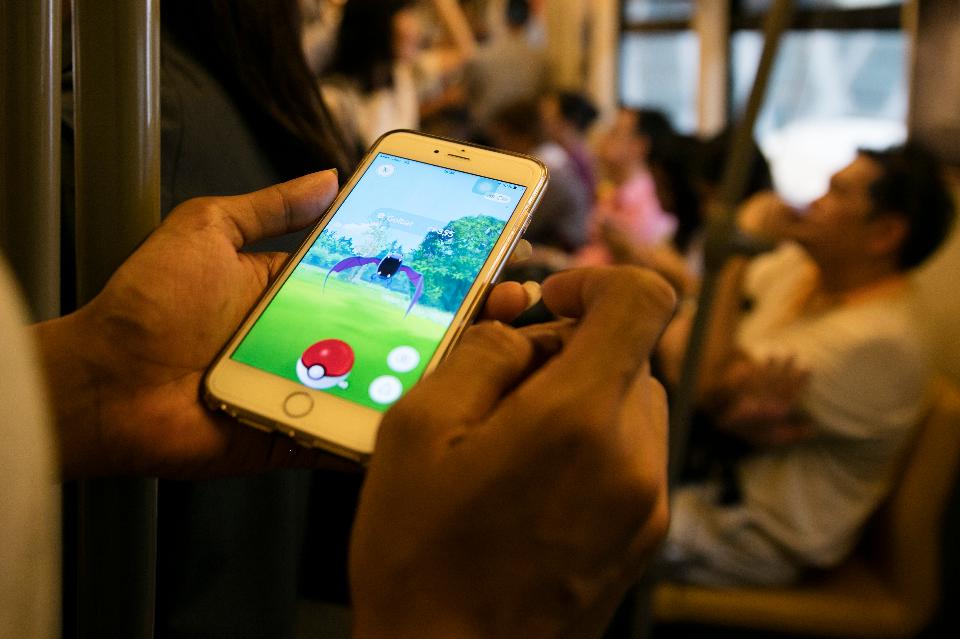 The firm surveyed 400 U.S.-based Pokémon Go users from ages 14 to 55+ and found that even predicting your own personal future use of AR was difficult. Why? The answers to one question seem to be most illuminating:
If you could choose a new Augmented Reality game what would it be based on?
| Games you grew up with | 49.37% |
| Movies or TV shows | 21.30% |
| Locations or destinations | 16.29% |
| Music | 13.03% |
Ages 25-44
| Games you grew up with | 53.92% |
| Movies or TV Shows | 19.35% |
| Locations or destination | 15.21% |
| Music | 11.52% |
… versus those who were not part of the first Pokémon craze …
Ages 55+
| Games you grew up with | 31.25% |
| Locations or destination | 31.25% |
| Movies or TV Shows | 15.63% |
| Music | 21.88% |
Pokemon Go will soon start advertising on its app. Wouldyou pay for an ad-free option?
|
No – Its not worth the money
|
45.61%
|
| Maybe - Depends on the cost of the ad-free option |
29.82%
|
| Yes – I hate ads | 24.56% |
Both the youngest demographic (14-24) and next youngest (25-44) were the most likely to buy their way out of ads, with 44.2% from both age ranges saying they would rather watch ads than pay. For AR game developers, that is pretty good news looking forward, but it is a murky answer for marketers.
That doesn’t mean there’s no commerce in the app itself. From the report:
22% of Pokémon Go players have spent at least $10 on “Pokémon Go Coins,” with 2% spending over $100. Men were far more likely to spend higher dollar amounts ($50-$200+) than women. The 54+ age group was the most statistically likely group to spend over $200.
While playing Pokemon Go how often do you patronize the locations you visit? All ages:
| Sometimes | 35.09% |
| Never | 28.57% |
| Often | 22.56% |
| Infrequently | 13.78% |
But if you thought older people would report patronizing businesses more, think again. The very youngest (14-17) were most likely to say “Often” (30.56%) and the whole age (14-24) said “Often” or “Sometimes” a whopping 63.16 percent. Ages 25-44 were not too far behind, saying they patronize game locations either often or sometimes 58 percent of the time.
On other other hand, 53 percent of the oldest players (54+) say “Never” or “Infrequently” to patronizing game locales. The generation right behind them (45-54) reported little to never 46.3 percent of the time.
See the full story here: http://www.forbes.com/sites/michaelhumphrey/2016/09/26/pokemon-go-user-survey-marketing-via-augmented-reality-will-be-complex/3/#7bd33c685d9d