Sony Says It’s “Not Entirely Comfortable” Leading Virtual Reality Market
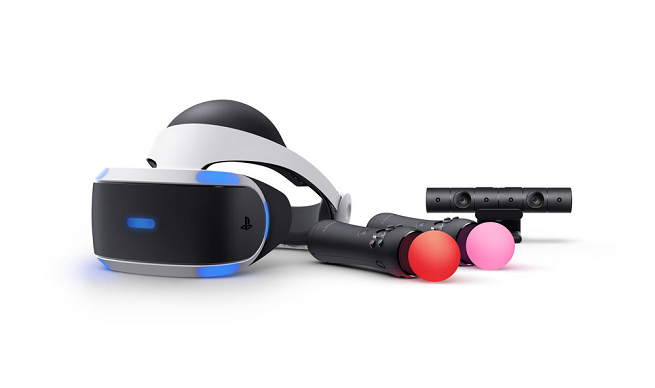 House went on to say that Sony would actually prefer that other companies were performing better than they currently are, saying that it would bode better for both Sony and the entire VR market in general.
“With such a brand new category you want a variety of platforms all doing well to create that rising tide and create the audience,” House said.
According to data pulled from the International Data Corporation that backed up the claim of Sony’s dominance, the VR market has grown since last year with Sony leading its competitors in sales. Samsung actually boasted the largest share in the VR department ahead of Sony during Q2, but Sony is still beating those companies that compete directly against it such as Facebook with their Oculus Rift and HTC with the Vive.
See the full story here: http://comicbook.com/gaming/2017/09/24/sony-not-comfortable-leading-virtual-reality-market/
Israeli Startup Augmedics Lands $8.3M for Augmented Reality Glasses for Spinal Surgery
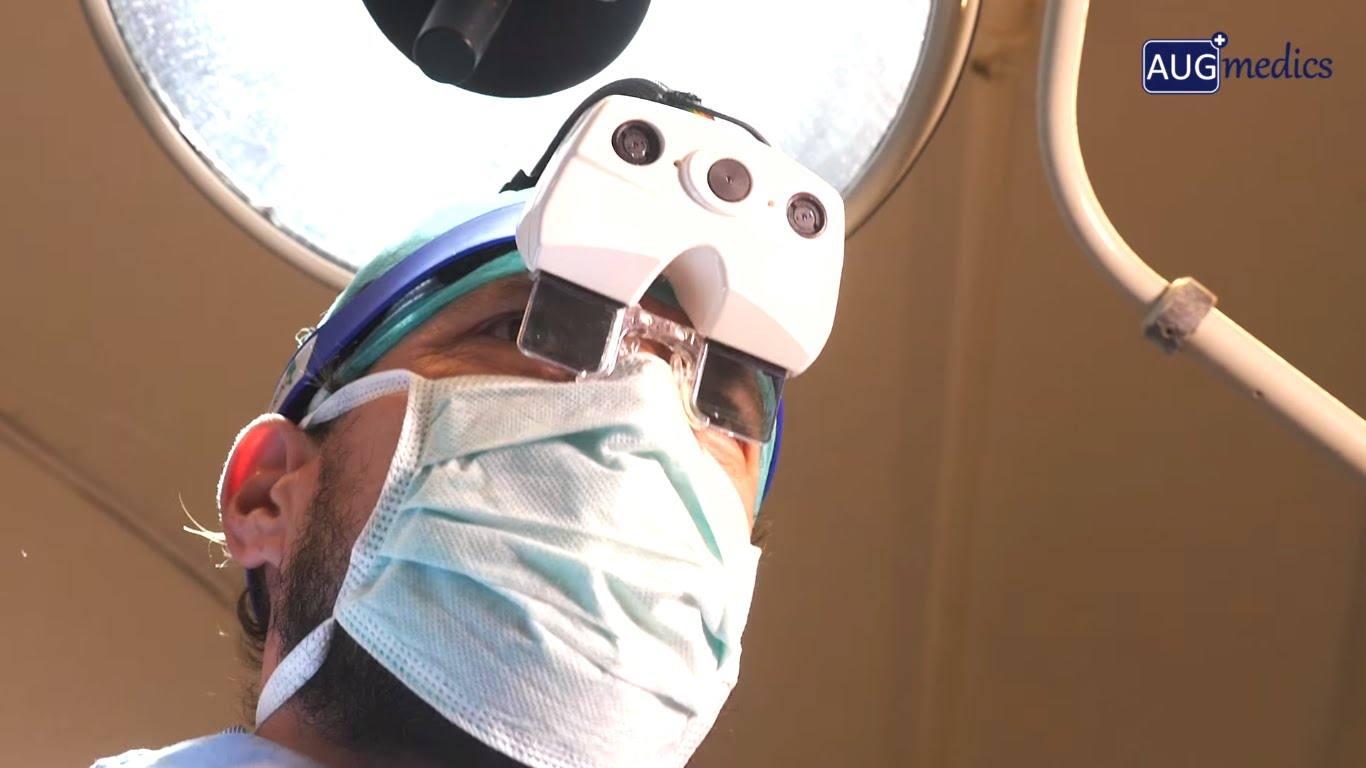 Augmedics, a Yokneam, Israel-based developer of an augmented-reality (AR) surgical visualization system has raised $8.3M in Series A funding led by AO Invest, Israeli Innovation Authority, Terra Venture Partners and other undisclosed investors. The company plans to utilize the latest round of funding accelerate research and development as well as pre-clinical and clinical trials of its ViZOR System. In addition, the company plans to establish strategic distribution partnerships, and seek 510(k) clearance for The ViZOR from the FDA.
The company’s ViZOR System is an augmented reality surgical visualization solution designed to allow surgeons to see inside a patient’s anatomy during complex procedures. First intended for use in minimally invasive spinal surgery, The ViZOR can help improve procedures by allowing surgeons to see the patient’s spine through skin and tissue, as if they had X-ray vision, eliminating some of the limitations of minimally invasive spine surgery.
In the future, the ViZOR System will leverage various sensors to collect big surgical data to process and analyze using deep learning algorithms. Ultimately, it will also make suggestions, provide alerts, and perform other surgical assistance during the procedure. The technology was designed to save time during surgery, reduce radiation exposure and reduce the number of unnecessary repeat operations and hospitalizations.
See the full story here: http://hitconsultant.net/2017/09/22/augmedics-series-a-funding/
Now you can watch the Mets lose with augmented reality
 The high-tech initiative, run in conjunction with MLB Advanced Media, will begin with each fan coming to Citi Field Monday through Wednesday getting a baseball card-sized AR card featuring images of the Mets’ iconic Home Run Apple.
Using their smartphone to scan this image through the “AR” button in the MLB’s Ballpark App will bring the Home Run Apple to life.
This AR animation will then segue into a highlight reel of Mets home runs from the 2017 season.
See the full story here: http://nypost.com/2017/09/22/now-you-can-watch-the-mets-lose-with-augmented-reality/
Botnets of Things
 The best defense would be for everything online to run only secure software, so botnets couldn’t be created in the first place. This isn’t going to happen anytime soon. Internet of things devices are not designed with security in mind and often have no way of being patched. The things that have become part of Mirai botnets, for example, will be vulnerable until their owners throw them away. Botnets will get larger and more powerful simply because the number of vulnerable devices will go up by orders of magnitude over the next few years.
Botnets are used to commit click fraud.
Similarly, botnets can be used to evade spam filters, which work partly by knowing which computers are sending millions of e-mails. They can speed up password guessing to break into online accounts, mine bitcoins, and do anything else that requires a large network of computers. This is why botnets are big businesses. Criminal organizations rent time on them.
But the botnet activities that most often make headlines are denial-of-service attacks. Political groups use them to silence websites they don’t like.
But overall, the trends favor the attacker. Expect more attacks like the one against Dyn in the coming year.
Bruce Schneier, chief technology officer at IBM Resilient, is the author of 13 books on cryptography and data security.
Photo courtesy Intel Intel Scraps Plans to Launch Project Alloy Reference Headset, Pursuing Other VR R&D
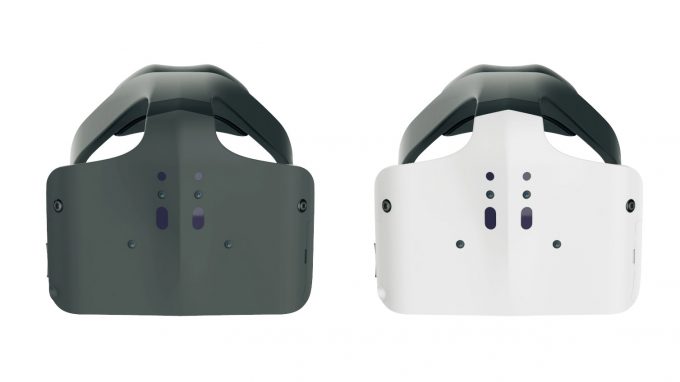 Intel is scrapping plans to launch the Project Alloy headset as an open reference design, citing lack of partner interest.
Intel has made the decision to wind down its Project Alloy reference design, however we will continue to invest in the development of technologies to power next-generation AR/VR experiences. This includes: Movidius for visual processing, Intel® RealSense™ depth sensing and six degrees of freedom (6DoF) solutions, and other enabling technologies including Intel® WiGig, Thunderbolt™, and Intel® Optane™. All of these Intel technology solutions are supported by a robust portfolio of software capabilities, and we’re building out a VR support ecosystem, from software design kits to reference designs, to spur innovation that’s enabling rich and immersive content. Project Alloy served as a great proof of concept for Intel and the industry – showing what’s possible in a high-performance, immersive and untethered VR experience. What we’ve learned through Project Alloy will inform future efforts.
Another complicating factor could be that a number of potential partners had already committed resources to building headsets based on Microsoft’s Windows VR reference design—major PC players Dell, HP, Lenovo, Acer, and Asus are all launching Windows VR headsets in Q4, the same timeframe in which Project Alloy was initially slated to launch as an open reference design.
Though they’re backing away from Project Alloy, Intel insists they’re full steam ahead on various VR and AR R&D, including the WiGig-based wireless VR system the company is working on with HTC, and other projects such as the proof-of-concept PC-to-phone streaming system that we saw recently. The company is also supporting VR content development and VR eSports initiatives.
Stunning ‘Field of Light’ Surrounds Iconic Australian Rock
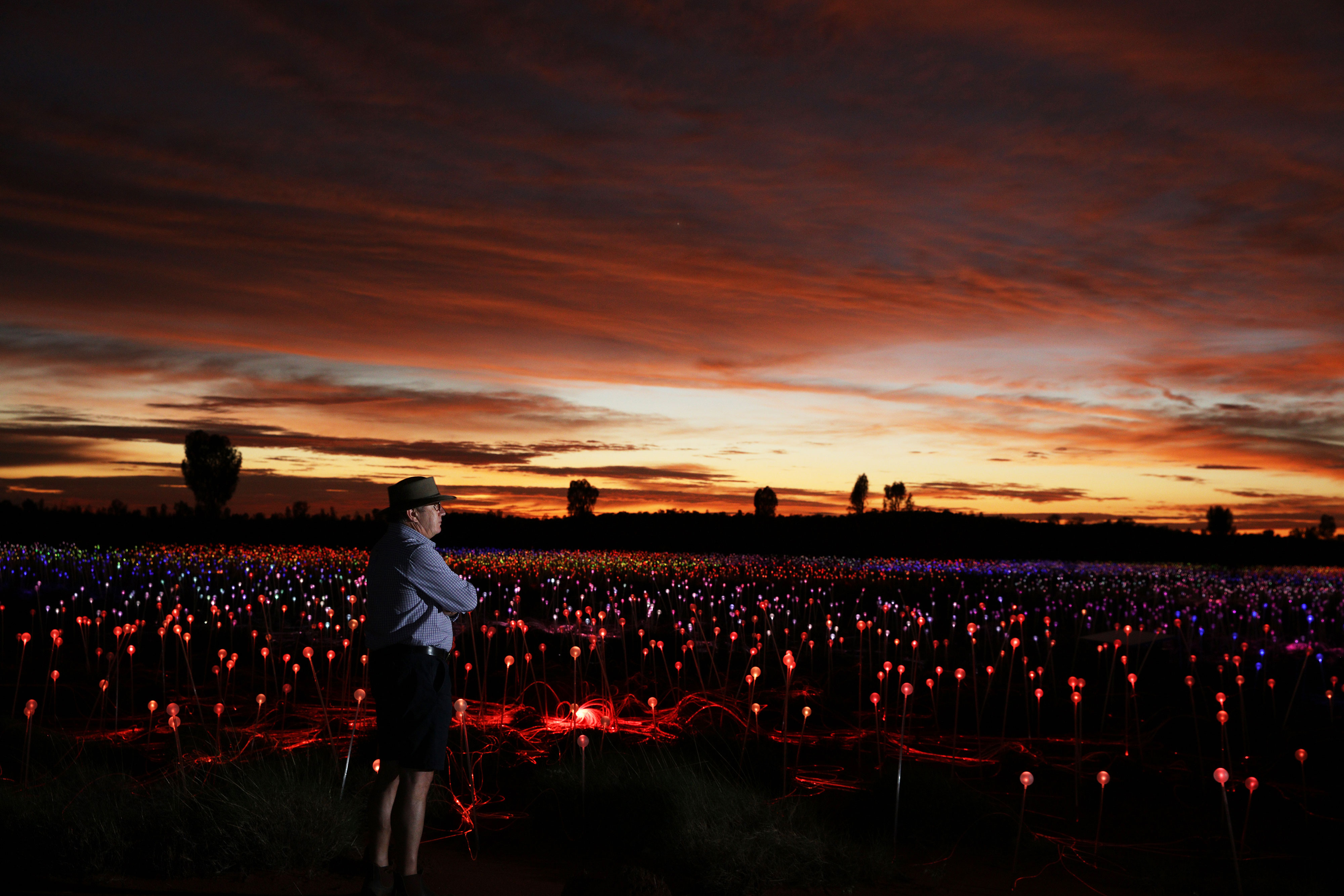

 If you visit Australia's iconic Uluru rock after dusk in the next few months, you'll see the iconic sandstone formation surrounded by a stunning "field of lights." The nighttime art installation, which is on view until March 31, 2018, is the work of Bruce Munro, reports Jim Byers of National Geographic, a British artist who has long used light to create large works that sparkle and shimmer around the world.
More than a decade later, Munro created the first forms of "Field of Light" in his backyard in Wiltshire, England. The installation then traveled to the United Kingdom and North America, evolving based on the physical landscape of each location. Fittingly, last March, the largest and most remote staging of "Field of Light" yet arrived in Australia, according to the Guardian.
The year-long installation near Uluru features more than 50,000 delicate glass stems topped with frosted glass spheres that coat acres of the desert floor, with lights inside them coming to life as the Sun sets.
More than just a beautiful piece of work, the installation is also environmentally friendly, Byers of National Geographic notes. The whole show runs on solar power, and the 236 miles of optical fiber that illuminate it will be recycled after the display ends in March.
See the full story here: http://www.smithsonianmag.com/smart-news/field-light-surrounds-iconic-australian-rock-180964906/
‘Holo’ Is a Dumb New Augmented Reality App That You Should Get
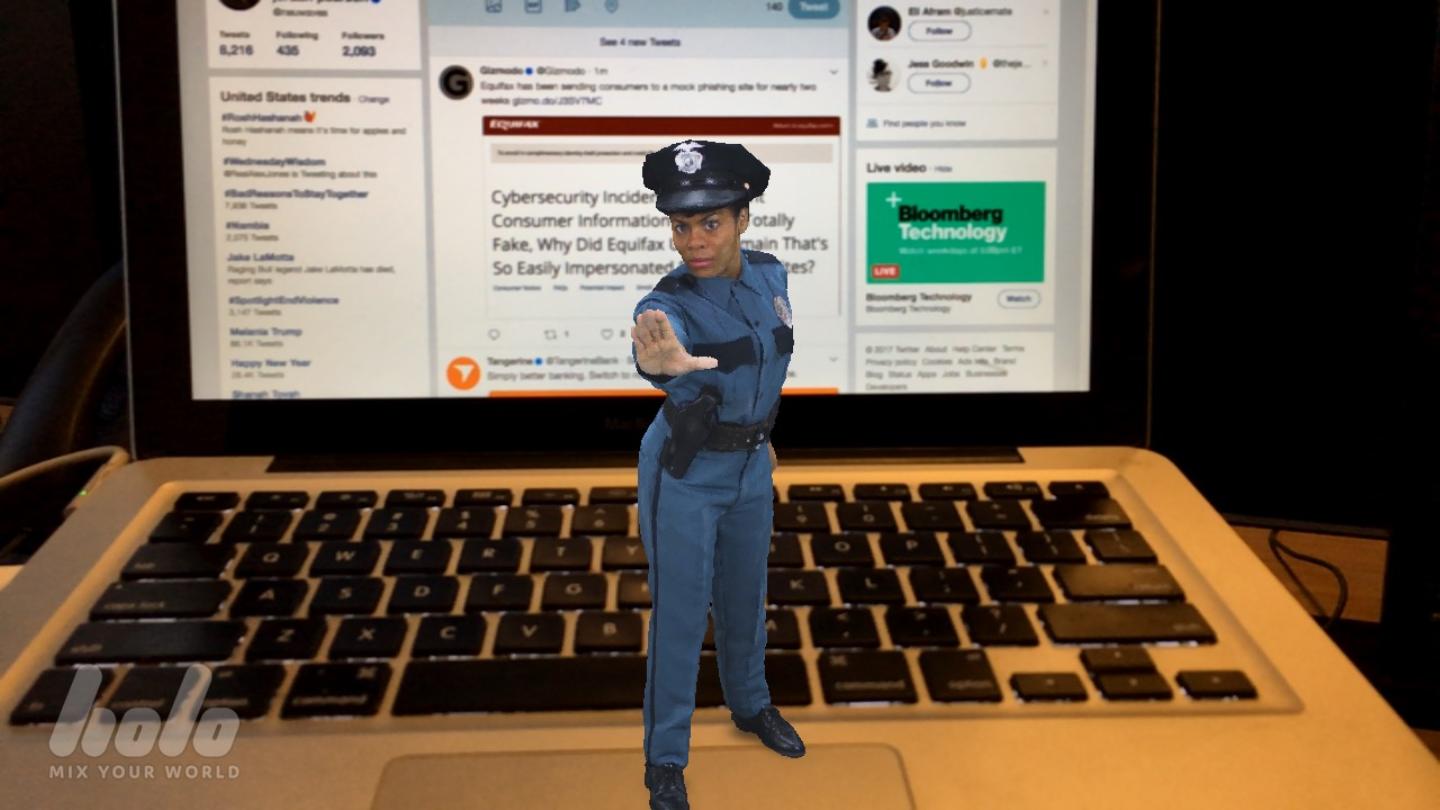 I should preface this "consumer tech" post by saying I generally do not give a shit about consumer tech. However, I love things that are A) dumb, and B) fun. If I can't explain why—even better.
That's why if you've downloaded the lastest version of Apple's iPhone operating system, iOS 11, there's really only one app that you need to enjoy its shiny new augmented reality features, and it is also the dumbest one. It's called Holo and it's a lot of fun if you don't care about using AR in an even remotely practical way. With Holo, you point your phone at whatever's in front of you and drop a little character in the frame. It might be a cop, or a soccer ref, or a guy who's fallen into a trash can, or Jon Hamm (yes there are a couple celebrity avatars, but they're the lamest part.)
You can then export the clips to serve up Twitter burns, or make dumb jokes, or whatever. I don't know, it's pretty self-explanatory. And it works properly, unlike other augmented reality apps that try to do practical things like measure objects in the real-world.
See the full story here: https://motherboard.vice.com/en_us/article/evpz3a/holo-is-a-dumb-new-augmented-reality-app-that-you-should-get
Stereographs Were the Original Virtual Reality
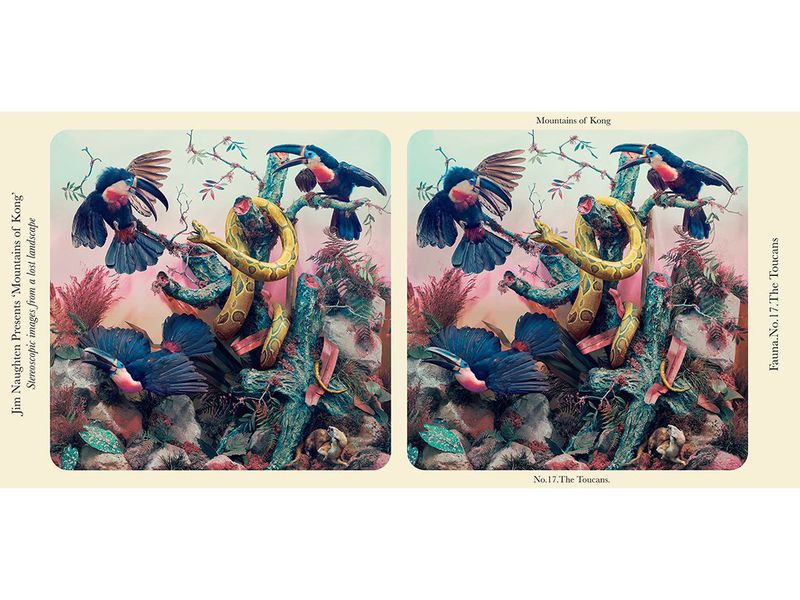 The shocking power of immersing oneself in another world was all the buzz once before—about 150 years ago.
In June 1838, the British scientist Charles Wheatstone published a paper describing a curious illusion he’d discovered. If you drew two pictures of something—say, a cube, or a tree—from two slightly different perspectives, and then viewed each one through a different eye, your brain would assemble them into a three-dimensional view. This was, he noted, precisely how our vision works; each eye sees a slightly different perspective. Wheatstone created a table-size device to demonstrate the effect, with a viewer that sent a unique image to each eye: the world’s first stereoscope.
A decade later, the scientist David Brewster refined the design, crafting a hand-held device you could raise to your eyes. Insert a card with stereo images —a “view”—and presto! A scene came alive. Better yet, the photograph had recently been invented, which meant Brewster’s stereoscope could display not just crude hand drawings, but vivid images captured from real life.
“All these inventions just dovetailed perfectly by mid-century,” notes Douglas Heil, a professor and author of The Art of Stereography.
See the full story here: http://www.smithsonianmag.com/innovation/sterographs-original-virtual-reality-180964771/
Leonardo DiCaprio Joins Virtual Reality Company MindMaze as Investor and Advisor

HOLLYWOOD, CA - FEBRUARY 28: Actor Leonardo DiCaprio attends the 88th Annual Academy Awards at Hollywood & Highland Center on February 28, 2016 in Hollywood, California. (Photo by Dan MacMedan/WireImage)
MindMaze focuses on bringing “next-generation mind-machine interactions through neuro-virtual and augmented reality technology,” according to statement from the company, which officially unveiled DiCaprio’s partnership on Friday.
“We are already seeing immense potential for the application of our technology outside of healthcare, specifically in entertainment, sports and social VR,” said Dr. Tej Tadi, CEO and founder of MindMaze. “As we continue to gain traction in these industries, the addition of Leo to our advisory board is a vote of confidence in our technology and road map for ushering in a new age of interaction between humans and machines.”
Not only does DiCaprio fit into the company’s plans to expand their presence in the entertainment space, the actor has a proven track record as an investor.
See the full story here: http://people.com/movies/leonardo-dicaprio-joins-virtual-reality-company-mindmaze-as-investor-and-advisor/
Mobile augmented reality startup Mira raises $1M for cheaper headsets
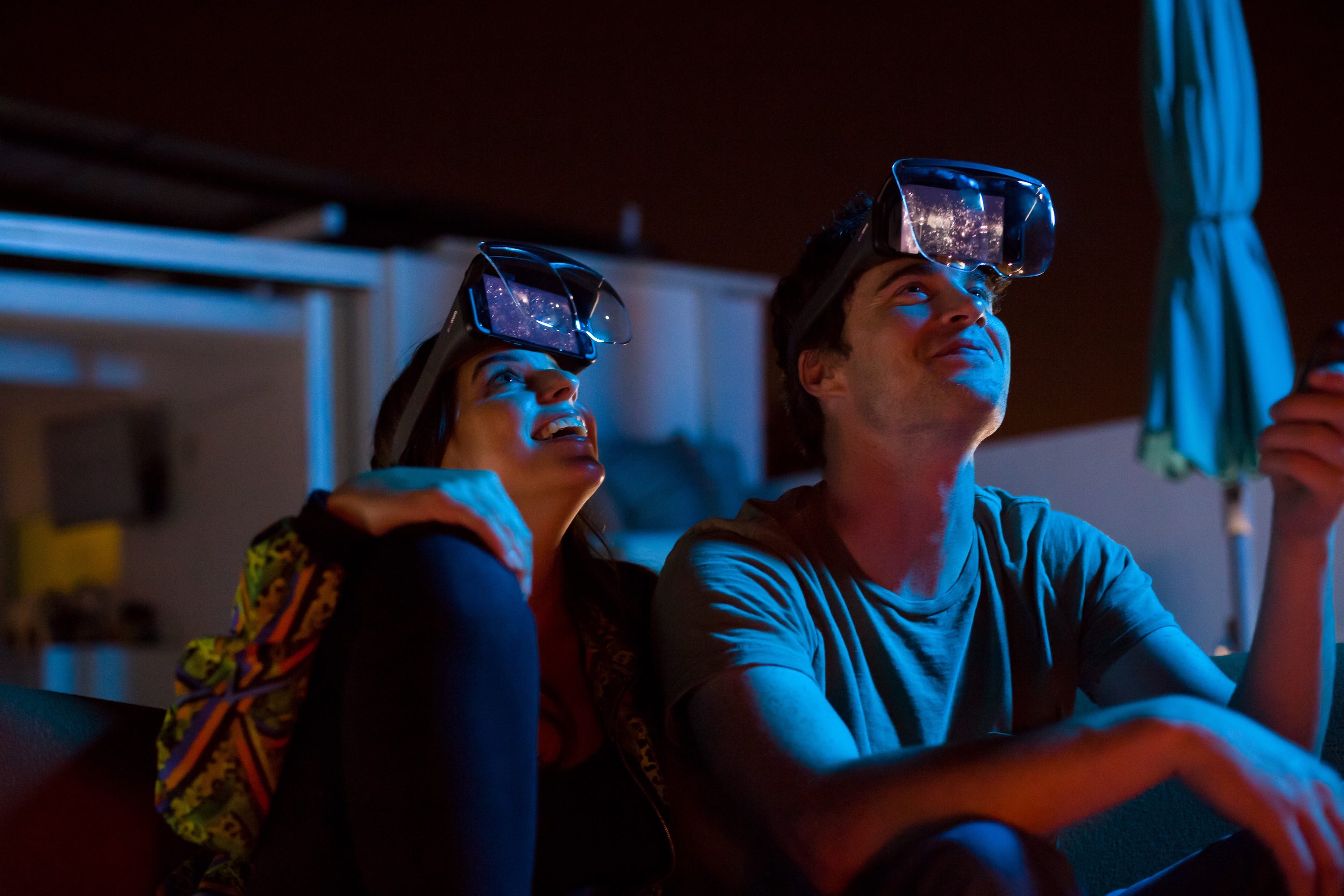 This funding round, led by led by Greylock Partners, Founders Fund Angel and Macro Ventures, brings Mira’s total funding raised to date to $2.5 million.
The company first made waves in the augmented reality ecosystem when it announced its affordable — with a price tag of $99 — AR headset called the Prism in July that would work with the iPhone.
The Mira Prism comes with its own remote control accessory using the Bluetooth Low Energy profile. The remote includes touchpad support, two programmable buttons and a mechanical trigger. Additional features, along with tips and best practices for getting started with Mira’s SDK can be found at mirareality.com/developers.
The Prism is currently compatible with iPhone 6, 6S, 7 and 8 with support for additional iPhone models and manufacturers coming soon.
See the full story here: https://siliconangle.com/blog/2017/09/21/mobile-augmented-reality-company-mira-raises-1m-funding/